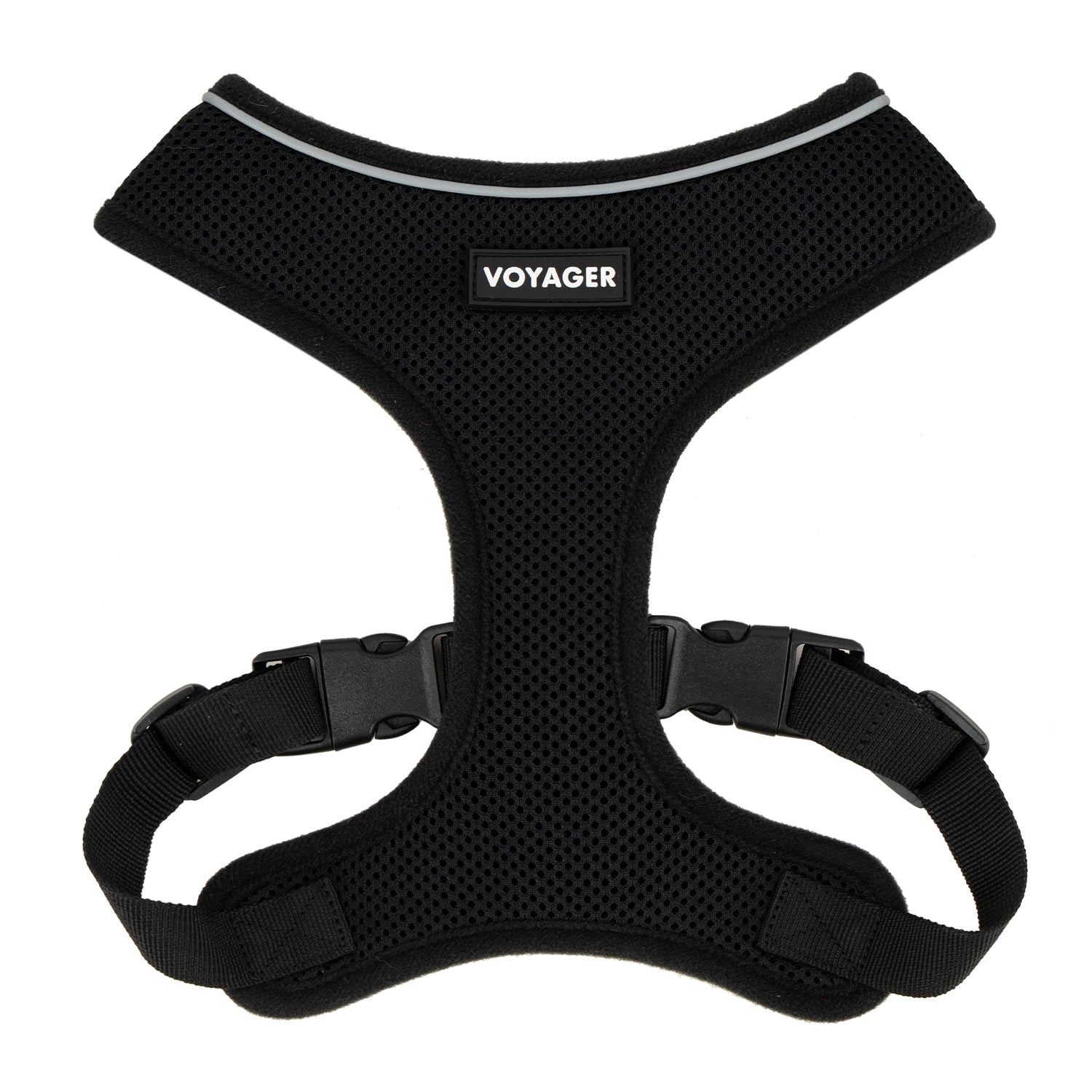
Why a Lightweight Dog Harness Feels More Comfortable on Walks
A lightweight dog harness often changes how a walk feels before you can really point to why. Instead of weight sitting in one spot or pulling awkwardly as your dog moves, things feel more balanced. Some dogs adjust right away. Others take a few walks, then suddenly seem less distracted by what they’re wearing.
On longer walks, that difference becomes easier to notice. Movement looks smoother, and handling doesn’t feel like work the entire time.
Essential Features of a Light Dog Harness
Light dog harnesses work best when they don’t try to do too much. Breathable fabric helps, especially once dogs warm up, but flexibility matters just as much. Too much padding can actually make a dog harness feel stiff instead of comfortable.
The small details usually matter later. Stitching, strap placement, and how clips sit tend to show their value after repeated use, not on the first walk out the door.
Why Many Owners Prefer Lightweight Dog Harnesses
Lightweight dog harnesses often solve little annoyances people didn’t realize they were dealing with. Less bulk means fewer spots that rub or shift, which matters more on dogs with short coats or sensitive skin.
Some dogs walk the same. Others loosen up a bit, especially if heavier gear made them hesitate before. It doesn’t change behavior on its own, but it removes one thing that can quietly get in the way.
Who Usually Does Best With a Lightweight Dog Harness
Lightweight harnesses tend to suit smaller dogs, puppies, and dogs that don’t pull constantly. They’re also a good option for older dogs that still enjoy walks but don’t need a rigid structure anymore.
Owners who walk longer distances or prefer gear that stays out of the way often end up here. If your dog seems aware of their harness the entire walk, lighter designs usually help.
The Different Types of Lightweight Dog Harnesses
Some lightweight dog harnesses rely on breathable mesh, while others use slim straps with minimal padding. You’ll also see step-in styles, vest-style designs, and options that fall somewhere in between.
The difference usually comes down to how much coverage feels right for your dog. Voyager’s lightweight dog harnesses are designed to stay supportive without becoming bulky or distracting once the walk gets going.
How People Usually Choose the Right Lightweight Dog Harness
Most people start with size, then realize activity level matters just as much. A calm walker may do fine in a very minimal harness. Dogs that change pace often tend to do better with a light structure that still stays put.
You usually notice fit once your dog starts walking, not when you first put the harness on. Some dogs move normally right away. Others pause, slow down, or do a quick shake like something feels off. Those reactions tell you more than the size label ever will.
Tips for Proper Sizing and Fit
Most owners measure at the widest part of the chest, just behind the front legs, and that’s a good place to start. The harness should sit close without pressing in. Two fingers under the straps is usually comfortable, though dogs vary more than charts suggest.
Even when the size is technically right, adjustments tend to happen later. Lightweight dog harnesses depend more on fit than padding, so small tweaks often make a bigger difference than expected.
Care and Maintenance for Lightweight Dog Harnesses
Lightweight dog harnesses don’t demand much, which is part of why people like them. A quick wipe after walks usually keeps dirt from building up, especially around straps and seams.
Deeper cleaning happens less often. Most owners don’t think about it until the fabric starts feeling different or the harness doesn’t flex the same way it used to.
Why Some Owners Stick With Voyager Lightweight Dog Harnesses
Voyager’s lightweight dog harnesses are made for regular use, not just short outings. Materials are chosen to stay breathable and flexible while still holding their shape after repeated walks.
There aren’t many extras layered on. The appeal is comfort that lasts, a consistent fit, and a harness that doesn’t need constant adjusting once it’s broken in.
FAQs
What makes a dog harness lightweight without sacrificing strength?
It usually comes down to construction more than appearance. Strong fabrics, reinforced stitching, and smart strap placement do more for durability than extra padding or bulk.
Can lightweight harnesses help reduce pulling?
Sometimes, but usually not dramatically. What tends to happen is that dogs feel less restricted, so they move with less resistance. For strong pullers, fit and training still matter more than weight alone.
Are lightweight harnesses good for puppies and sensitive dogs?
They often are. Puppies and sensitive dogs can react strongly to bulky gear early on. Lighter harnesses tend to feel less intrusive, which makes the adjustment period easier.
Can lightweight harnesses be used for running or hiking?
They can, depending on the dog. Dogs with steady leash manners usually do fine. More intense activity or sudden pulling often feels better with slightly reinforced designs.
Are lightweight dog harnesses comfortable enough for all-day wear?
They’re designed for walks and activity, not constant wear. Most dogs are more comfortable when harnesses are removed between outings.
Is a lightweight mesh harness better for hot weather?
In many cases, yes. Mesh allows more airflow and dries faster, which helps during warm walks. Fit still matters, especially when dogs move more in the heat.