Pug Harnesses Made for Easy, Comfortable Walks
For pugs, choosing the right harness is about more than style. Pugs are flat-faced, or brachycephalic, which means they can be more sensitive to neck pressure, heat, and breathing strain during walks. A well-fitted pug harness helps keep leash pressure away from the throat and spreads it across the chest and shoulders instead.
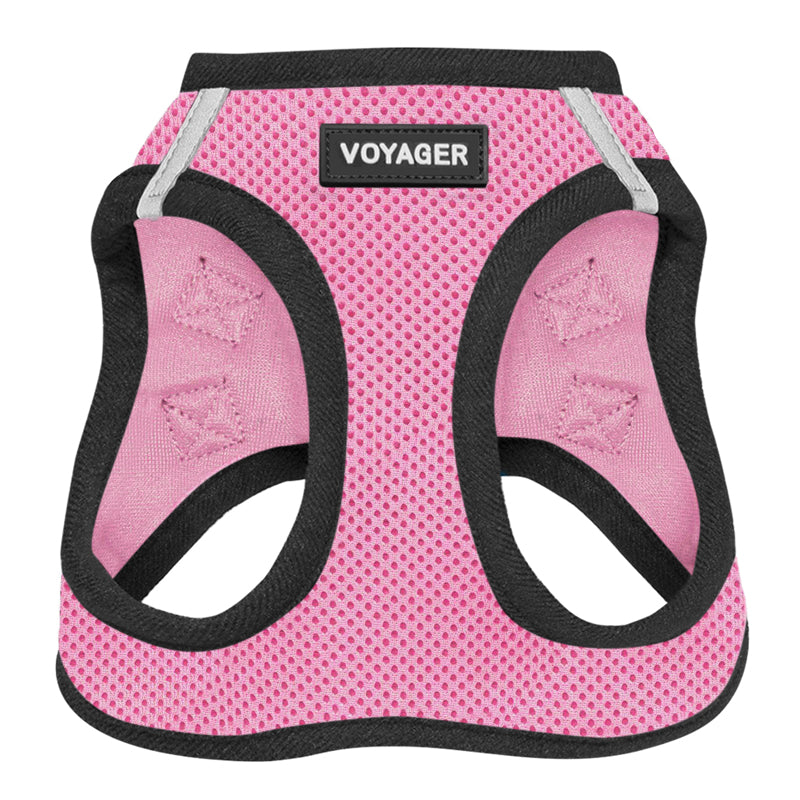
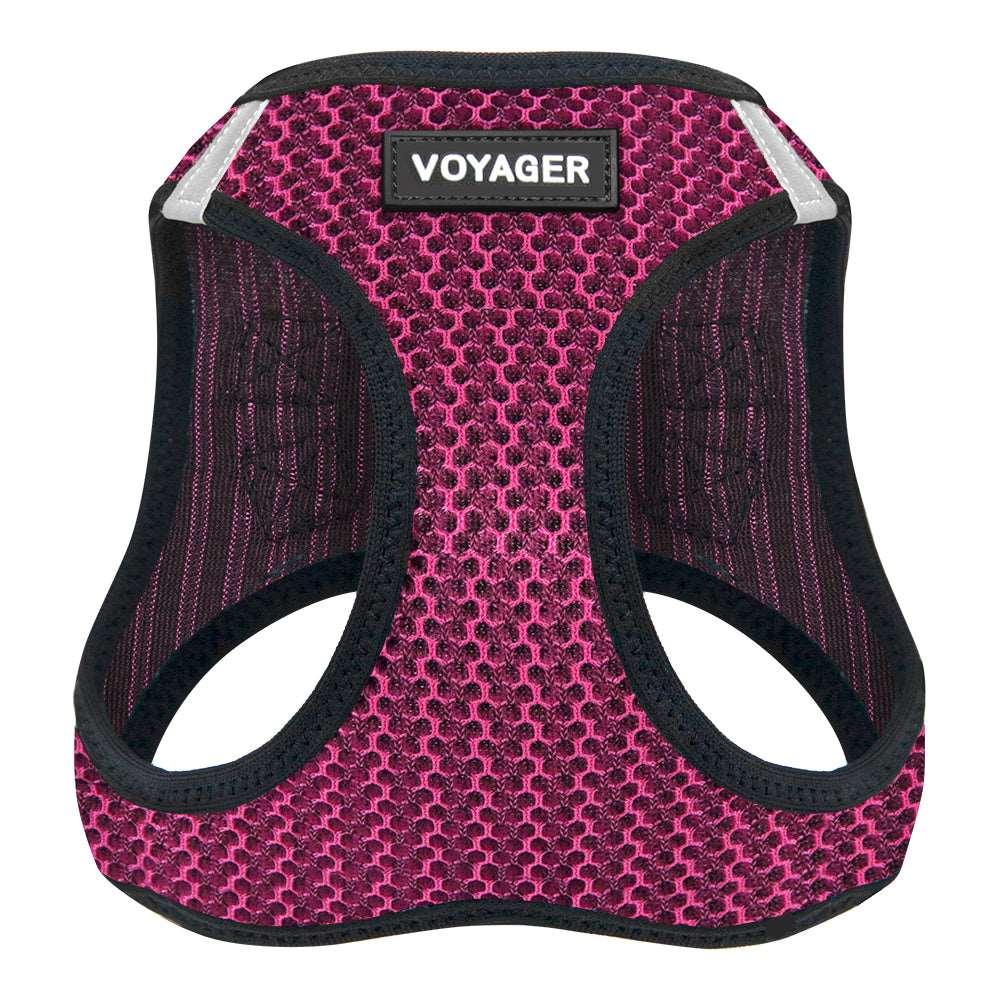
Voyager pug harnesses are designed for simple everyday use, with step-in styles that avoid over-the-head handling and help make walks easier for both pets and owners. From the breathable Step-In Air for warm-weather walks to the cozy Step-In Plush for cooler days, Voyager offers pug-friendly options built for comfort, security, and daily routines.
As the harness brand under Best Pet Supplies, Voyager has become a trusted choice for everyday walks and is an Amazon Best Seller with 87,000+ 5-star reviews across its harnesses.
Why Pugs Need a Harness, Not a Collar
A collar can still be useful for ID tags, but for walks, a harness is usually the better choice for pugs. Their short muzzle and compact build make neck pressure more uncomfortable than it may be for longer-nosed breeds.
A pug harness helps with:
-
Breathing comfort — A harness keeps leash pressure away from the throat and windpipe, which is important for flat-faced breeds.
-
Reduced neck strain — Instead of pulling against the collar area, leash pressure is spread across the chest and shoulders.
-
Better escape control — Pugs can be surprisingly good at backing out of collars or loose harnesses, especially when they get excited.
-
Heat management — Lightweight mesh harnesses can help avoid adding unnecessary bulk during warm-weather walks.
-
Everyday confidence — A secure step-in fit gives pet parents more control without needing a complicated harness with too many straps and buckles.
The Pug Harness Fit Problem
Pugs can be tricky to fit because their bodies are not shaped like many other small dogs. They often have broad barrel chests, compact necks, and skin folds that can rub if the harness sits incorrectly.
Three things matter most when fitting a pug harness:
-
Chest girth matters more than weight
Pugs can be heavier through the chest than other dogs of similar size, so weight-based sizing can be misleading. Measure around the widest part of the rib cage, just behind the front legs.
-
The harness should sit securely behind the shoulders
A loose harness can slide forward when a pug pulls backward. After putting the harness on, gently test the fit by applying light backward leash pressure. If the harness shifts toward the head, tighten the fit or check the next size down.
-
Watch the skin-fold and underarm areas
Pugs can be sensitive around the neck, chest, and underarms. After walks, check for redness, warm spots, rubbing, or trapped moisture. A soft or plush-lined option may be better for pugs with sensitive skin.
For most adult pugs, the right fit often falls in small or medium Voyager sizing depending on the harness line. Always check the size chart for the specific product before ordering.
Brachycephalic Safety: Heat, Breathing, and What to Watch For
Because pugs are brachycephalic, they can overheat faster than some other breeds and may have more difficulty cooling down through panting. The right harness can support safer walks, but it should still be paired with careful walking habits.
For safer pug walks:
-
Choose breathable mesh in warm weather
The Voyager Step-In Air is a lightweight option for everyday walks and warmer climates.
-
Use warmer styles only when the weather calls for it
The Step-In Plush can be helpful in cooler weather, but it may feel too warm for hot days.
-
Walk during cooler hours
Early morning or evening walks are usually better than midday walks in warm weather.
-
Watch your pug’s breathing
If your pug starts slowing down, breathing loudly, gagging, or acting unusually tired, stop and rest.
-
Check skin contact areas after walks
Look around the armpits, chest, and neck folds for redness or moisture buildup.
If your pug shows ongoing noisy breathing, gagging, fainting, or extreme exercise intolerance, check with your vet. A harness can help reduce neck pressure, but it cannot replace medical care when breathing issues are present.
Featured Pug Harnesses from Voyager
Different pugs need different harness styles depending on weather, sensitivity, fit, and escape behavior.
|
Harness
|
Best For
|
Key Feature
|
When to Choose
|
|
Voyager Step-In Air
|
Warm weather and everyday walks
|
Lightweight breathable mesh
|
Choose this as the default everyday pug harness, especially in warmer climates.
|
|
Voyager Step-In Plush
|
Cooler weather and sensitive skin
|
Soft plush lining and quilted feel
|
Choose this when your pug needs extra softness or warmth.
|
|
Voyager Step-In Lock
|
Pugs that wiggle or try to back out
|
Secure step-in structure with a padded shape
|
Choose this if your pug has slipped out of other harnesses.
|
|
Voyager Step-In Flex Adjustable
|
Hard-to-fit pugs
|
Adjustable chest and neck straps
|
Choose this if your pug is between sizes or has unusual chest-to-neck proportions.
|
Most Voyager pug-sized harnesses also come in multiple color options, including classic and bright shades, so pet parents can choose a style that fits their dog’s look without compromising comfort.
Customer Review: Voyager Harness for Pugs
For pug parents who want a harness that feels secure without extra straps, buckles, or complicated adjustments, Voyager’s step-in design offers an easy everyday option. One Voyager customer shared:
“Our new Voyager harness is perfect and exactly what we were looking for in a harness for our pug. We did not need to stop pulling, we weren’t hiking in the wilderness, and we did not like all the straps and buckles that come with so many harnesses. The Voyager is super easy to get on — just step in, snap, and go. It looks great and keeps him just a little bit safer. No more trying to slip out of the collar when he sees his best friend, a squirrel, or wants to chase a bike. The Voyager is comfortable, breathable, good-looking, and offers that little bit of extra safety and security that is often needed. Highly recommend.”
— Libby, Voyager Site Review
This review speaks directly to what many pug owners need most: a breathable, simple-to-use harness that helps reduce collar slip-outs without feeling bulky or overbuilt for everyday walks.
How to Choose the Right Voyager Harness for Your Pug
Start with your pug’s daily routine, then match the harness style to the need.
Choose the Step-In Air if your pug needs a lightweight everyday harness for neighborhood walks, warmer weather, or quick outings.
Choose the Step-In Plush if your pug needs something softer against the body, especially in cooler weather or if they are sensitive around the chest and underarms.
Choose the Step-In Lock if your pug has backed out of other harnesses or needs a more secure step-in structure.
Choose the Step-In Flex Adjustable if your pug is between sizes or has a body shape that makes standard harness sizing harder.
No matter which style you choose, the fit should be snug but comfortable. You should be able to fit two stacked fingers between the harness and your pug’s body.
Cleaning and Care Tips for Pug Harnesses
Pug harnesses need regular cleaning because moisture, dirt, and skin oils can build up around the chest and underarm areas.
-
After walks: Wipe the harness with a damp cloth, especially where it touches the chest, armpits, and neck folds.
-
Deep clean every 1–2 weeks: Hand wash with mild detergent, or use a delicate cycle in a mesh laundry bag if the care label allows it. Do not use bleach.
-
Air dry fully: Never put a damp harness back on your pug. Trapped moisture can cause rubbing and skin irritation.
If your pug walks more than once a day, consider rotating between two harnesses so each one has time to dry completely.
FAQs
What kind of harness is best for pugs?
For most pugs, a step-in harness with a secure chest fit is the best starting point. The Voyager Step-In Air is a lightweight everyday option, while the Step-In Plush is better for cooler weather or sensitive skin.
Should pugs wear a collar or harness?
Pugs can wear collars for ID tags, but a harness is better for leash walks. A harness keeps pressure away from the neck and spreads it across the chest and shoulders.
Why do pugs back out of their harness?
Pugs often have broad chests and compact necks, so a loose harness can slide forward when they pull backward. Choose a snug step-in harness and test the fit with gentle backward leash pressure before walking.
What size harness does a pug need?
Size your pug by chest girth, not weight. Measure around the widest part of the rib cage just behind the front legs, then compare that number with the size chart for the specific Voyager harness style.
Can pugs walk in hot weather with a harness?
Yes, but with caution. Use a lightweight breathable harness like the Voyager Step-In Air, walk during cooler hours, bring water, and stop immediately if your pug shows signs of overheating or breathing difficulty.
What material is best for a pug harness?
Breathable mesh works well for warm weather and everyday walks, while plush-lined harnesses may be better for cooler weather or sensitive skin. Voyager offers both options through the Step-In Air and Step-In Plush lines.
Is a Voyager harness good for pugs that dislike over-the-head harnesses?
Yes. Voyager step-in harnesses let your pug place their front paws into the harness before it clips at the back, so nothing needs to be pulled over the head.
Is the Voyager Step-In Air good for pugs?
Yes, the Voyager Step-In Air is a strong everyday option for many pugs because it is lightweight, breathable, and easy to put on. It is especially useful for warm-weather walks and simple daily routines.
Is the Step-In Plush better for pugs with sensitive skin?
The Step-In Plush may be a better choice for pugs that need a softer feel against the body. Its plush lining can be more comfortable in cooler weather or for pugs that are sensitive around the chest and underarms.
How do I know if my pug’s harness fits correctly?
The harness should sit snugly without pinching, and you should be able to fit two stacked fingers between the harness and your pug’s body. If it slides toward the head when your pug pulls backward, it is too loose.