Puppy Harnesses for Safe, Comfortable First Walks
A puppy harness helps distribute leash pressure across the chest and shoulders instead of focusing it around the neck, making it a smart choice for first walks, early training, and everyday puppy routines. Most puppies can begin getting used to a lightweight harness around 8 weeks old, starting with short indoor sessions before moving into outdoor walks once your vet clears them for public spaces.
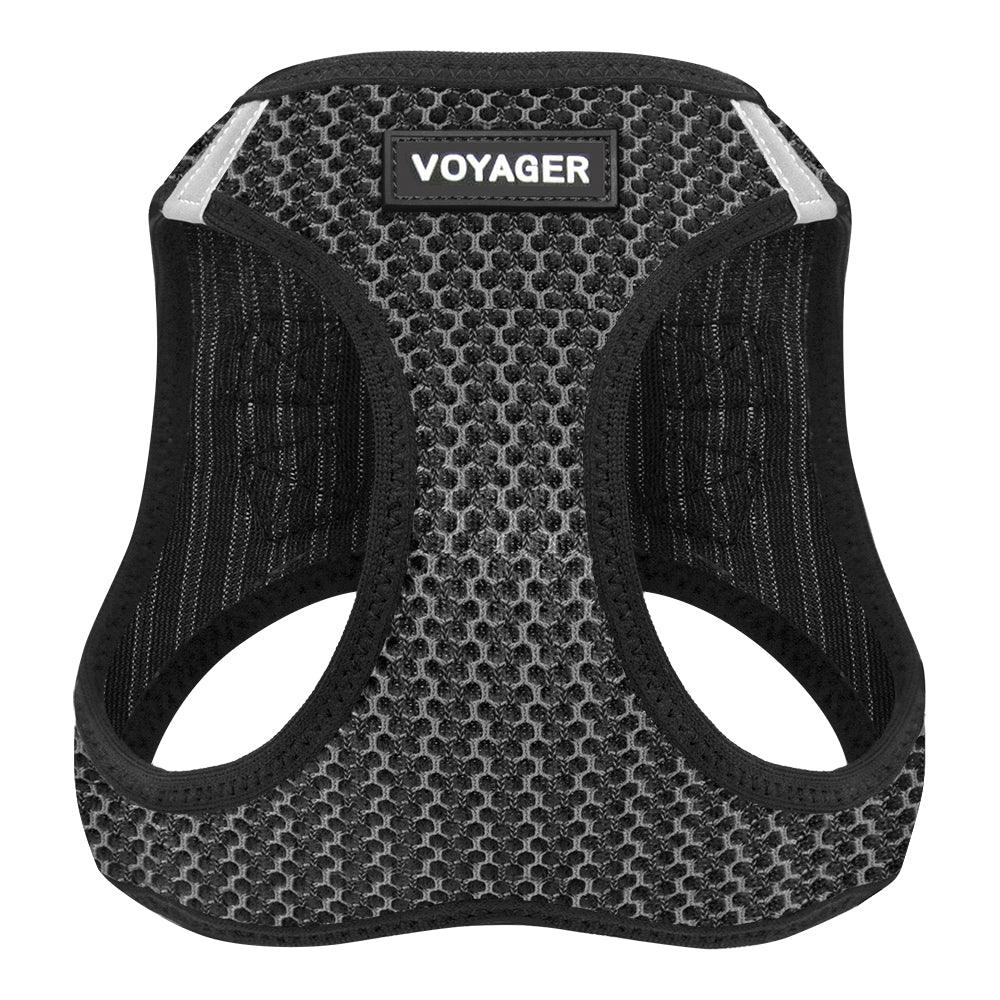
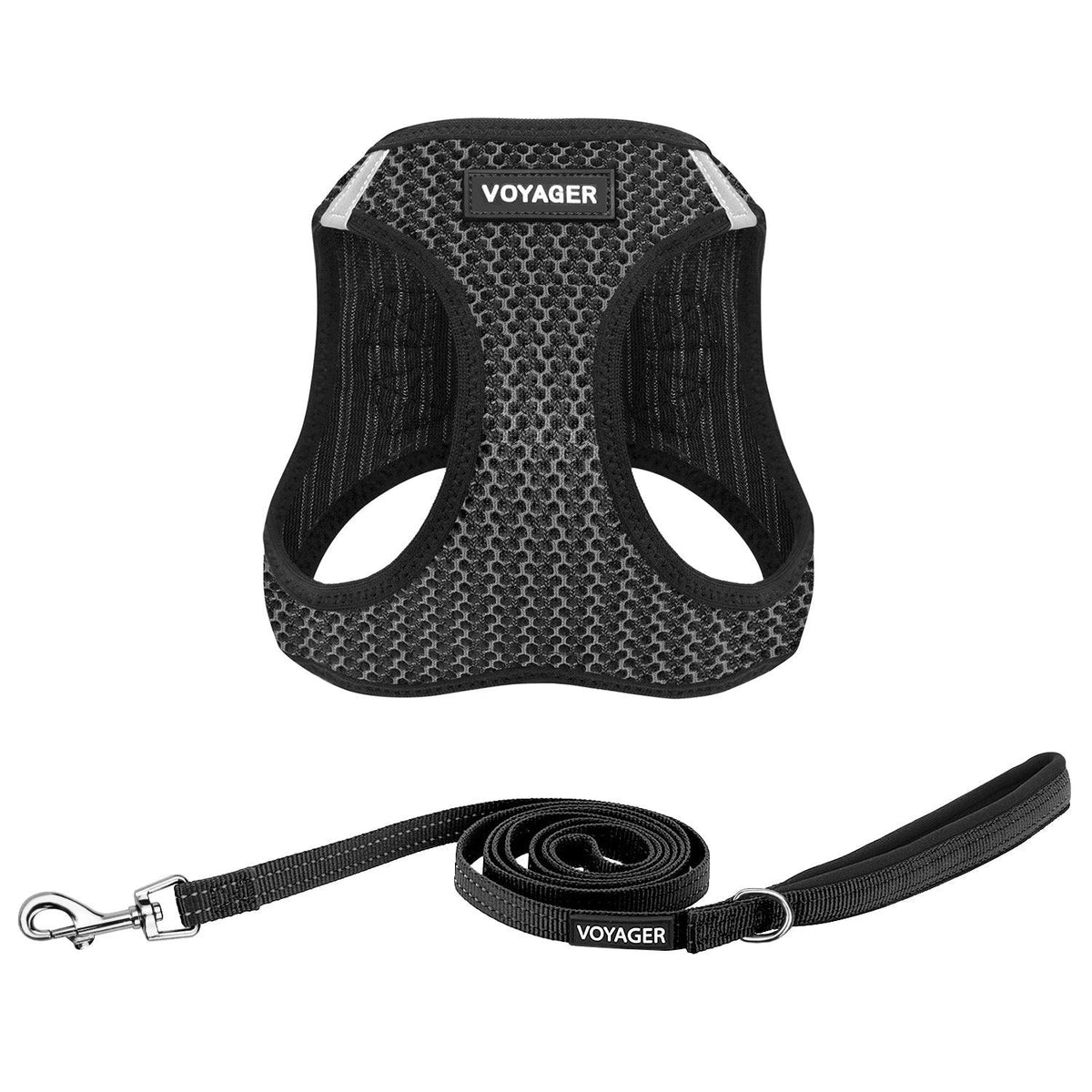
Voyager puppy harnesses are designed for easy wear, secure fit, and daily comfort, with step-in styles that avoid over-the-head handling. From the Step-In Air to the Step-In Flex Adjustable, Voyager offers puppy-friendly options for small breeds, growing puppies, and first-time pet parents looking for dependable walking gear.
As the harness brand under Best Pet Supplies, Voyager has become a trusted choice for everyday walks, with Amazon Best Seller recognition and 87,000+ 5-star reviews across its harnesses.
Benefits of a Puppy Harness
A dog harness for puppy training should do more than look cute. It should help your puppy feel secure while giving you better control during early walks.
-
Gentler pressure distribution — A harness moves leash pressure away from the neck and spreads it across the chest and shoulders.
-
Reduced escape risk — A properly fitted puppy harness wraps around the body, making it harder for a puppy to slip out compared with a loose collar.
-
Better control during socialization — Puppies get excited, distracted, and curious fast. A harness gives you more support while they learn how to walk calmly.
-
Easier leash training — Back-clip harnesses are great for everyday walks, while front-clip or dual-attachment harnesses can help redirect puppies that start pulling.
-
Less handling stress — Step-in harnesses are helpful for puppies that do not like gear being pulled over their head.
When Can a Puppy Start Wearing a Harness?
Most puppies can start wearing a harness around 8 weeks old, beginning with very short indoor sessions. At first, let your puppy sniff the harness, step into it, and wear it for 1–2 minutes at a time with treats and praise.
A simple timeline:
|
Puppy Age
|
Harness Use
|
|
8–10 weeks
|
Short indoor wear sessions with a lightweight harness
|
|
10–12 weeks
|
Indoor leash practice from room to room
|
|
12–16 weeks
|
Short outdoor walks once your vet clears your puppy for public areas
|
|
4–6 months
|
More regular walks with consistent harness use
|
Collars are useful for ID tags, but for walking or leash work, a harness is usually the better choice because it avoids direct pulling pressure on the neck.
Harness vs. Collar for Puppies
For walking, training, and leash work, a harness is usually better than a collar for puppies. A collar sits around the neck, while a harness spreads pressure across the puppy’s chest and shoulders.
|
Gear
|
Best Use Case
|
Safety Note
|
Voyager Equivalent
|
|
Standard flat collar
|
ID tags and supervised wear
|
Not ideal as the main leash attachment for puppies that pull
|
N/A
|
|
Step-in harness
|
Daily walks, leash training, socialization
|
Distributes pressure across the chest and avoids over-the-head handling
|
Voyager Step-In Air / Step-In Flex
|
|
Front-clip or dual-attachment harness
|
Puppies that have started pulling
|
Helps redirect leash pressure during training
|
Voyager Dual-Attachment Dog Harness
|
Small and toy breeds, including Pomeranians, Chihuahuas, Yorkies, Maltese, and toy Poodles, often benefit from harness-based walking because their necks can be more delicate. Flat-faced breeds like Pugs and French Bulldogs may also be better suited to harnesses for leash work.
Types of Puppy Harnesses in the Voyager Range
Every puppy has different needs. Some need a lightweight first harness, some need more adjustability as they grow, and some need extra security because they wiggle out of everything.
|
Harness Type
|
How It Works
|
Best For
|
Voyager Product
|
|
Step-In Mesh Harness
|
Puppy steps in, harness clips at the back
|
First-time puppy owners, warm weather, daily walks
|
Voyager Step-In Air
|
|
Step-In Adjustable Harness
|
Step-in design with adjustable chest and neck straps
|
Growing puppies and owners who want a more flexible fit
|
Voyager Step-In Flex Adjustable
|
|
Step-In Lock Harness
|
Step-in design with a secure closure and padded shape
|
Wiggly puppies or dogs that need a more secure fit
|
Voyager Step-In Lock
|
|
Plush Step-In Harness
|
Quilted fabric with soft plush lining
|
Cooler weather, thin-coated breeds, sensitive skin
|
Voyager Step-In Plush
|
|
Multi-Layer Premium Harness
|
Layered construction for comfort and support
|
Pet parents prioritizing comfort for longer wear
|
Voyager AeroLite
|
|
Dual-Attachment Harness
|
Front and back leash clip options
|
Puppies learning leash manners or starting to pull
|
Voyager Dual-Attachment Dog Harness
|
Most Voyager step-in harnesses also come in a wide range of colors, so pet parents can choose a practical fit without giving up style.
Customer Review: Step-In Air Harness & Leash Set
For puppies that slip out of other harnesses, a secure step-in fit can make a big difference. One Voyager customer shared:
“The harness fits our Pom puppy perfectly. It is easy to get on and off, and it stays on without her being able to get her front legs out or get the harness into her mouth. This is the fifth harness we have purchased for her — so glad this one works! The matching leash is nice, too, with a comfy pad around the handle and a loop for poop bags. I like the two sturdy rings on the back of the harness that keep the leash above her as she madly charges around in her puppy glee!”
— Lisa, Step-In Air Harness & Leash Set with Matching Trim
This review supports the Step-In Air as a strong first puppy harness for small breeds, especially for pet parents who want something easy to put on, secure during movement, and available as a matching leash set.
What to Look For in a Puppy Harness
When choosing a puppy harness, focus on fit, comfort, and adjustability first.
-
Adjustability
Puppies grow quickly, so adjustable straps help extend the life of the harness and improve fit as your puppy changes shape. The Voyager Step-In Flex Adjustable is a strong option for growing puppies.
-
A secure chest fit
The harness should sit snugly around the chest without pinching. A secure chest fit helps prevent slipping, backing out, and front-leg escape.
-
The two-finger fit rule
You should be able to fit two stacked fingers between the harness and your puppy’s body. A whole hand means it is too loose; no space means it is too tight.
-
Soft, chafe-resistant materials
Puppies have sensitive skin, especially around the underarms. Look for breathable mesh, soft lining, and finished edges that reduce rubbing.
-
Step-in design
Many puppies resist anything going over their head. Step-in designs let your puppy place their front paws into the harness before it clips at the back.
-
Visibility details
Reflective elements can help make dawn, dusk, and low-light walks easier to manage.
Featured Puppy Harness: Voyager Step-In Flex Adjustable Harness
The Voyager Step-In Flex Adjustable Harness is a strong everyday pick for growing puppies because it offers a flexible fit around the chest and neck. This makes it helpful for puppies that are still growing or for pet parents who want more room to adjust as their puppy’s body changes.
The step-in design avoids over-the-head handling, which can make the first harness experience less stressful. Its breathable construction also works well for daily walks, indoor leash practice, and early socialization routines.
Best for: first-time puppy owners, growing puppies, small-to-medium breeds, and pet parents who want an adjustable step-in harness.
Less ideal for: cooler-weather walks, escape-prone puppies, or puppies that already pull heavily. For those needs, consider the Step-In Plush, Step-In Lock, or Dual-Attachment Dog Harness.
Customer Review: Dual-Attachment Dog Harness
For puppies that move fast or need more control, the Dual-Attachment Dog Harness can be helpful during training. One Voyager customer shared:
“Love this! I have an Australian Cattle Dog puppy, 11 weeks, and though she will be a hefty 45 lbs when fully grown, right now she isn’t even 10 lbs. I’ve had a hard time finding a harness that will properly fit her. I stumbled on Voyager and got the XS, and it fits great with room to grow before we have to size up. I love the back clip and handle — it’s great for a fast-moving puppy!”
— Jennifer, Dual-Attachment Dog Harness
This review is useful for puppy buyers because it speaks directly to fit challenges, room to grow, and the need for extra control with active puppies.
How to Put a Harness on Your Puppy
Voyager puppy harnesses use a step-in design, so your puppy does not need anything pulled over their head.
-
Lay the harness flat on the floor with the D-ring facing up.
-
Guide your puppy’s front paws into the two leg openings. Use a treat if needed.
-
Lift both sides of the harness up around your puppy’s body.
-
Clip the harness together at the back.
-
Adjust the straps using the two-finger fit rule.
Let your puppy wear the harness indoors for short sessions before your first outdoor walk. If your puppy resists, do not force it. Leave the harness near their bed or food bowl for a day or two, then try again with treats and praise.
Cleaning Tips for Puppy Harnesses
Puppies love messy walks, so regular cleaning helps keep their harness comfortable.
-
After muddy walks: Wipe straps, buckles, D-rings, and reflective areas with a damp cloth.
-
Deep clean: Hand wash with mild detergent, or use a delicate cycle in a mesh laundry bag if the care label allows it. Do not use bleach.
-
Dry fully: Always air dry before the next use. Avoid machine drying because heat can damage buckles, stitching, elastic, and reflective details.
Plush-lined harnesses may need more drying time than mesh styles, so leave them open in a well-ventilated area.
FAQs
How do I choose the right size harness for my puppy?
Measure the widest part of your puppy’s chest, just behind the front legs, then compare it with the Voyager size chart for the specific harness style. Use the two-finger fit rule after the harness is on.
Can I use a harness for puppy training?
Yes. A step-in harness like the Voyager Step-In Flex Adjustable works well for everyday leash training, while the Voyager Dual-Attachment Dog Harness may help puppies that have started pulling.
When should I replace my puppy’s harness?
Replace the harness when your puppy outgrows the largest adjustment, when stitching frays around stress points, when reflective details wear down, or when buckles no longer close securely.
Can I leave a harness on my puppy all day?
No. Remove the harness when your puppy is indoors and unsupervised. Continuous wear can cause rubbing, matting, or snagging on furniture or crate bars.
What materials are Voyager puppy harnesses made from?
Voyager puppy harnesses include breathable air mesh, plush-lined quilted styles, adjustable step-in designs, and multi-layer options like AeroLite. The best material depends on your puppy’s coat type, climate, and walking routine.
At what age should a puppy wear a harness?
Most puppies can start getting used to a harness around 8 weeks old with short indoor sessions. Outdoor walks should follow your vet’s guidance, especially around vaccination timing.
What type of harness is best for a puppy?
For most first-time puppy owners, a step-in adjustable harness like the Voyager Step-In Flex Adjustable is a strong starting point because it is easy to put on and adjusts as your puppy grows.
Should a 9-week-old puppy wear a collar or harness?
A 9-week-old puppy can wear a collar for ID tags, but a harness is usually better for leash work because it avoids direct pressure on the neck.
What dog harness do vets recommend for puppies?
Many vets recommend a well-fitted harness that does not restrict shoulder movement and allows safe leash control. For Voyager, start with the Step-In Flex Adjustable for everyday use or the Dual-Attachment Dog Harness for added leash control.
Does my puppy need a tactical puppy harness?
Most puppies do not need a tactical puppy harness for everyday walks. A lightweight, comfortable puppy harness is usually better for early leash training, socialization, and daily wear.