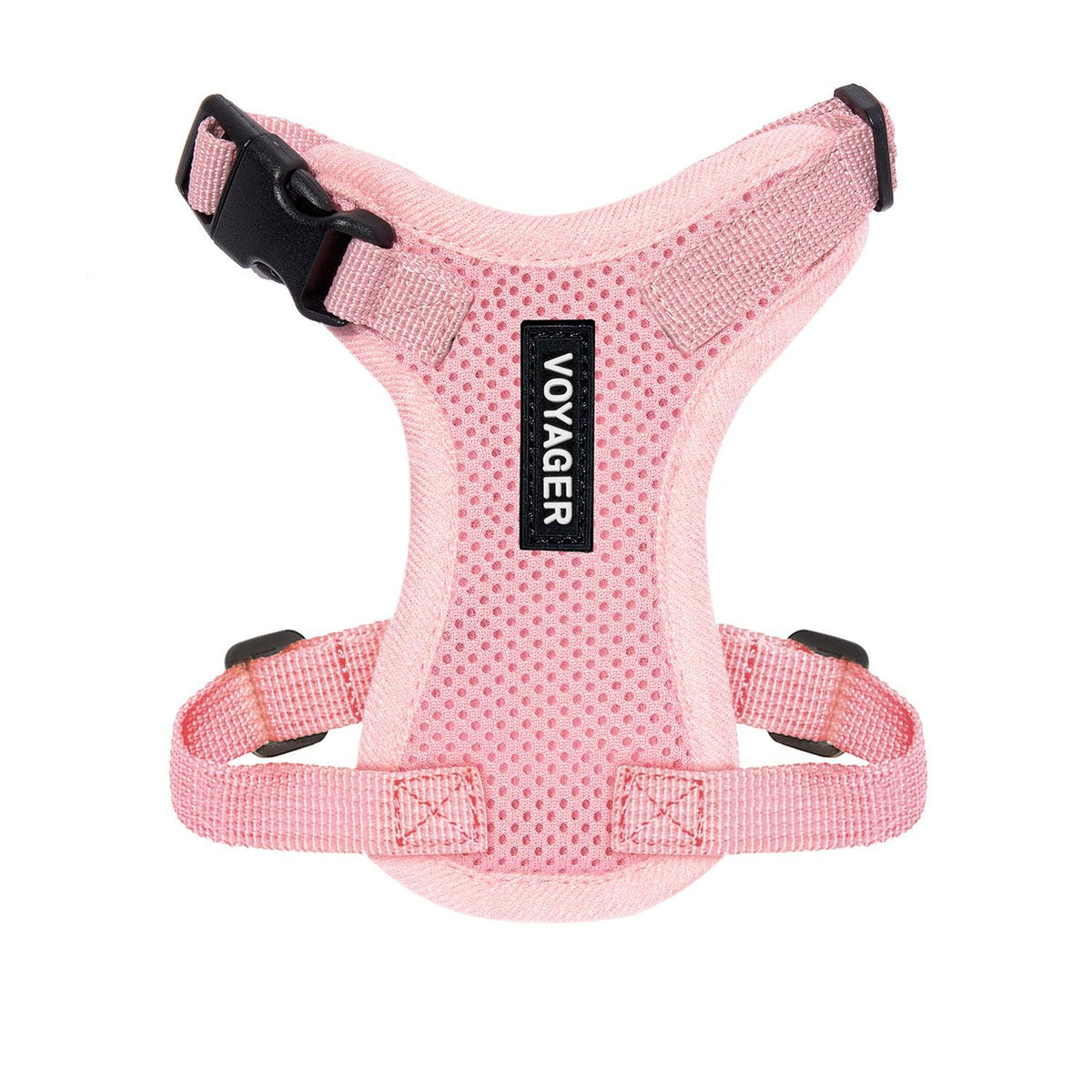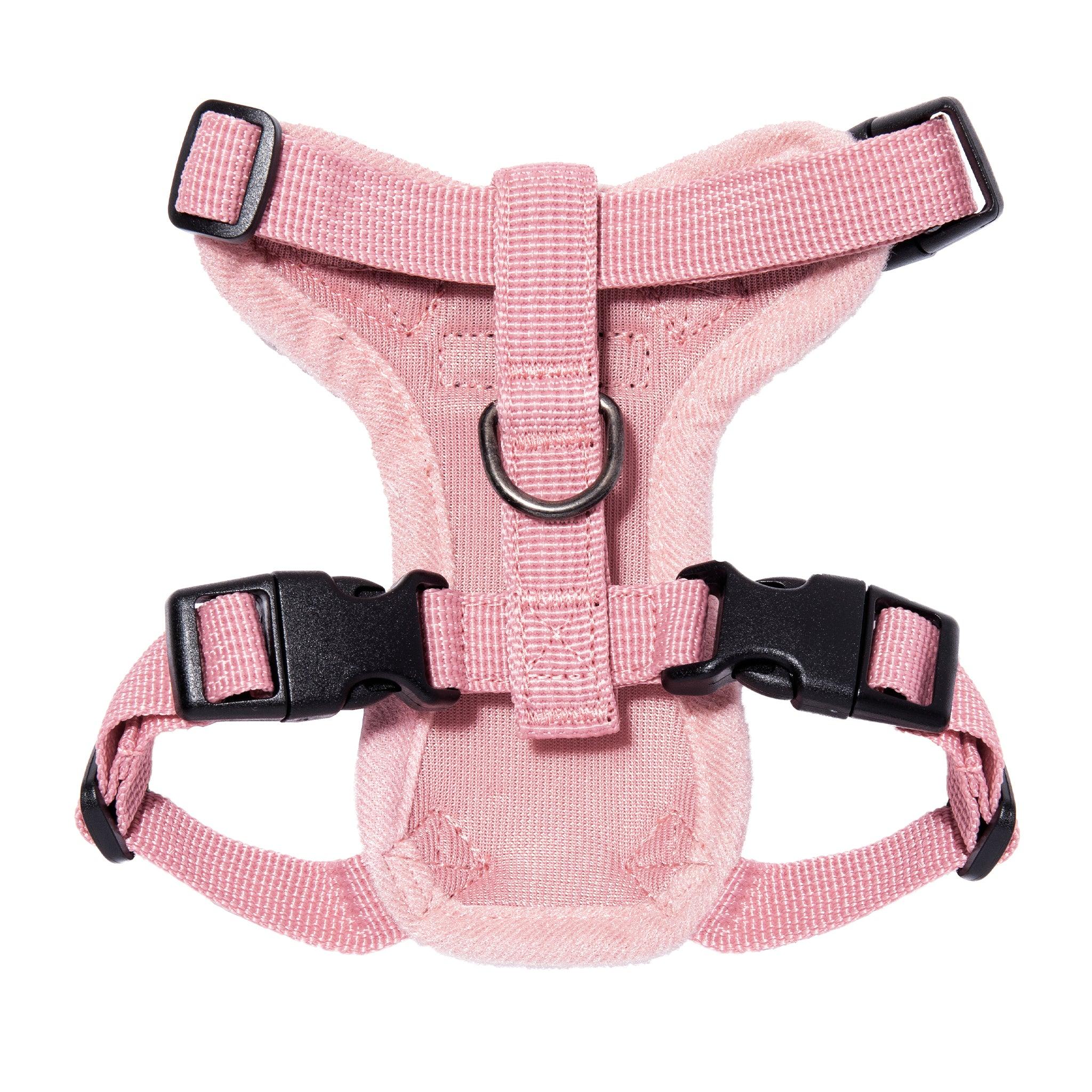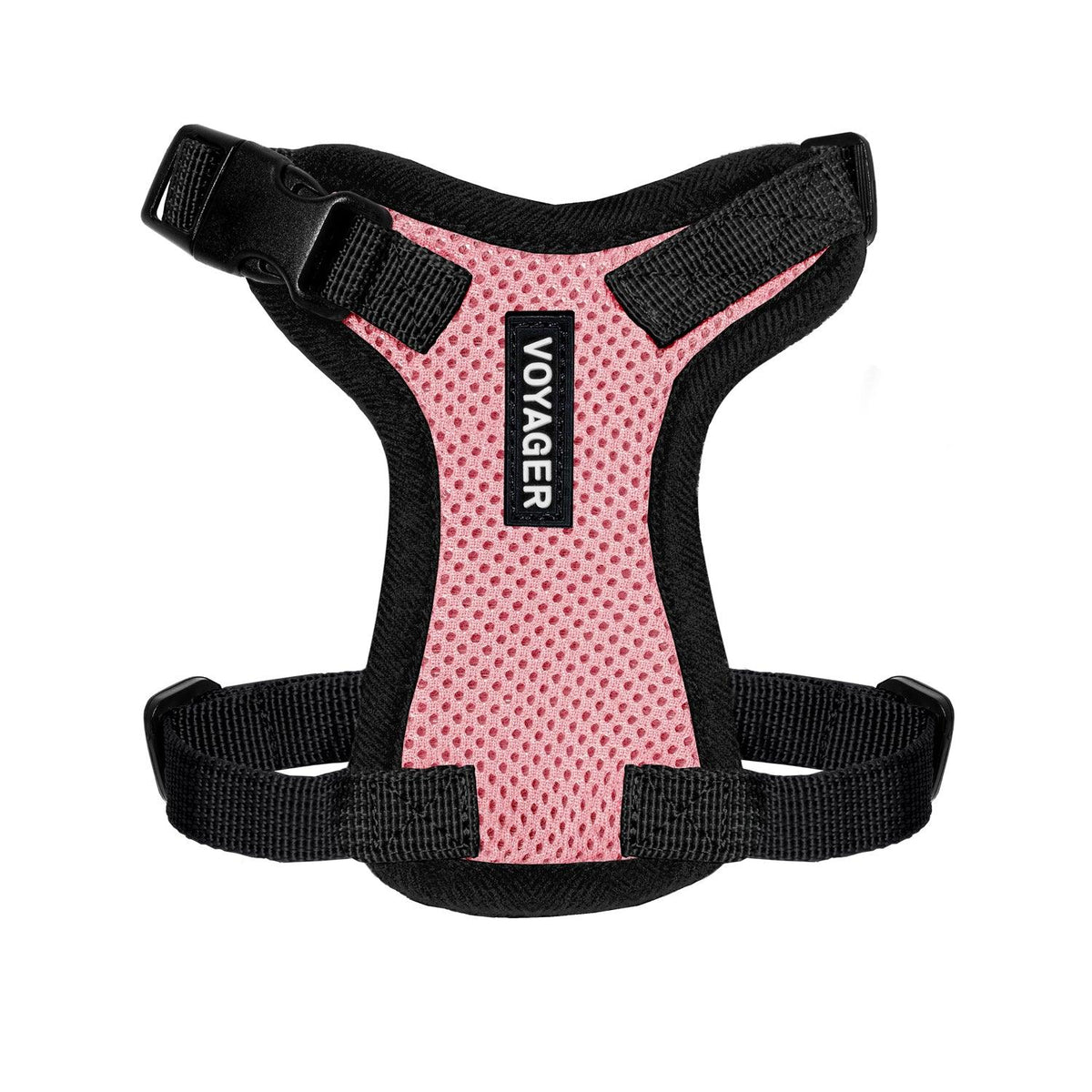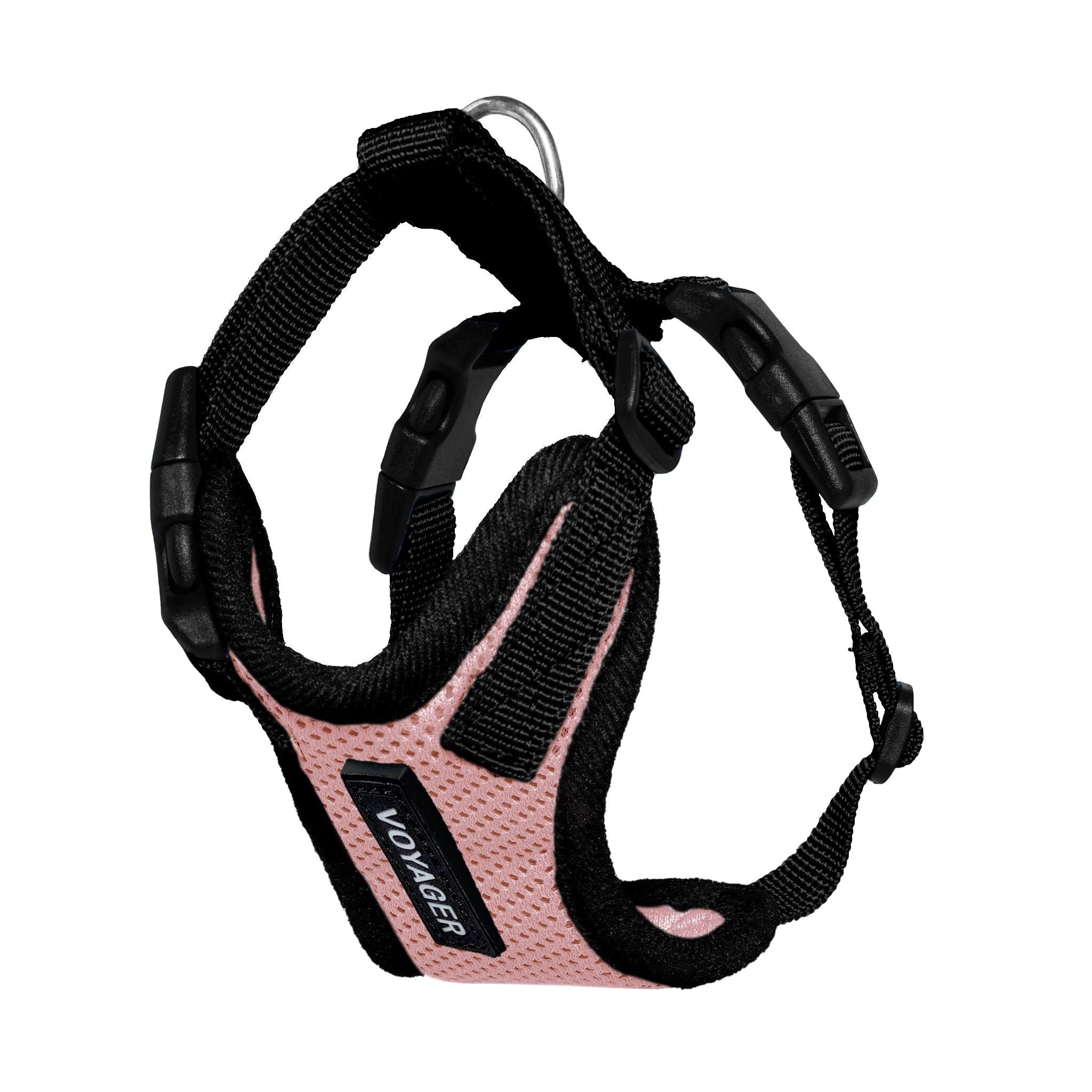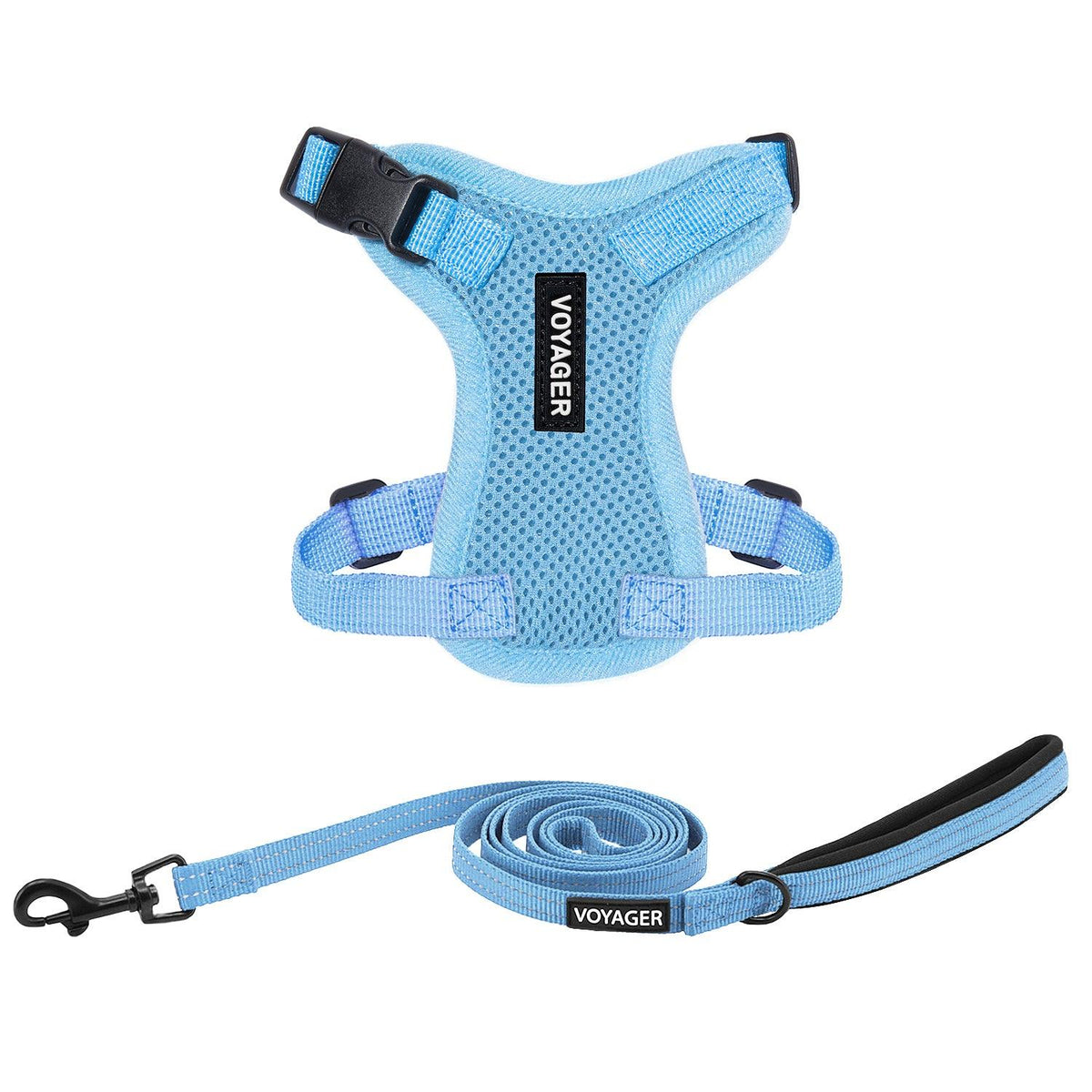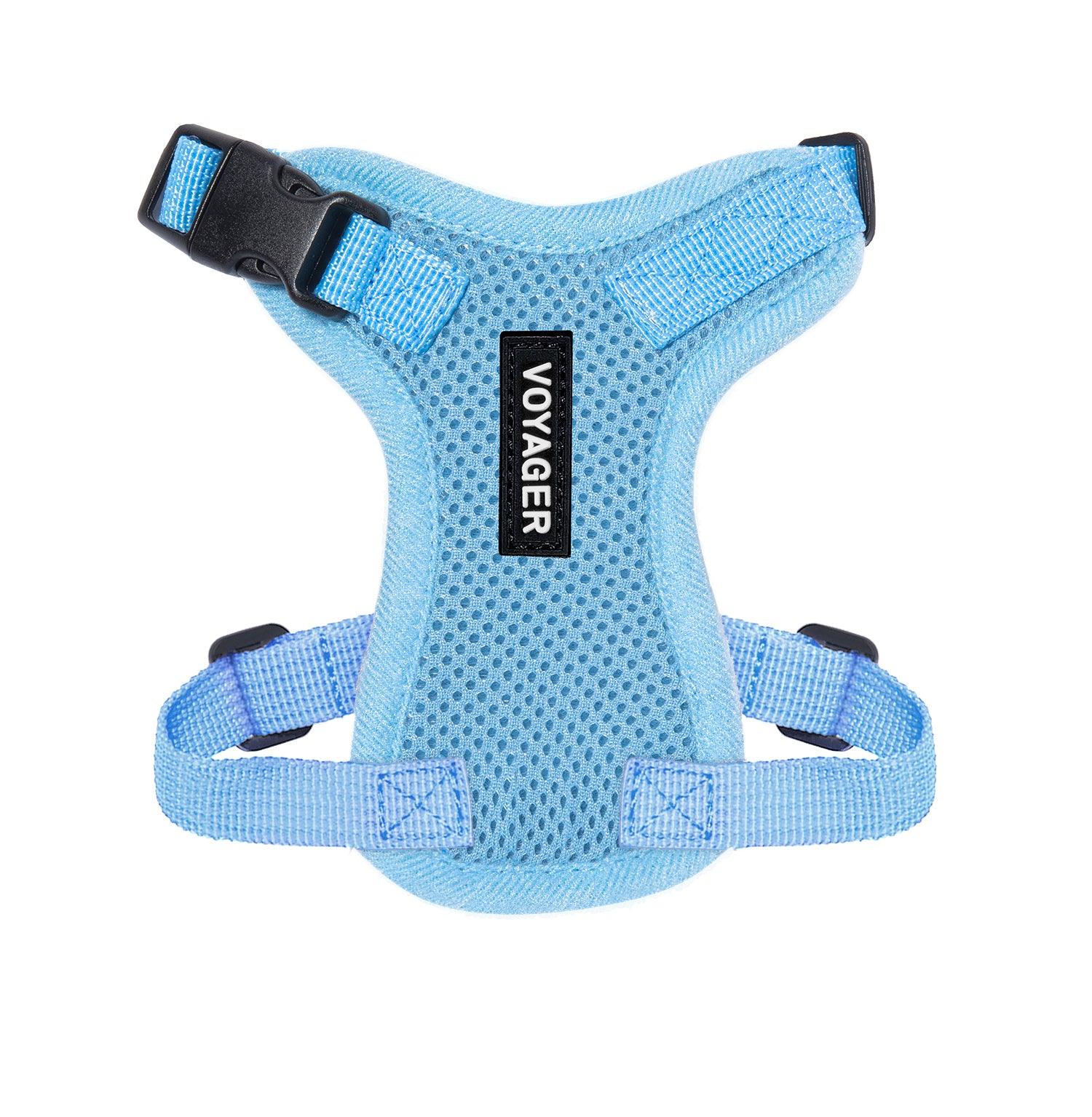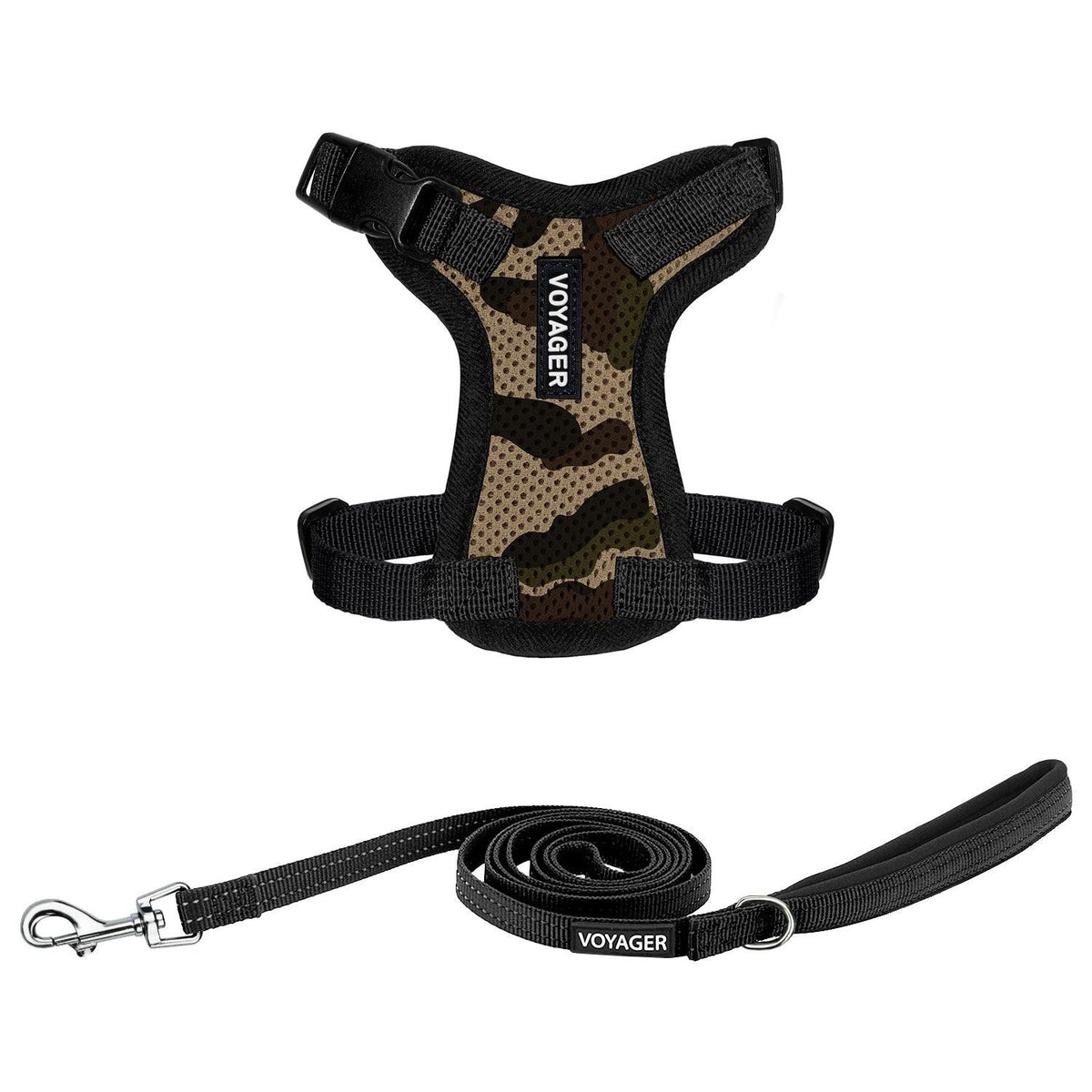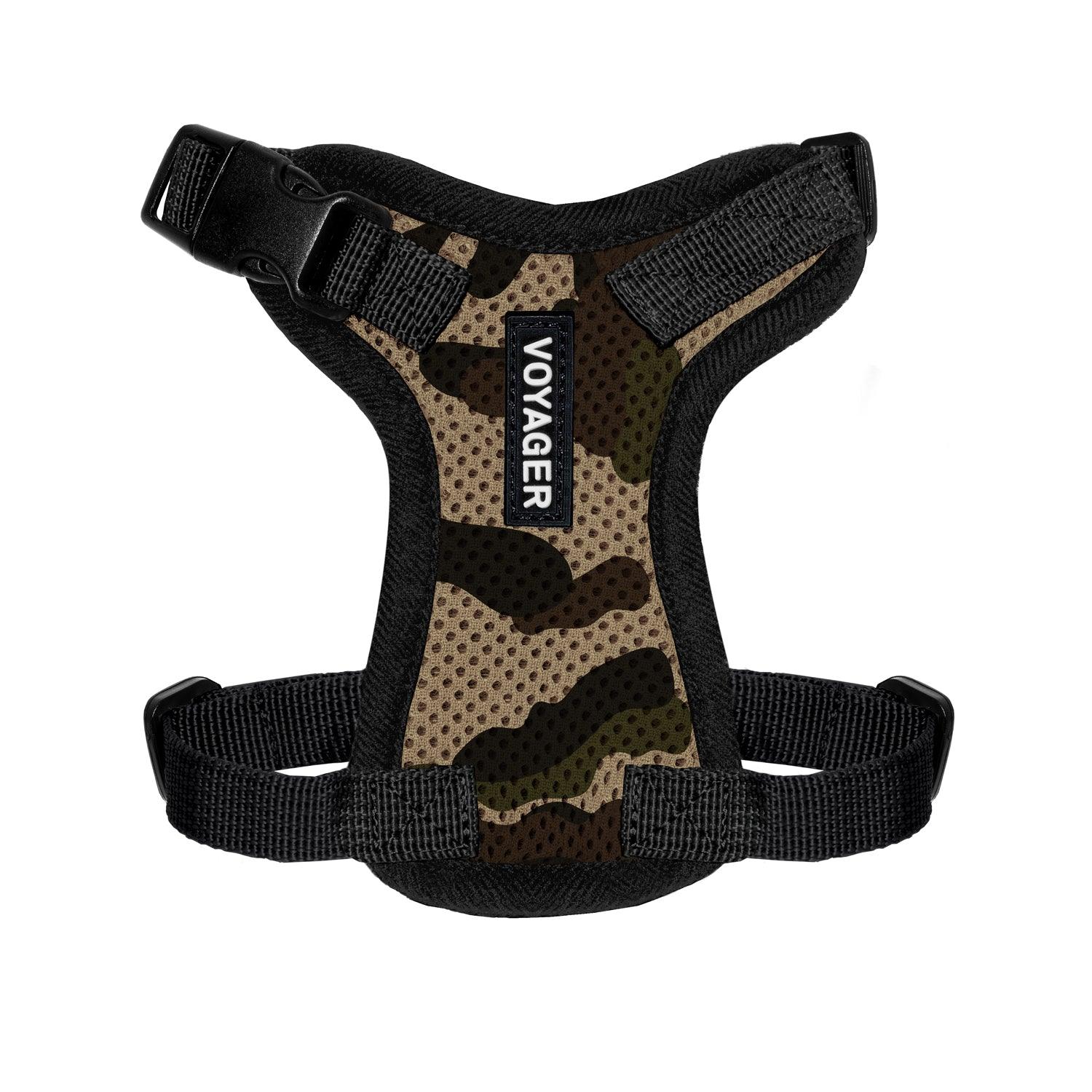
Cat Harness & Leash For Comfort & Safety
Know More +
Cat Harness and Leash Sets for Comfortable, Secure Walks
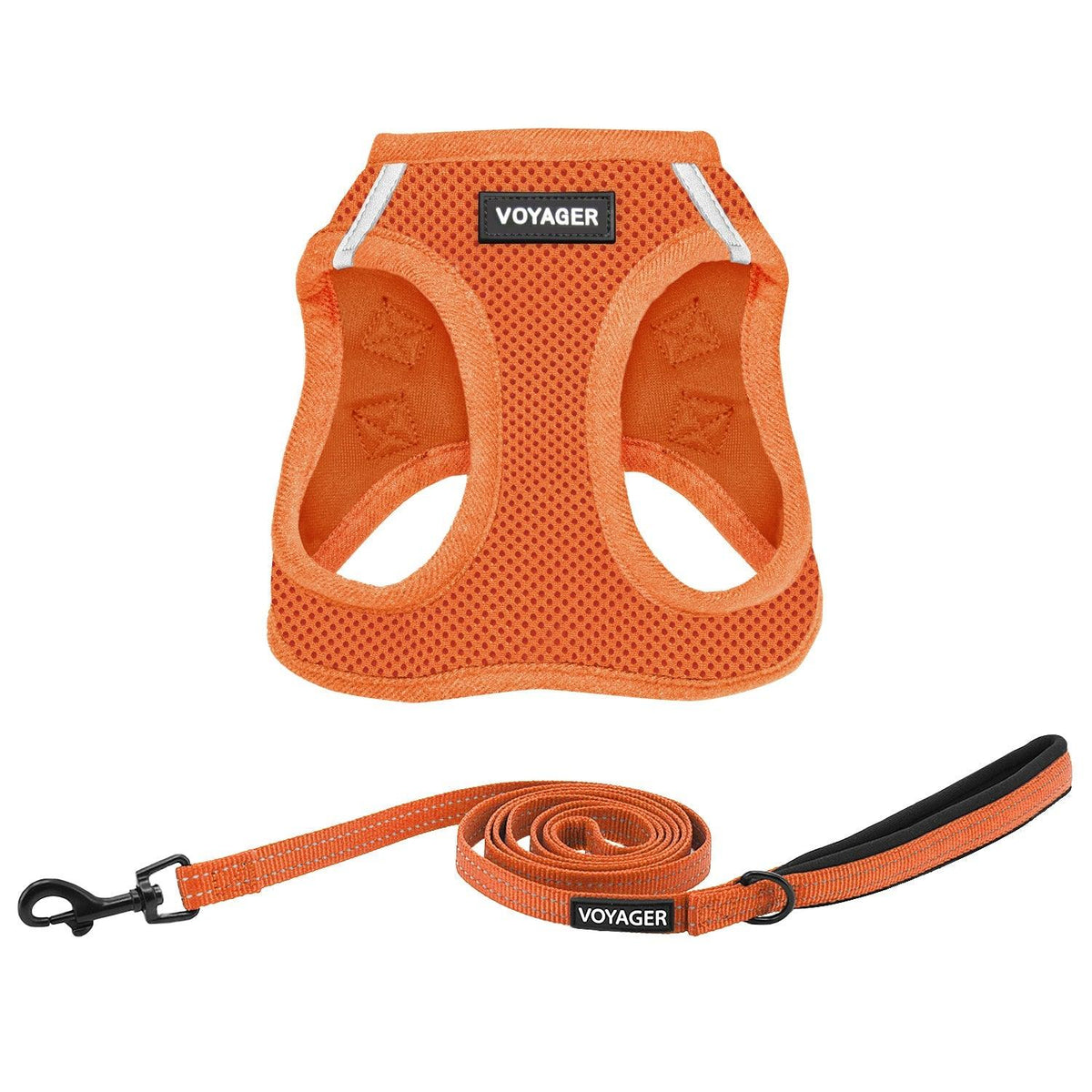
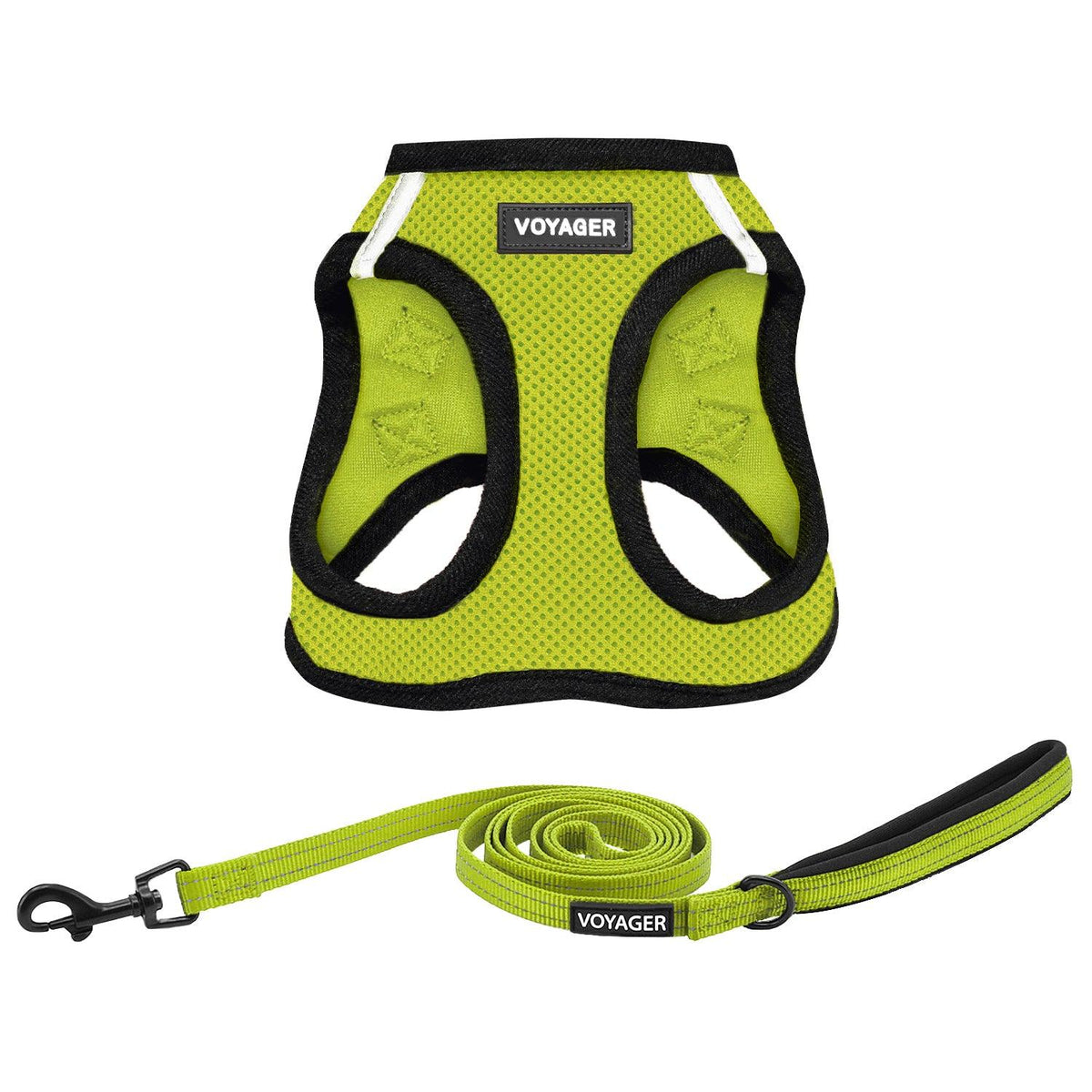
A cat harness gives you secure control during outdoor time without putting pressure on your cat's neck, making it a safer choice than a collar for walks, vet visits, and travel. For younger explorers, starting with a lightweight kitten harness and leash helps them get used to the feeling of gear without it being too bulky. Buying a full cat harness and leash set is usually the smartest move, as it ensures the leash clip and the harness D-rings are perfectly scaled for a cat’s smaller frame.
Why a Harness Beats a Collar for Outdoor Time
While collars are fine for ID tags and bells, they aren't safe for walking a cat. Cats have incredibly flexible necks and delicate windpipes; if they get spooked and pull against a collar, it can put unnecessary strain on their neck and throat.
- No More Choking: A harness moves the "tug" from the throat to the chest and shoulders, which are much stronger.
- The "Liquid Cat" Factor: We’ve all seen a cat slip out of a collar in two seconds. A well-fitted harness wraps around the torso, making it much harder for them to wriggle free.
- Control Without the Stress: It gives you a secure way to guide them away from a prickly bush or a neighbor's dog without putting pressure on their neck.
Cat Harness Training: What to Expect
Don't expect your cat to walk like a dog on day one. Some cats initially freeze or resist movement when wearing a harness for the first time; this is normal and usually resolves with consistent indoor practice. Most cats need weeks of indoor practice before they’re ready for the sidewalk. Start by letting them wear the harness during mealtime so they associate it with something good. Once they’re walking normally inside, then you can think about clicking on the leash and heading toward the door.
Cat Harness Types
Step-In Air Cat Harness
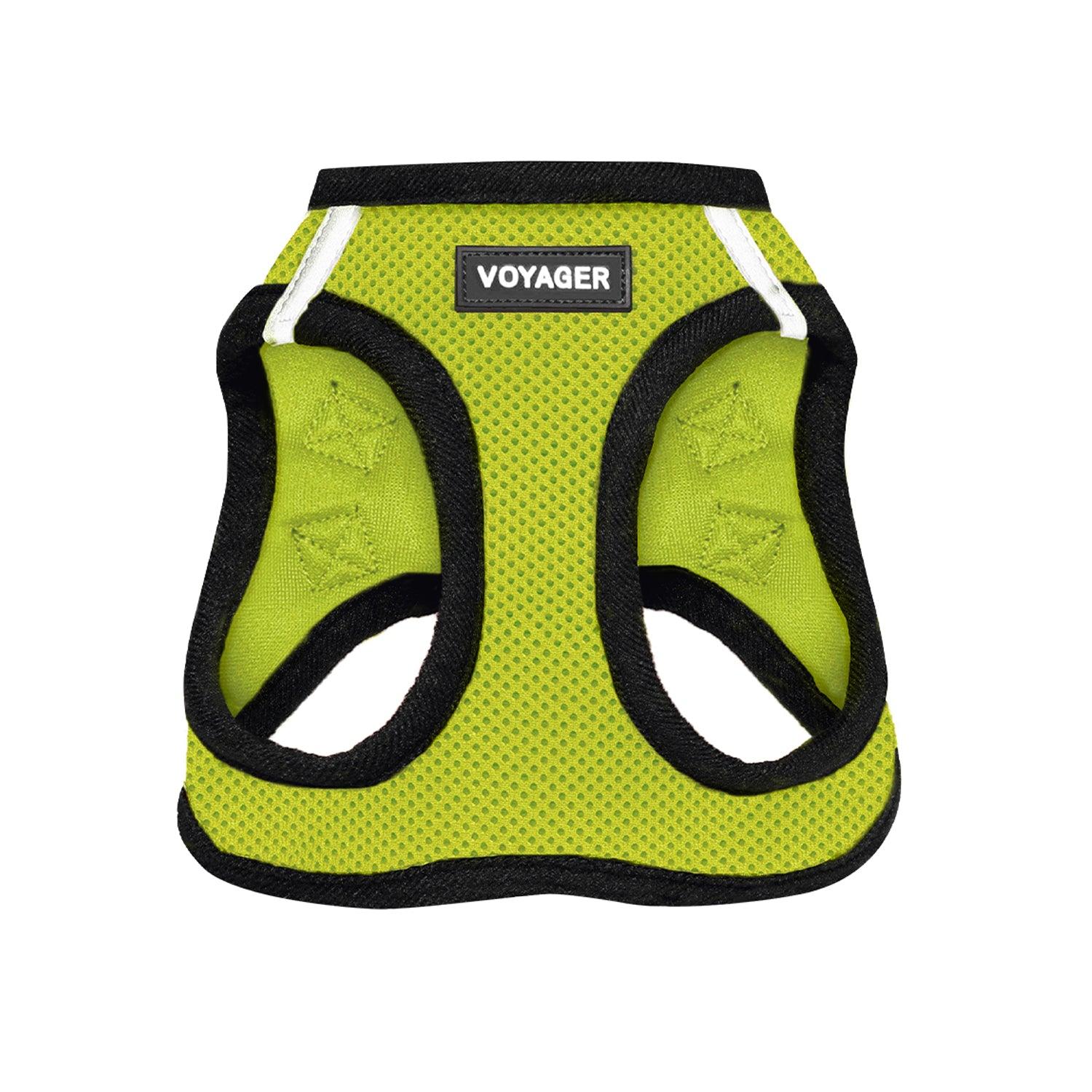
This is our most popular "everyday" model, made from a soft, breathable mesh that allows cats to move naturally. The lightweight design is ideal for felines that are sensitive to bulky gear.
- Best For: Casual backyard exploration and cats that get hot easily.
- Shop: Step-In Air Cat Harness.
Step-In Lock Cat Harness
If you have a cat that is a certified escape artist, this is the one you want. It features a dedicated locking buckle for that extra layer of "just in case" security during travel or high-stress environments.
- Best For: Traveling, vet visits, and cats that are prone to bolting when they hear a loud noise.
- Shop: Step-In Lock Cat Harness.
Vest Cat Harness
A vest-style harness offers significantly more body coverage than a standard step-in model. This design is often the most secure option for escape-prone cats because it wraps more of the torso, making it very difficult to back out of.
- Best For: High-tension situations or cats that require maximum security.
How to Choose the Best Cat Harness
- Check the Adjustment Points: Cats come in all shapes. Look for a harness with adjustable straps so you can snug it up around their specific "girth" (the widest part of their chest).
- Focus on Closures: A combination of high-quality Velcro and a secure buckle is the gold standard for keeping a cat contained.
- Prioritize Breathability: Cats can overheat quickly when stressed. Padded mesh allows for airflow even during an active outdoor session.
- Look for Escape-Resistant Designs: The best escape-resistant harnesses provide a "hug" feel that keeps them secure without digging into their armpits.
Why Pet Parents Choose Voyager
We know that a cat’s body isn’t just a "small dog" body—they move differently. Voyager harnesses are designed to be lightweight enough for a five-pound kitten but durable enough for a fifteen-pound Maine Coon. Our focus on breathable fabrics and the simple "step-in" design means less time wrestling with your cat and more time exploring.
Conclusion
A harness is about safety and enrichment. Whether you’re just starting out with a tiny kitten or you’re trying to give your senior cat some fresh air, a secure fit is everything. Take it slow, keep the treats handy, and always supervise your cat while they’re in their gear.
FAQ
Fit & Sizing
- How tight should it be? You should be able to fit one finger between the harness and your cat. If you can fit two, it’s probably too loose for a cat.
- What if my cat is right between sizes? Go with the smaller size if you want maximum security, as long as it doesn't pinch their armpits.
- How do I measure a wiggly cat? Try measuring them while they’re eating or have someone else hold a treat while you use a soft measuring tape around their chest.
Training & Safety
- Can my cat wear this while I’m at work? No. Harnesses should only be worn under your direct supervision to prevent them from getting caught on furniture.
- Do cats walk on a leash like dogs? Some do, but most cats prefer to "patrol" or sit and sniff. Let them lead the way.
- Is any harness 100% escape-proof? If a cat is scared enough and the harness is loose, they can wriggle out. Always double-check the fit before opening the door.
Maintenance
- Are these machine-washable? We recommend hand-washing or using a delicate cycle in a mesh bag to keep the Velcro and buckles in top shape.
- Does the leash come with it? Many of our sets include a matching 5ft leash, but check the specific product description to be sure.
FAQs
Is it okay for cats and kittens to wear harnesses?
Yes. Voyager cat harnesses can be used on both kittens and adult cats. By dispersing the pressure across the chest instead of the neck, they minimize stress and keep your pet secure while you walk outside.
Is it safe to walk cats outside on a leash and harness?
Yes, of course. By using a leash and harness, you can let your cat explore securely while still being in control. The best cat harnesses safeguard your cat from running away, lessen their stress levels, and give them the confidence to embark on outside adventures.
What kinds of harnesses work best for cats? Are there ways to get out that don't work?
The harness that works best is the one that fits the most. Ensure your cat is comfortable in the harness and can easily move around without backing out. Getting them used to the harness in a safety environment before going outdoor is important.
How big should the harness be for my cat?
Ensure you measure your cat’s chest and neck circumference correctly and find a harness that fits snugly. A good harness keeps both kittens and adults from falling and makes sure that walks are safe.
Is it okay to put a leash on my cat's harness?
Definitely! Every Voyager cat harness has a D-ring to attach the leash. This provides you more control and makes you feel better about training and walking your cat outside.
How can I put a harness on my cat without injuring it?
Let your cat see and smell the harness inside first. Begin with short wearing periods and treats, and then gradually add walks outside. The best cat harness makes training more fun, simple, and rewarding.
Can my cat wear a harness all day, even when it's outside?
Voyager’s cat harnesses are comfortable enough to be worn all day. They are great for walks, training, and playing with supervision. However, always observe your cat’s behavior and take cues from her.
Discover All
Shop By Types of Harness
Air Mesh Harness | Cat Harness Collection | Step-In Air Mesh Harness | Step-In Air Cat Harness | Step-In Air Harness | Step-In Lock Cat Harness
Shop By Color
Black Cat Harness | Blue Cat Harness | Pink Cat Harness | Pink Cat Harness and Leash | Pink Step in Harness