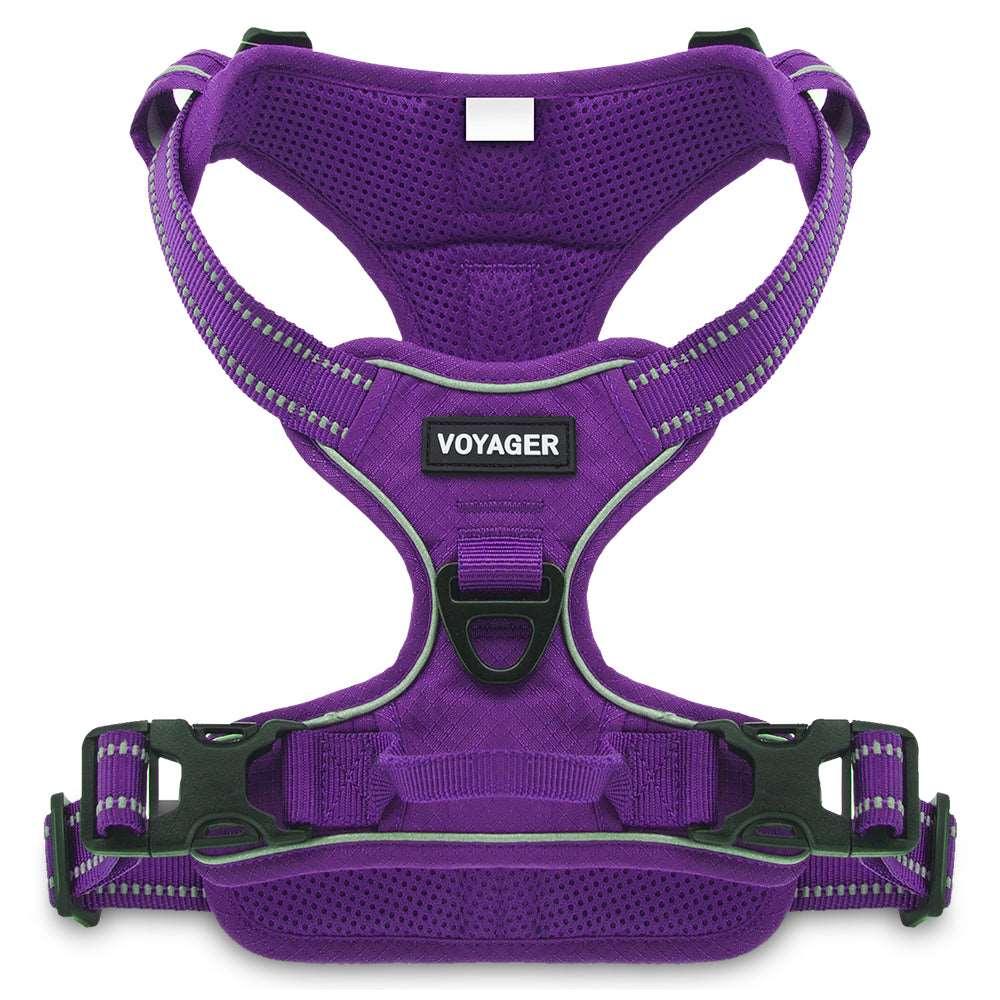
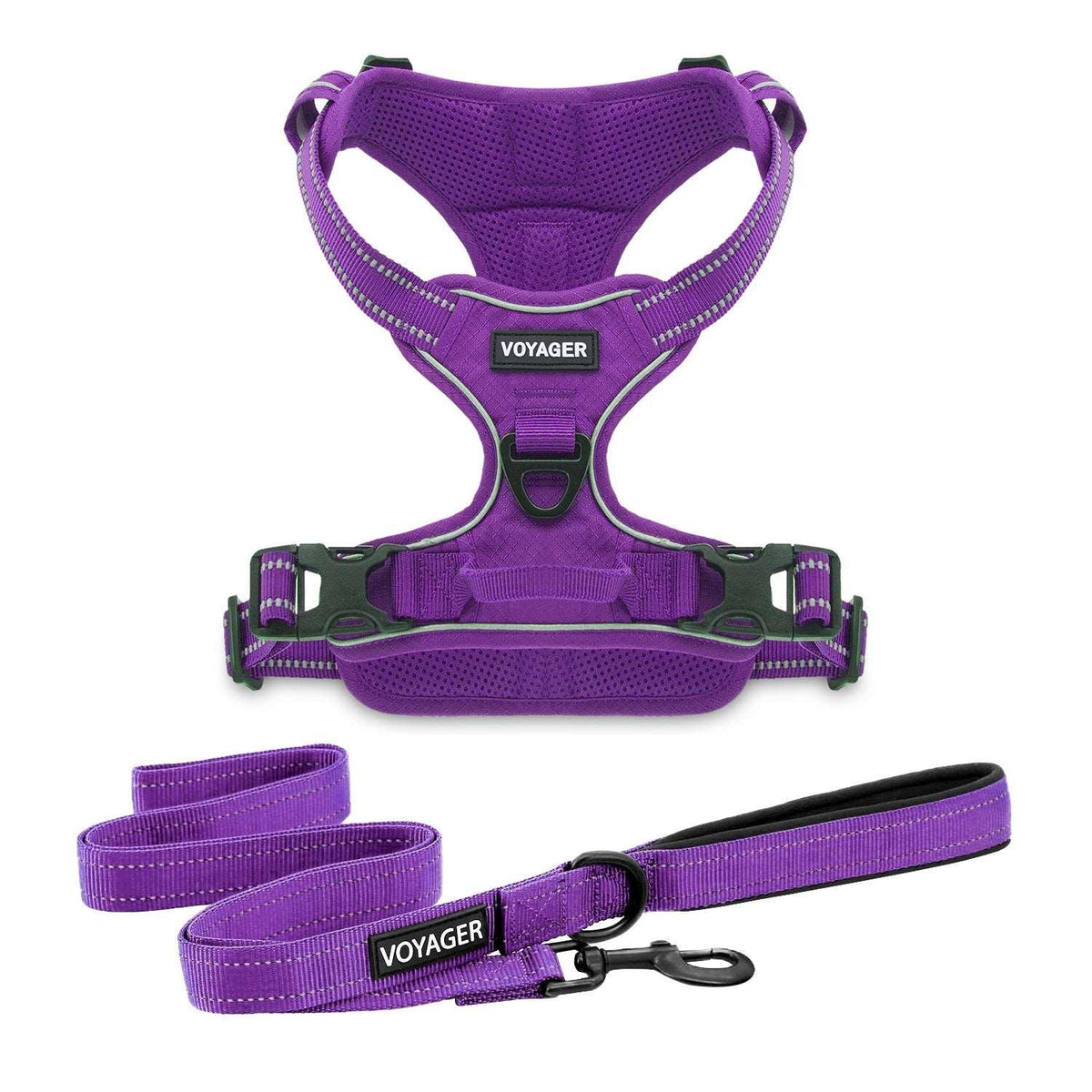
Why a Dog Walking Harness Improves Safety and Comfort
Walking with a dog harness usually feels different pretty quickly, though not always in an obvious way. Instead of everything pulling from the neck, the pressure sits lower, across the chest and shoulders. Some dogs don’t react much at first, while others relax almost right away.
A lot of owners notice the change after a few walks rather than the first one. Movement looks smoother. Stops feel less tense. In busy or unfamiliar places, that added stability tends to make handling feel easier without trying to constantly correct anything.
Key Features of an Effective Dog Walking Harness
What matters most in a dog walking harness is balance. Wide panels help spread pressure out, but too much structure can feel stiff if it’s not done well. Breathable fabric makes a difference on longer walks, especially once dogs start warming up.
Adjustability gets overlooked until it’s missing. A harness that shifts or twists mid-walk becomes distracting fast. Secure closures and solid stitching don’t stand out when they work, but when they don’t, it’s obvious within a few outings.
Why Many Owners Choose a Walking Harness Over a Collar
Collars concentrate pressure in one spot, and that shows up when dogs pull, stop suddenly, or get distracted. A walking harness spreads that force out, which usually feels easier on the dog and more manageable for the person holding the leash.
For dogs that cough, freeze, or resist when pressure hits the neck, a harness often changes the tone of the walk. It doesn’t solve everything, but it removes discomfort that can quietly cause frustration on both ends of the leash.
Who Should Choose a Dog Walking Harness
Dog walking harnesses aren’t only for dogs that pull. Puppies, senior dogs, and dogs that seem sensitive around the neck often do better in a harness right away.
They’re also helpful for dogs that walk in busy environments, where sudden stops happen without warning. If your dog reacts strongly to leash pressure or feels unpredictable on a collar, a walking harness usually feels like a calmer option.
Different Types of Dog Walking Harnesses
There isn’t just one kind of walking harness. Some are lightweight and designed for everyday use, while others add more structure for dogs that need extra control. You’ll see back-clip styles, front-clip options, and combinations of both.
The differences usually matter more after regular use than they do on day one. Voyager’s dog walking harnesses are designed to handle common walking situations without adding bulk or unnecessary complexity.
How People Usually Choose the Right Dog Walking Harness
Most owners start by looking at size, then realize behavior plays a bigger role than expected. A calm dog often does fine in a softer, simpler harness. Dogs that pull or change pace a lot tend to benefit from added structure and secure strap placement.
Watching how your dog moves once the harness is on tells you more than packaging ever will. If walking looks natural and your dog isn’t constantly adjusting or resisting, that’s usually a good sign.
Sizing and Adjustment Tips for Dog Walking Harnesses
Measure the widest part of your dog’s chest, just behind the front legs. A Dog walking harness should sit snugly without pressing in. You should be able to slide two fingers underneath comfortably.
A dog walking harness can technically be the right size and still feel off once your dog starts moving. Some owners only notice it after a few walks, when the harness begins shifting slightly or sitting differently than expected. Adjustable straps help dial that in over time, especially for dogs that are still growing or changing shape.
Care and Maintenance for Long-Lasting Use
Walking harnesses tend to pick up dirt without anyone noticing at first. A quick wipe after walks usually keeps the fabric from stiffening up. It doesn’t take much, but skipping it adds up.
Every so often, a hand wash with mild soap helps reset things. Letting the harness air dry matters more than people think. Most owners don’t worry about cleaning until the harness starts feeling different in their hands.
Why Some Owners Stick With Voyager Dog Walking Harnesses
Voyager’s dog walking harnesses are made for everyday use, not just occasional outings. Materials are chosen to stay breathable while holding their shape after repeated walks.
There aren’t a lot of flashy extras. The appeal is consistent fit, reliable construction, and not having to readjust the harness every time. For many owners, that dependability ends up mattering more once walking becomes part of the daily routine.
FAQs
How does a dog walking harness help with leash pulling?
A walking harness spreads pressure across the chest instead of concentrating it at the neck. That usually reduces sudden jolts and makes it easier to guide movement without constantly bracing or tightening your grip.
Can a dog walking harness prevent injury better than a collar?
In many cases, yes. Harnesses reduce strain on the neck and throat, which helps lower the risk of coughing, choking, or discomfort during sudden stops or pulling.
Are walking harnesses suitable for puppies?
Yes. Many owners start using walking harnesses early since puppies are still learning leash manners. Just be sure to adjust the fit often as they grow.
Can any dog use a walking harness, or is it only for dogs that pull?
Any dog can use a walking harness. While they’re often chosen for pullers, calm dogs also benefit from the added comfort and stability.
Is a walking harness safer for my dog’s neck and spine than a collar?
Generally, yes. By distributing pressure across the body, walking harnesses reduce direct force on the neck and spine during movement.
Can my dog wear a walking harness all day?
Walking harnesses are designed for activity, not all-day wear. It’s best to put them on for walks and remove them afterward so your dog stays comfortable.