No Pull Dog Harnesses For Better Control With Dogs That Pull
A no pull dog harness is designed to redirect a dog's forward momentum at the chest rather than resisting it at the neck—making walks more manageable without putting strain on your dog's throat or windpipe. Unlike standard collars or back-clip harnesses that can actually encourage a dog to pull harder (known as the opposition reflex), a no-pull design typically utilizes a front-leash attachment point or specific tension-responsive straps. When your dog lunges forward, the harness gently redirects their momentum to the side, pivoting their focus back toward you. It’s a functional tool designed to manage the "tug-of-war" and keep the pressure off their sensitive neck.
Benefits of a No Pull Dog Harness
Choosing a no pull dog harness isn't just about making the walk easier for your arms; it’s about the mechanical advantages that lead to a better experience for your pup.
- Front-clip attachment redirects pulling momentum to the side, refocusing your dog on you.
- Pressure distribution spreads force across the chest and shoulders, preventing choking or throat irritation.
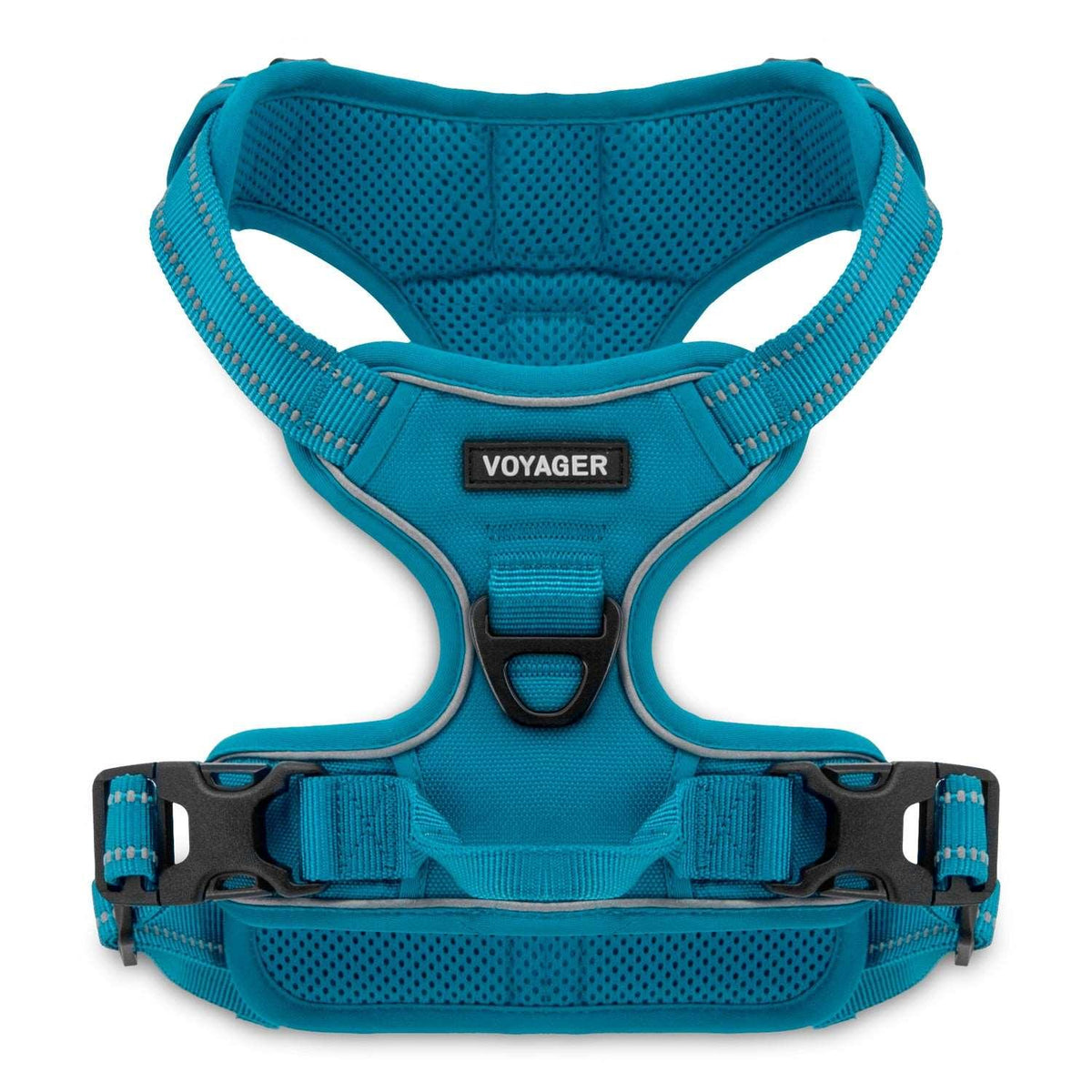
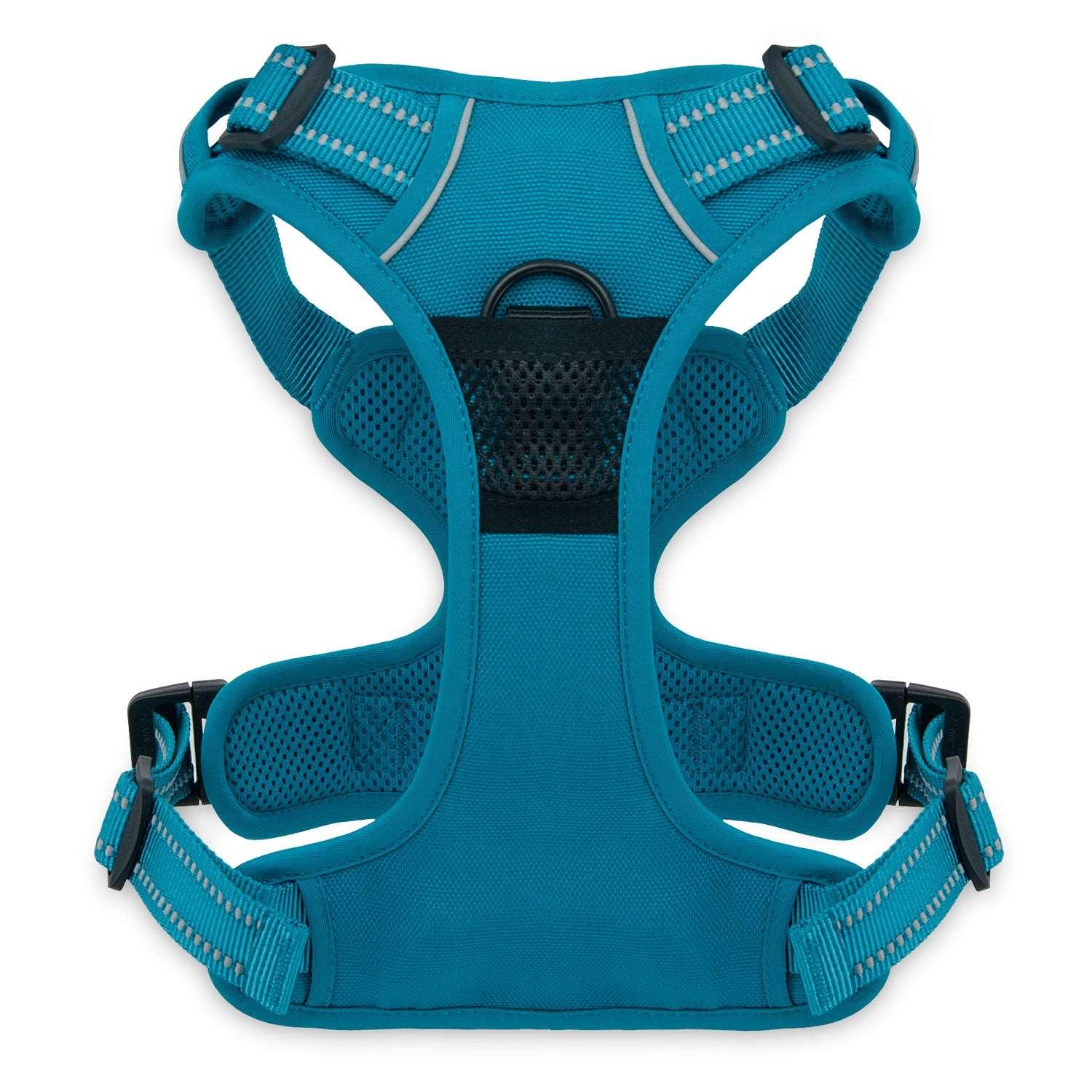
- Multiple adjustment points ensure the gear stays snug, preventing the harness from shifting or chafing during a high-energy walk.
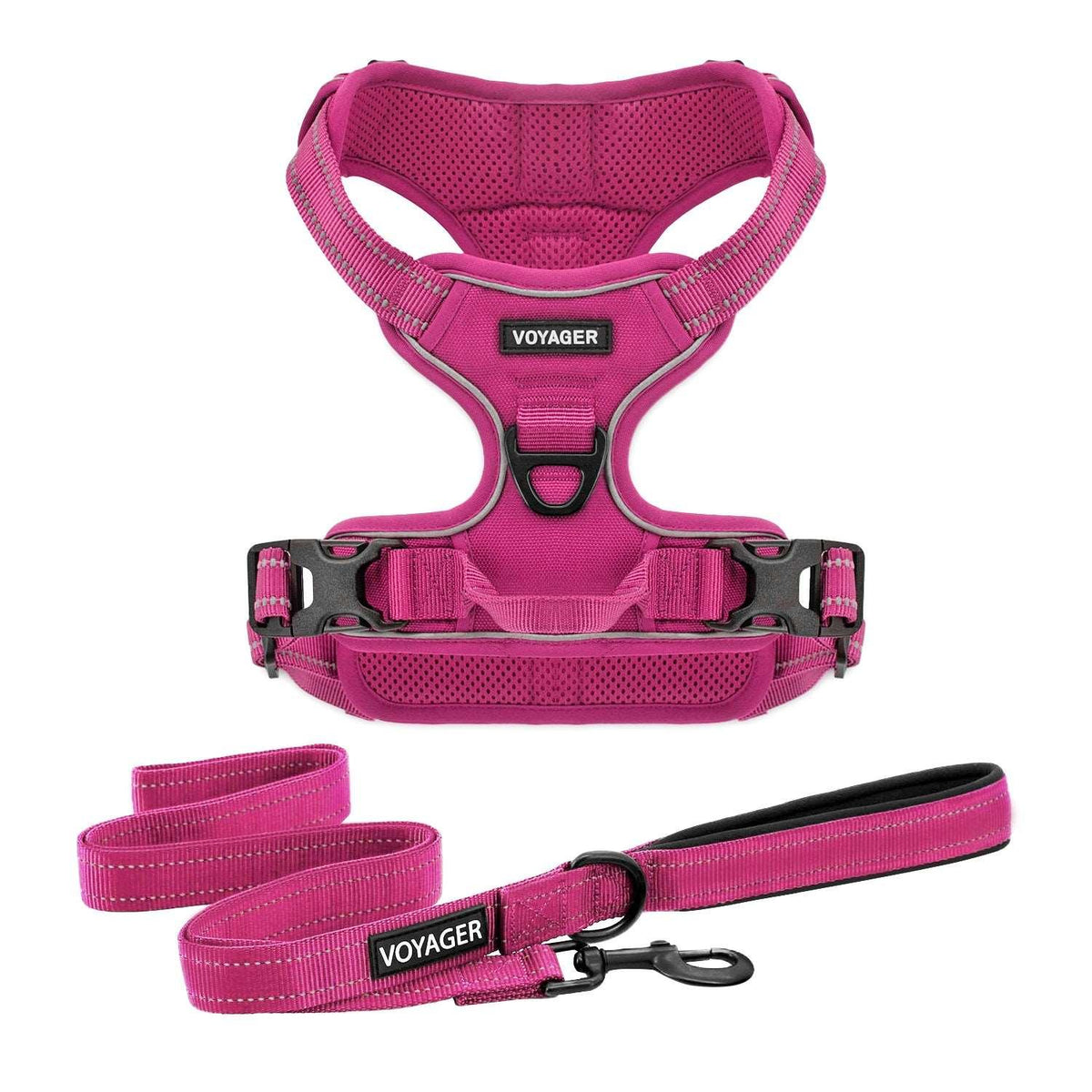
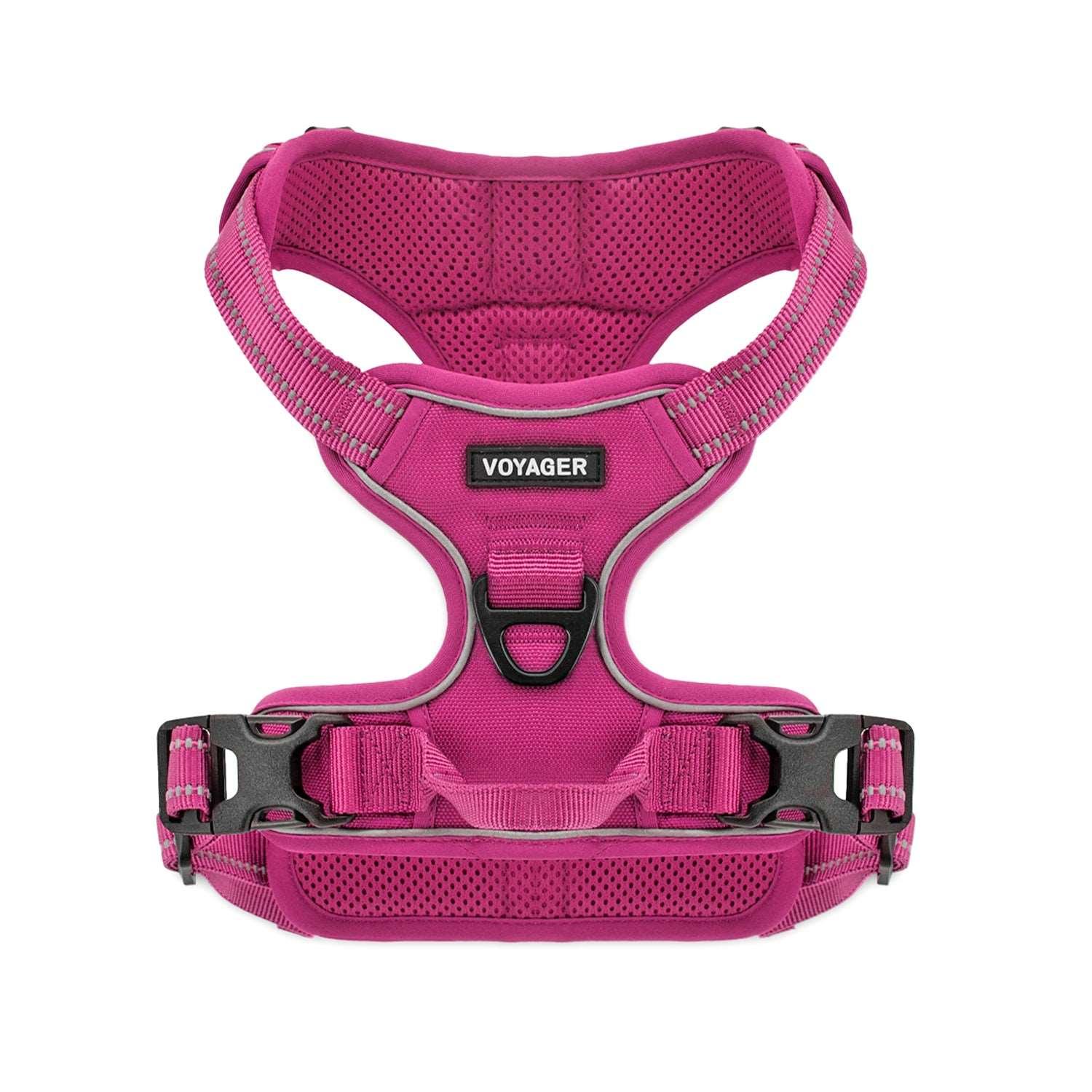
- Enhanced visibility features like reflective stitching make low-light evening walks safer for both you and your pet.
Are No-Pull Harnesses Recommended by Professionals?
Many dog owners and trainers find that a no pull dog harness is highly beneficial because of the physical protection it offers. Standard collars can put pressure on the neck and throat in dogs that pull consistently. A harness moves that pressure to the skeletal structure of the chest, which is much better at absorbing force. While gear alone won't replace the need for consistent training, it acts as a valuable management tool. It allows you to maintain control in high-traffic areas without causing the physical distress often associated with "choke" or "prong" collars.
How to Compare No Pull Dog Harness Designs
When looking for the right dog harness for pulling, it helps to compare how different models handle weight and padding. Some owners prefer a minimalist, lightweight mesh design for breathability in the summer, while others look for structured, "dual-attachment" models. A dual-attachment setup gives you the flexibility of a back clip for relaxed walks and a front clip for training sessions. Look for harnesses with reinforced chest plates if your dog is particularly powerful, or choose padded straps if your pup has short hair and is prone to skin irritation.
- Choose a dual-attachment design if you walk in both training and casual settings.
- Choose padded straps if your pup has short hair and is prone to skin irritation.
When Should a Dog Start Wearing a No-Pull Harness?
Readiness for a no pull dog harness depends on fit and comfort, not a specific age. Once a puppy has basic leash manners but is starting to gain enough weight to pull you off balance, a no-pull design can be a great training aid. The key is to prioritize a secure fit over a specific age—if they can wear it comfortably and it doesn't restrict their natural gait, they are ready to start.
How to Clean Your No Pull Dog Harness
To keep your gear in top shape and prevent odors, follow this simple care routine:
- Daily Maintenance: Wipe down the buckles and hardware with a damp cloth to remove grit or salt.
- Deep Cleaning: Hand wash in warm water with a mild, pet-safe detergent.
- Drying: Always air dry.
- Inspection: Regularly check the "D-rings" and stitching for signs of wear or fraying.
Frequently Asked Questions
Usage & Mechanics
- How does a no-pull harness actually work? It uses a front-attachment point to turn the dog toward you when they pull, breaking their forward momentum.
- Is it better than a standard harness? For dogs that pull, yes.
- Will it stop my dog from pulling instantly? It provides immediate physical leverage and control.
Sizing & Safety
- Can a dog slip out of a no-pull harness? If it’s fitted correctly using our size guide, it is very secure; however, no harness is 100% escape-proof if it’s too loose.
- How do I find the right fit? Measure the widest part of your dog’s chest and ensure you can fit two fingers between the strap and their fur.
- Can these be used for running? Front-clip attachments can sometimes interfere with a running stride; for jogging, we recommend switching to a back-clip attachment.
Behavior
- Can I use this for a puppy? Yes, provided the harness is small enough to fit snugly without being heavy or bulky.
Is it okay to use this on every walk? Yes. Many owners use a no-pull harness as their primary walking gear for daily neighborhood strolls.
FAQs
Can a no-pull dog harness be used for training?
Yes, a no-pull dog harness is excellent for training, helping to reduce pulling behavior and teach better walking manners.
Are no-pull harnesses suitable for all dog breeds?
Yes, no-pull harnesses come in various sizes and designs to fit different breeds comfortably.
How often should I replace my dog's harness?
Replace the harness if it shows signs of wear and tear or no longer fits properly to ensure your dog’s safety.