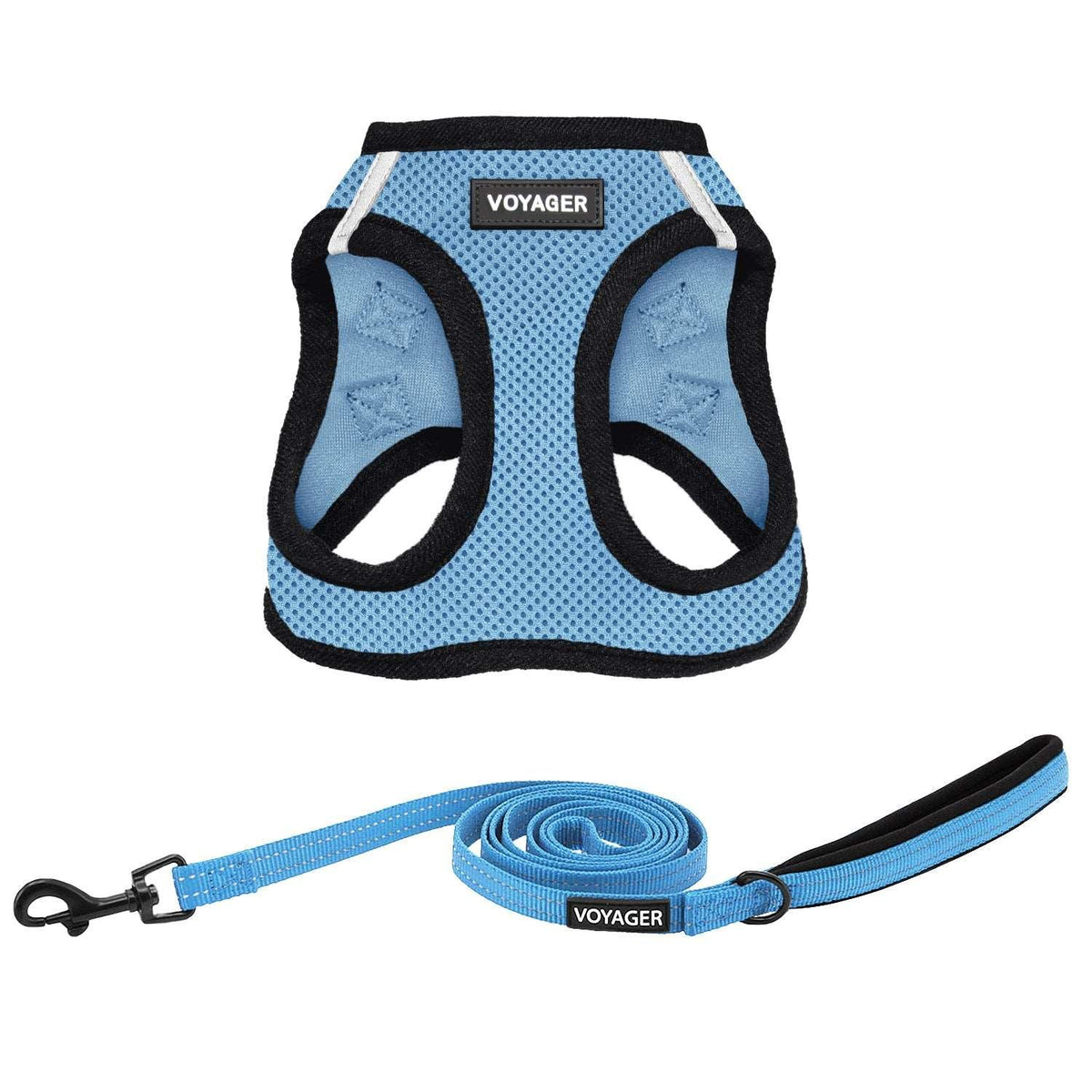
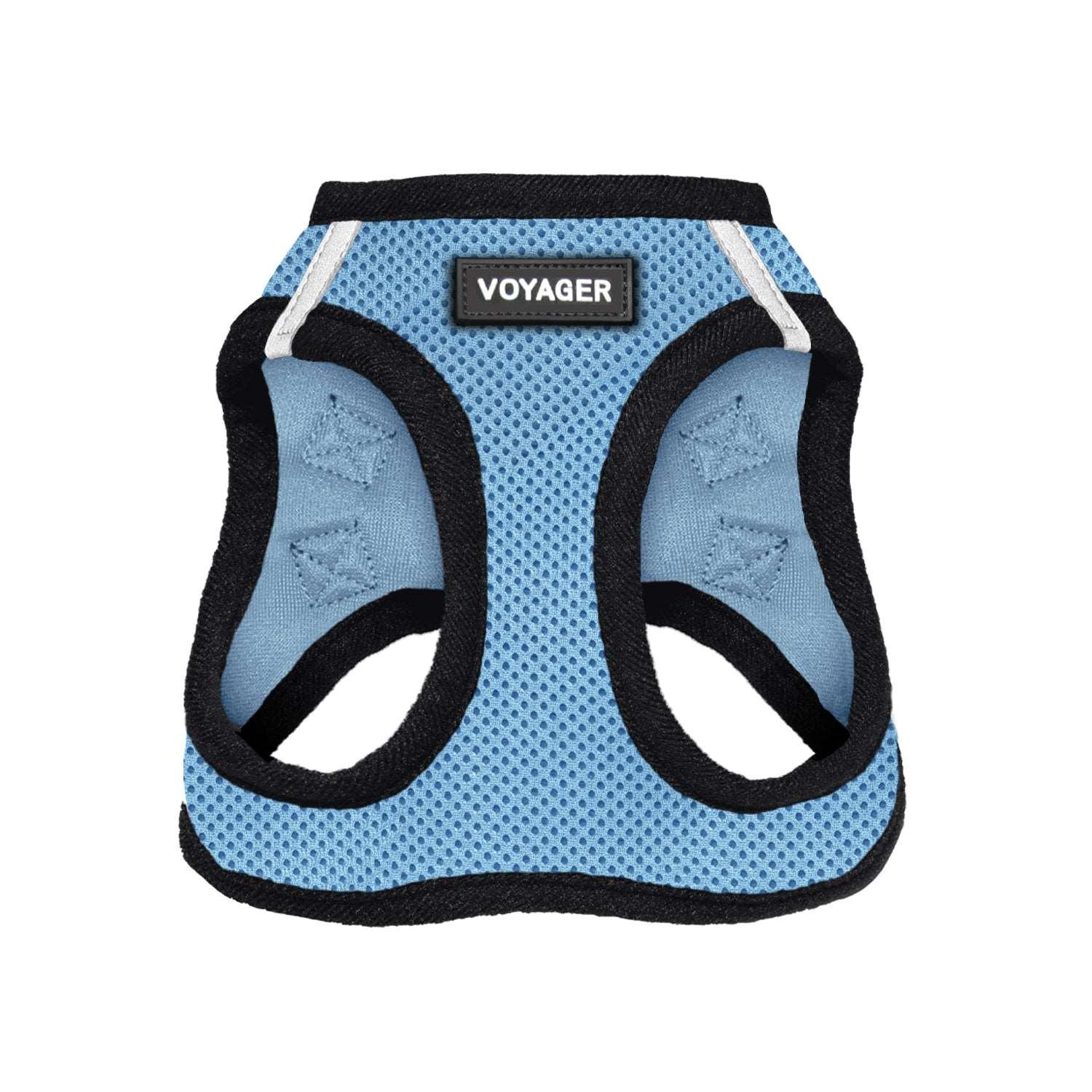
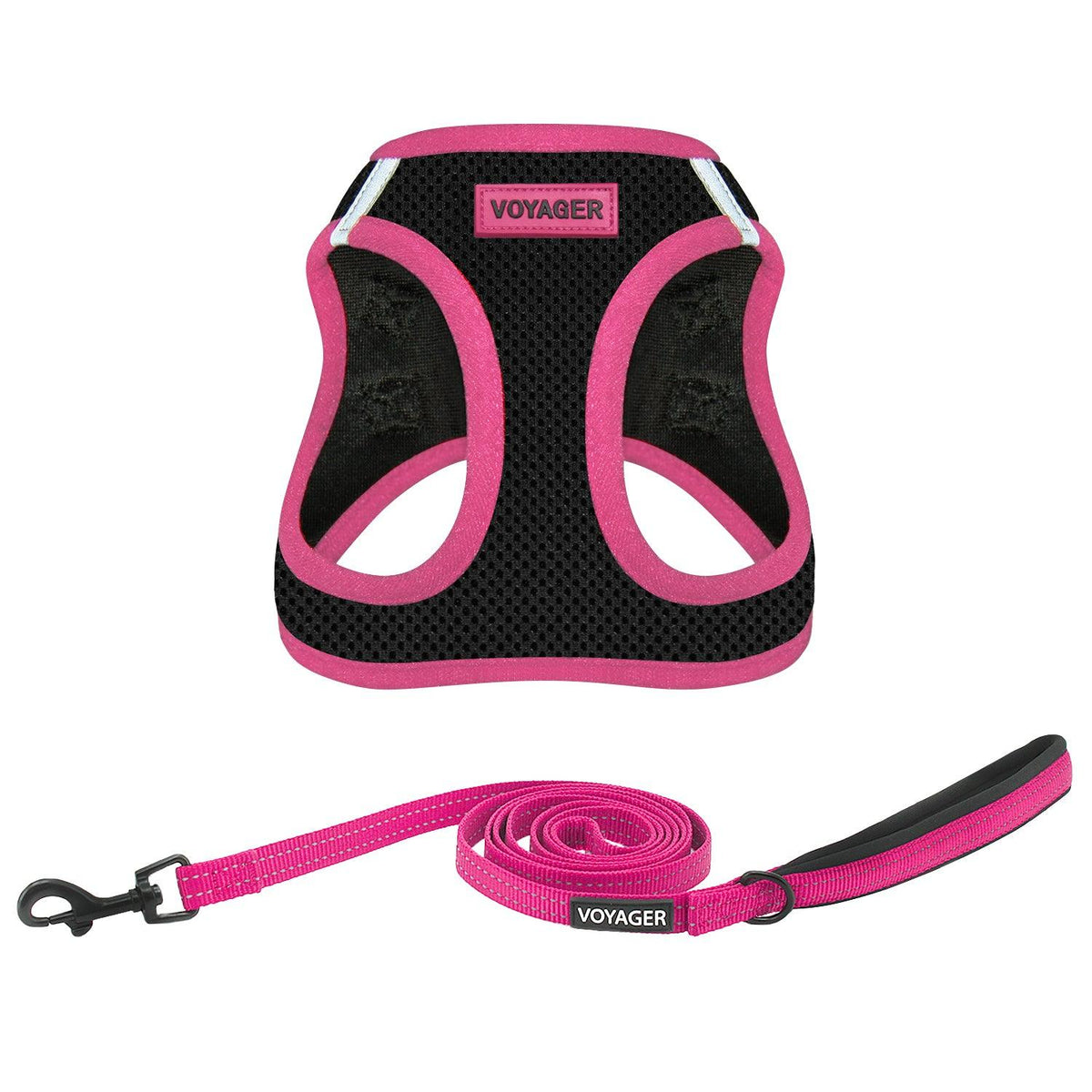
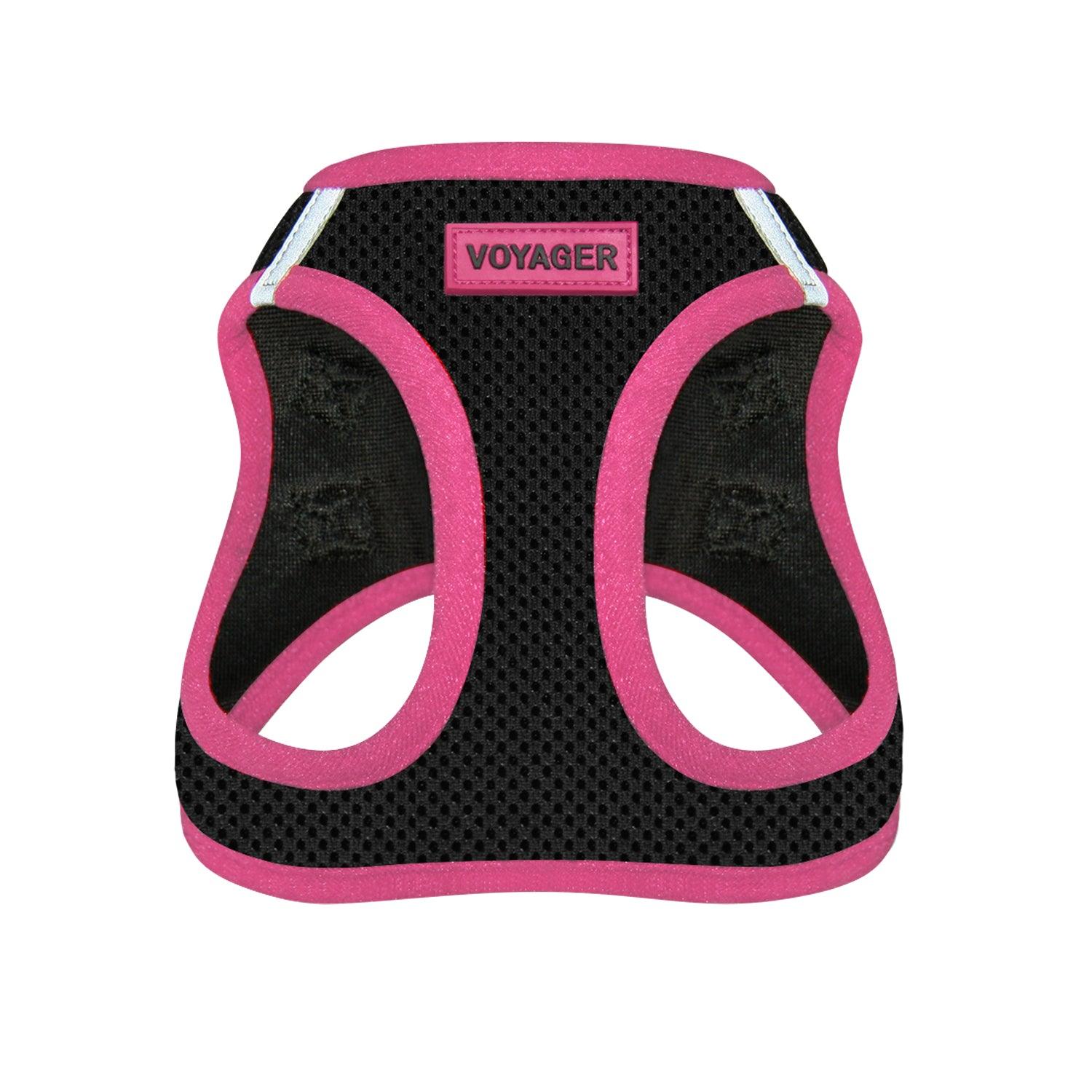
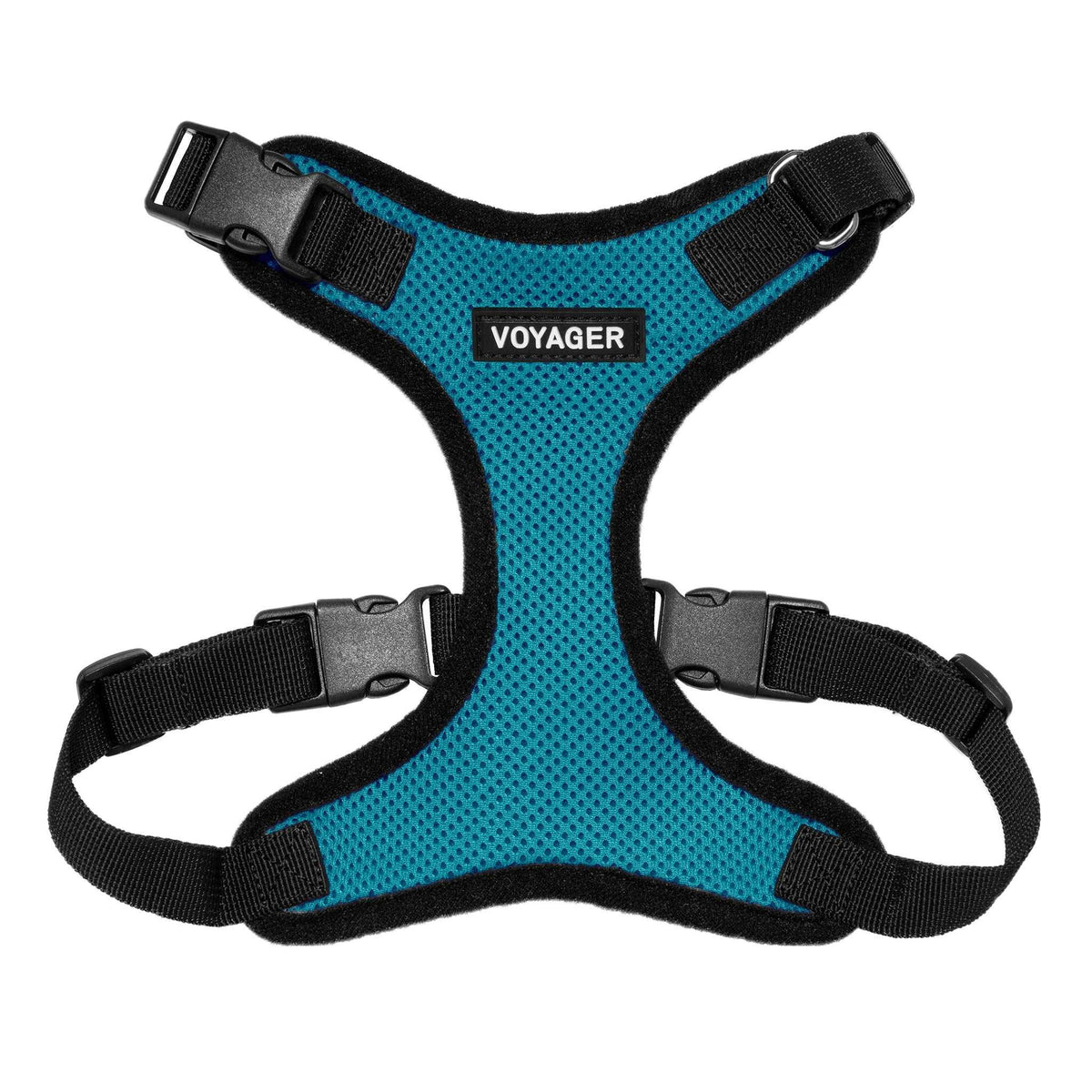
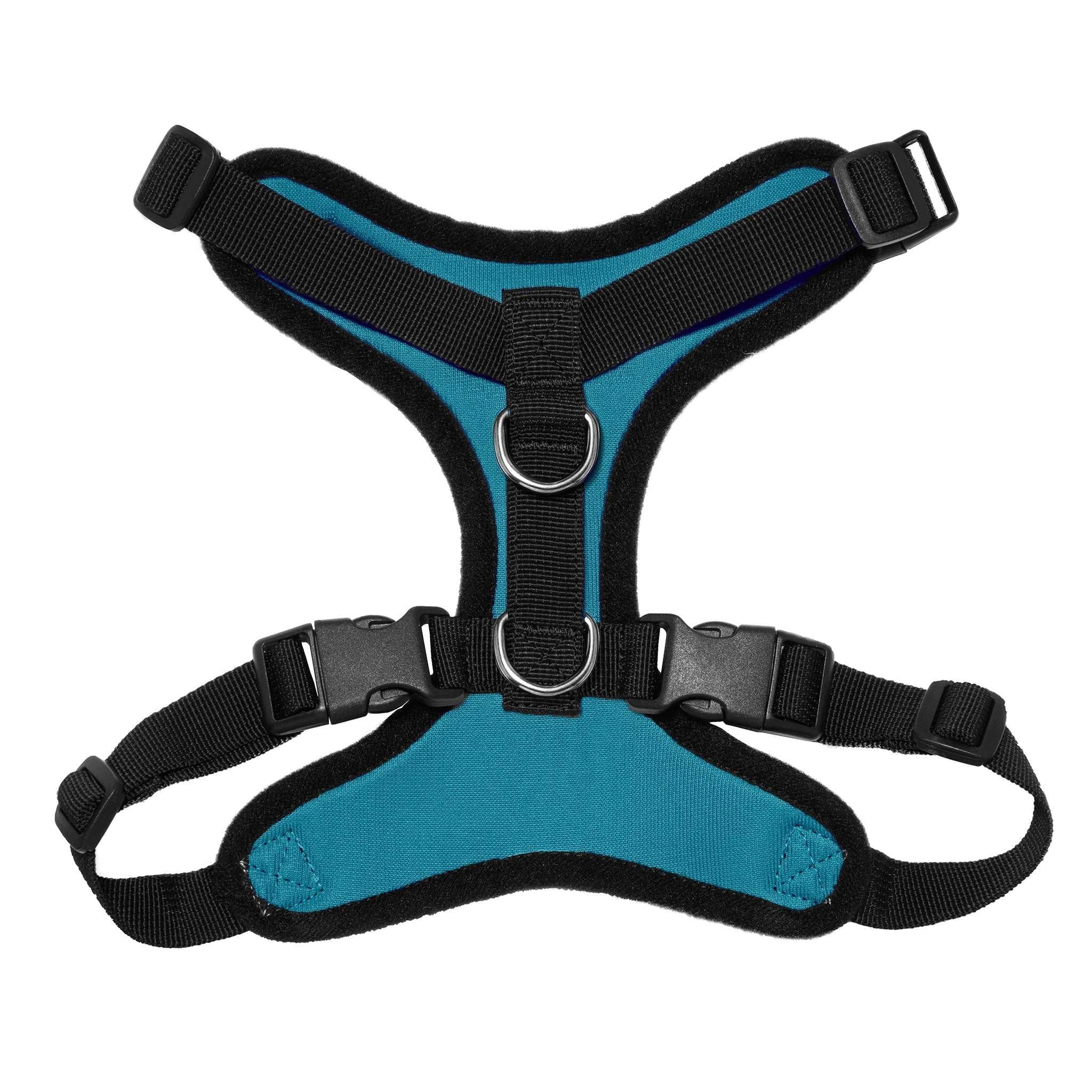
Step-In Dog Harnesses
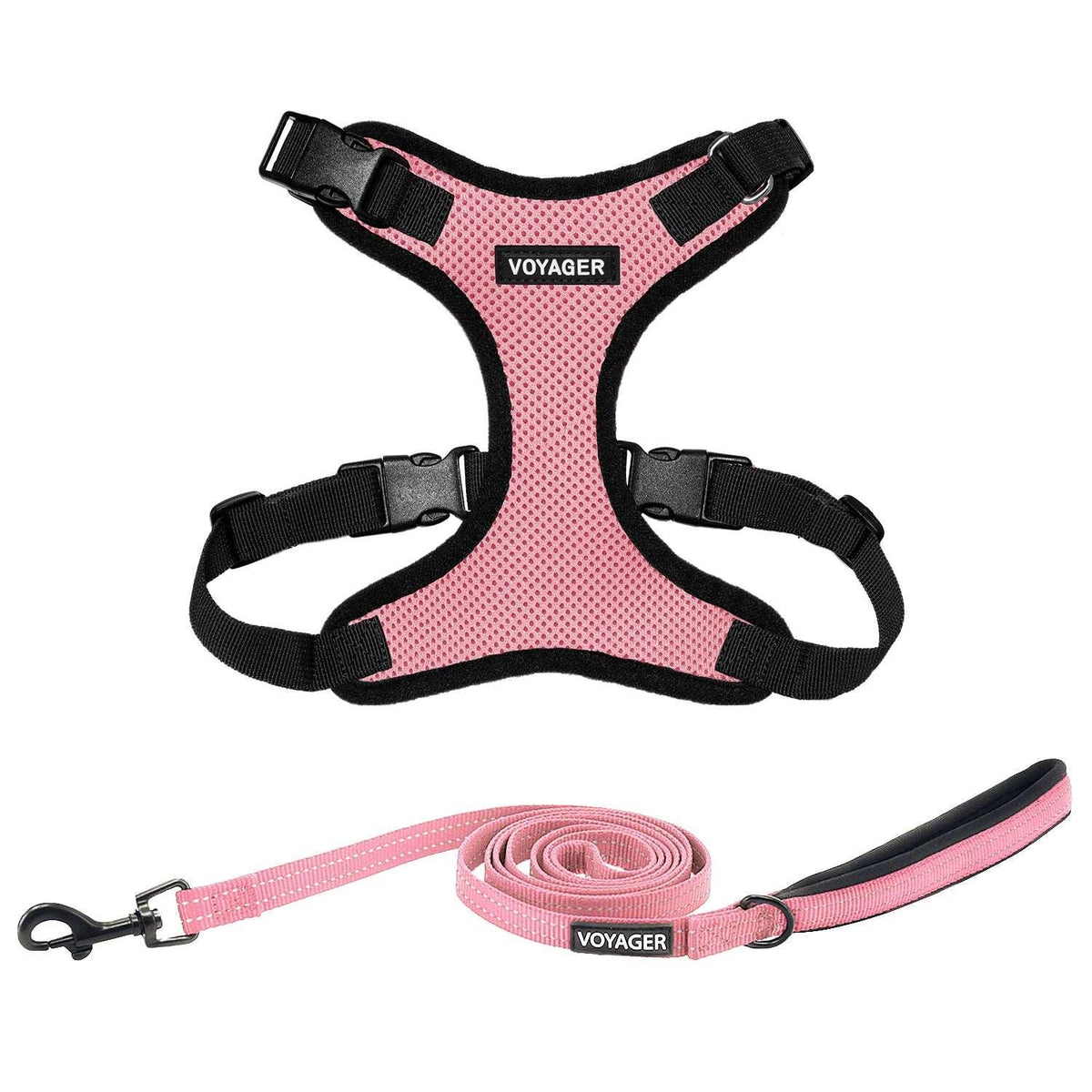
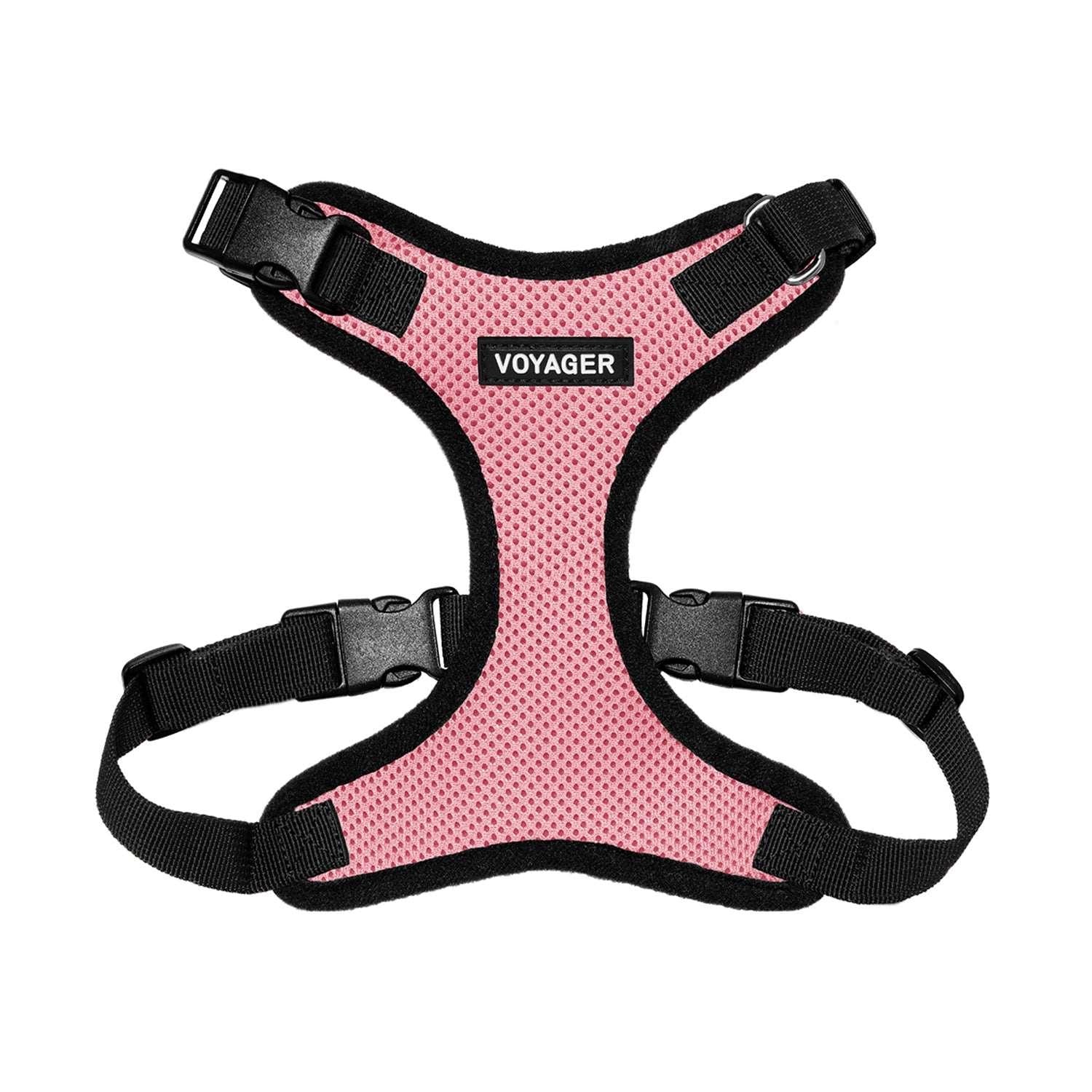
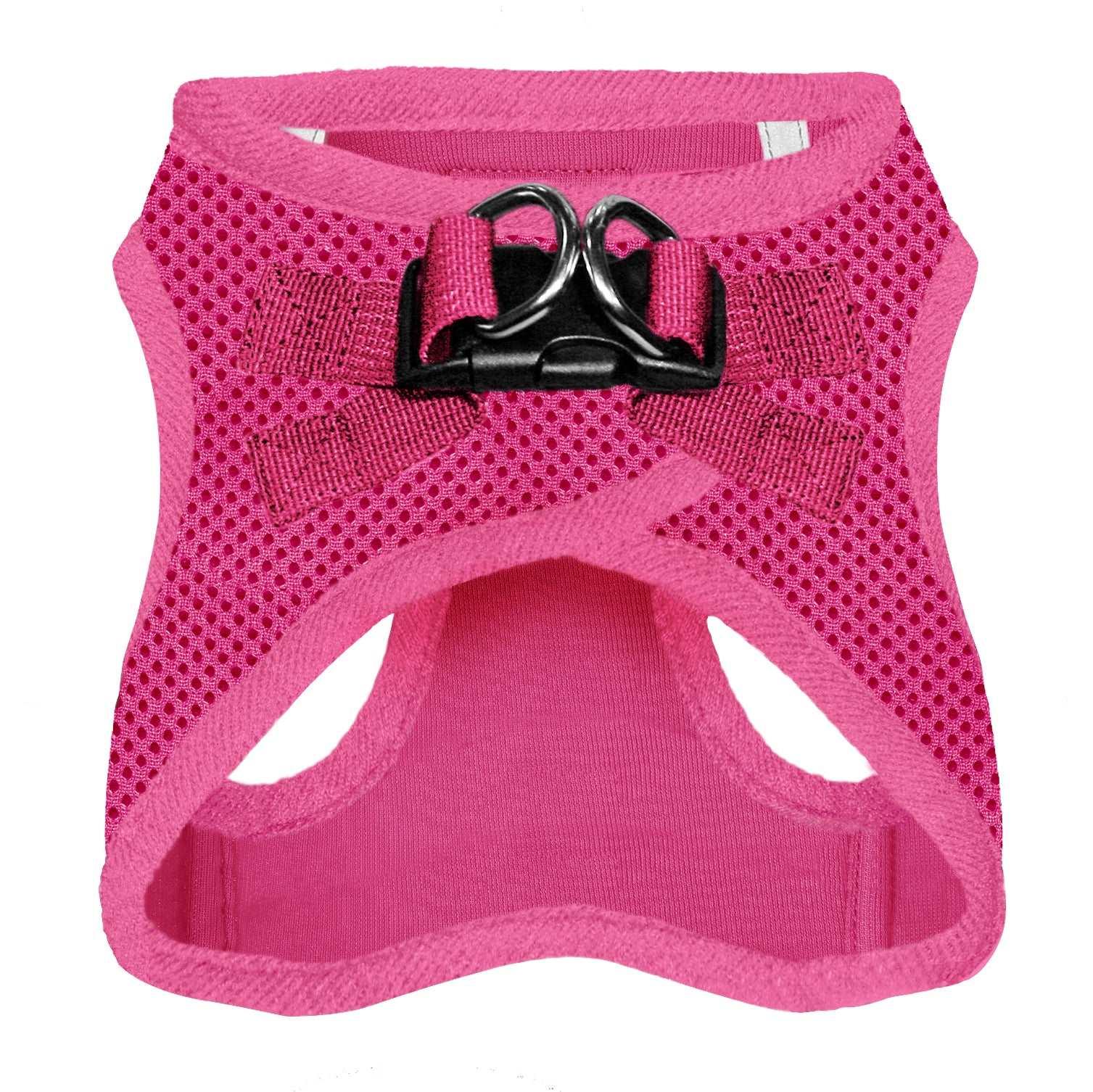
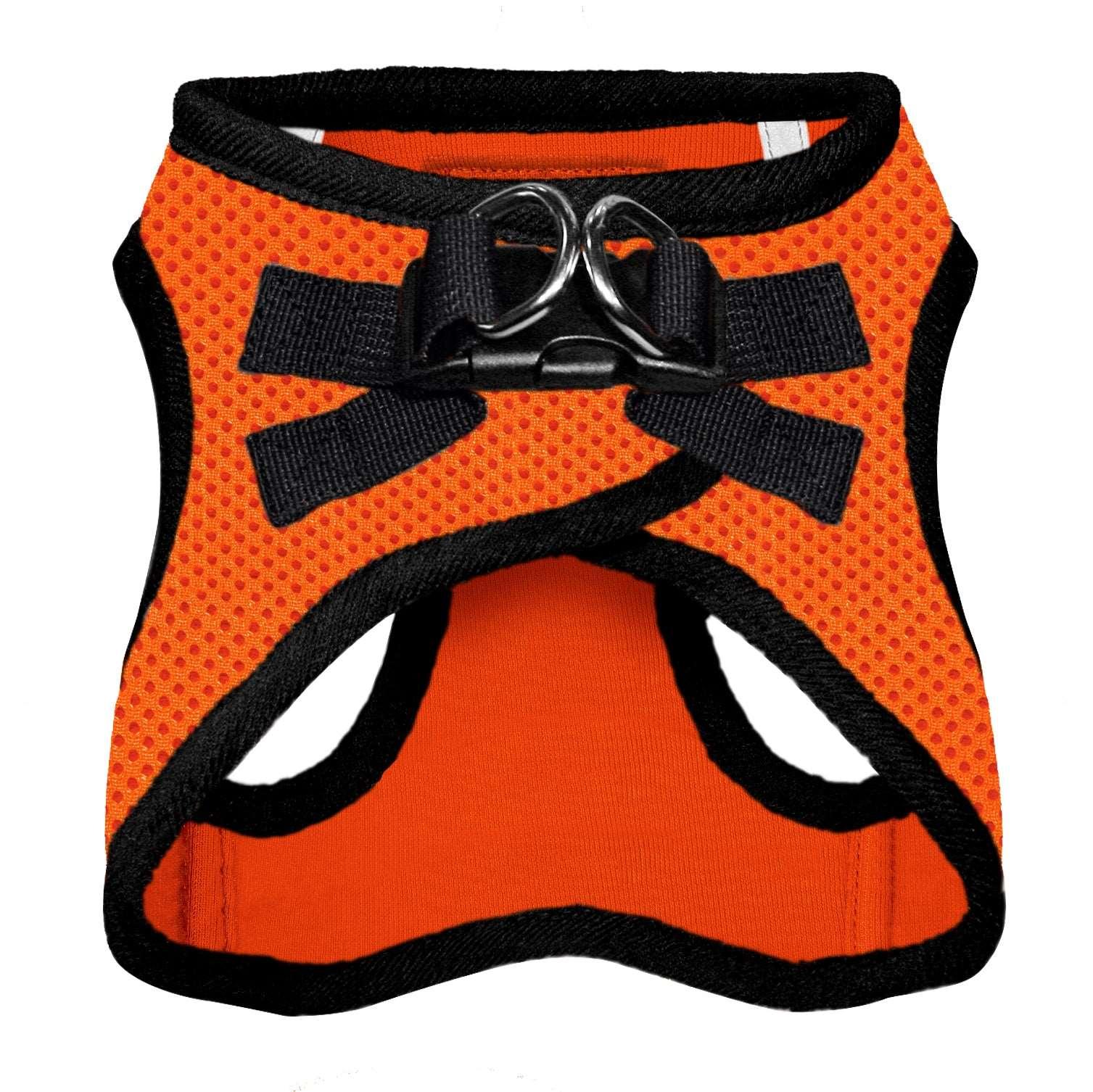
A step-in dog harness lets your dog walk into their gear rather than having it pulled over their head—a simpler, less stressful approach that most dogs accept much faster than traditional overhead harnesses. This design secures at the back with a reliable buckle, resting comfortably below the neckline. By focusing the control on the chest and shoulders, a step-in dog harness provides a secure fit that stays put during active movement, making it a favorite for both high-energy pups and those who are "head-shy".
What Are Step-In Dog Harnesses?
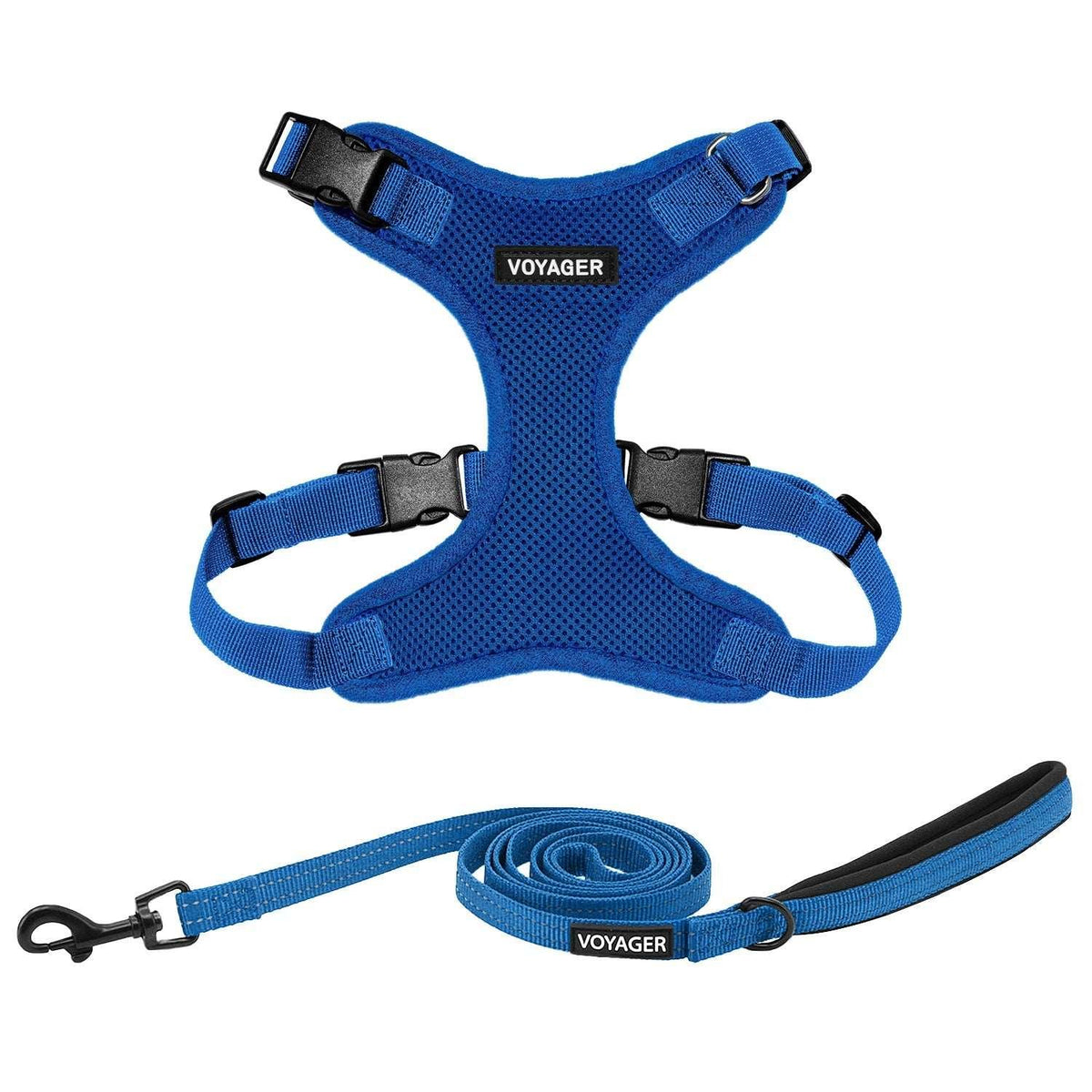
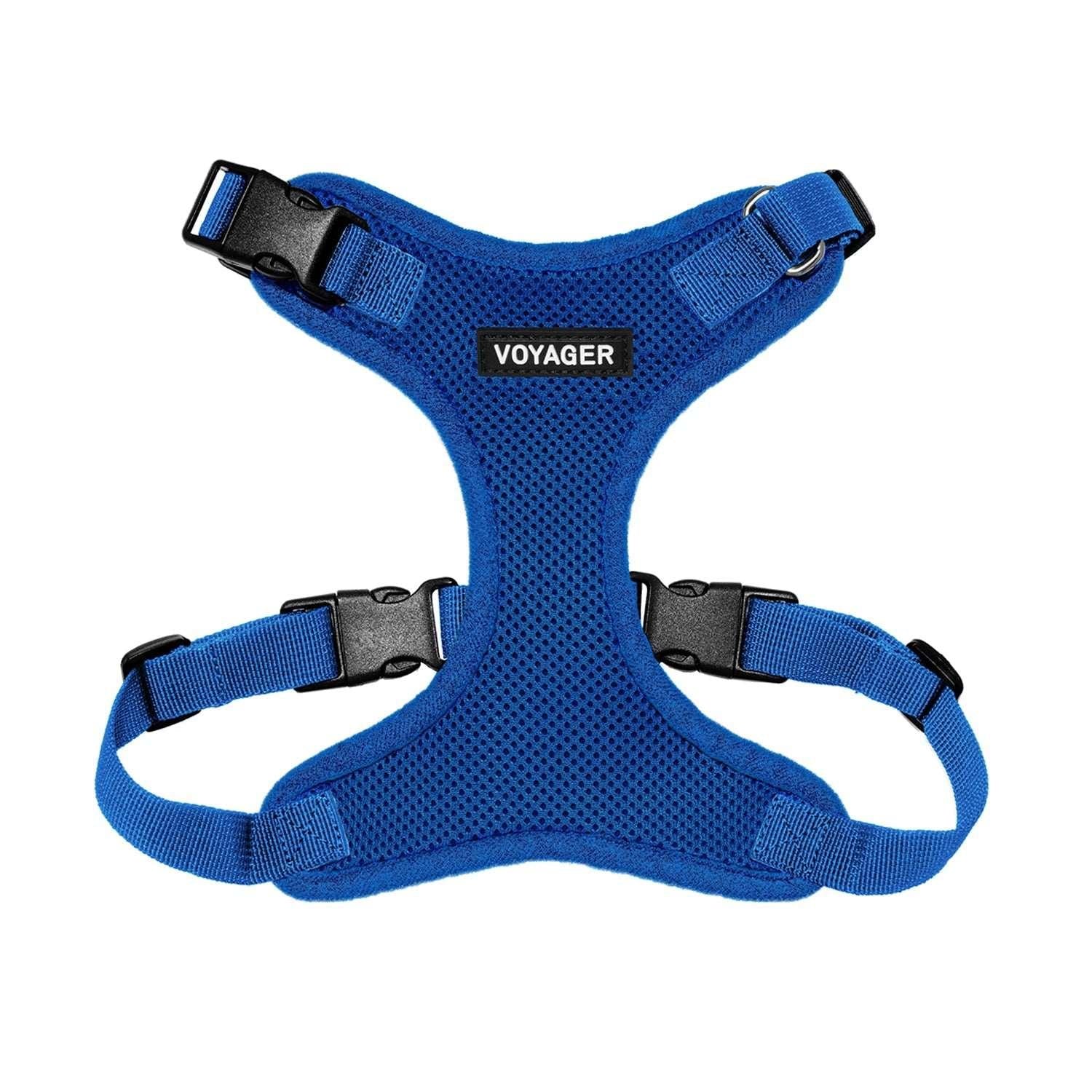
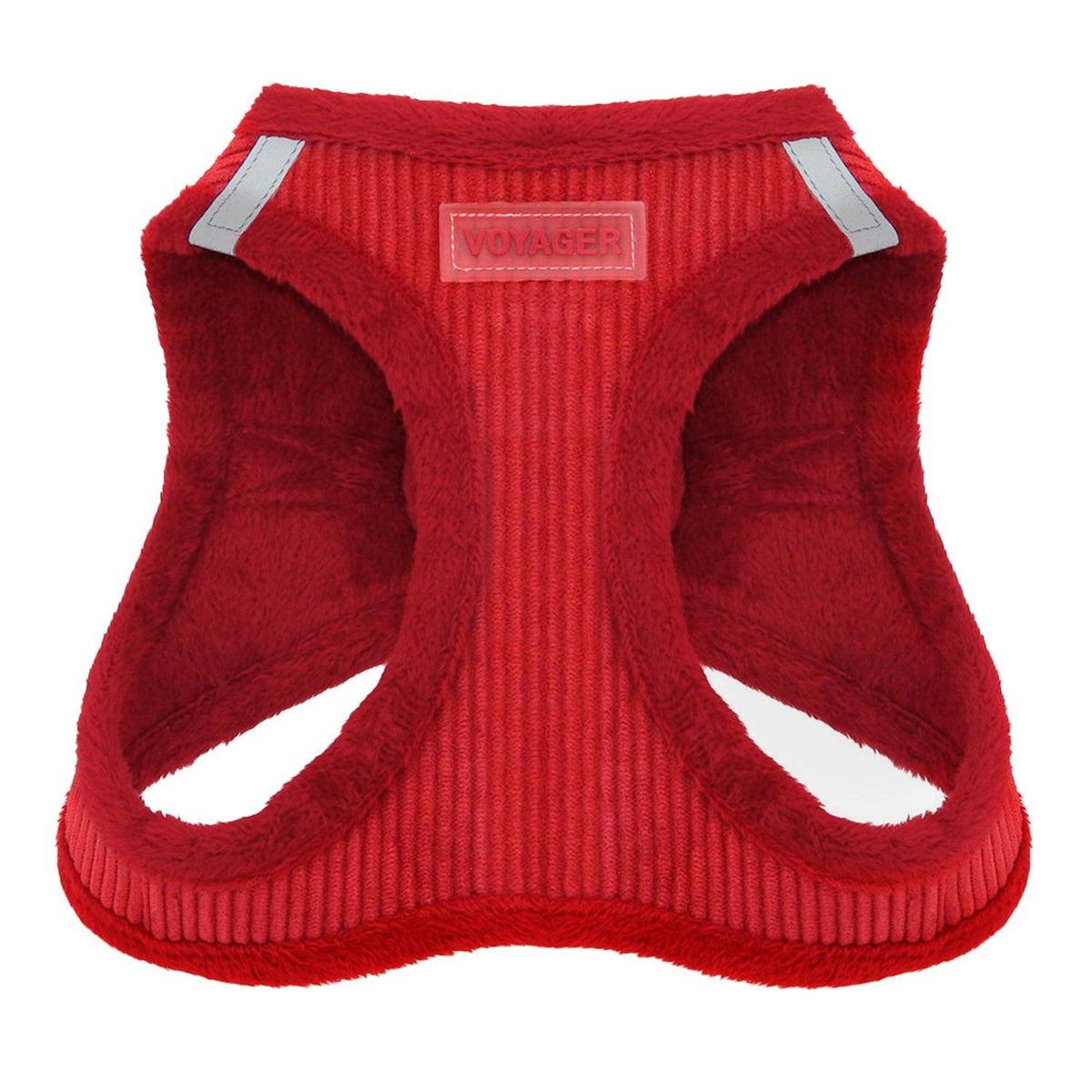
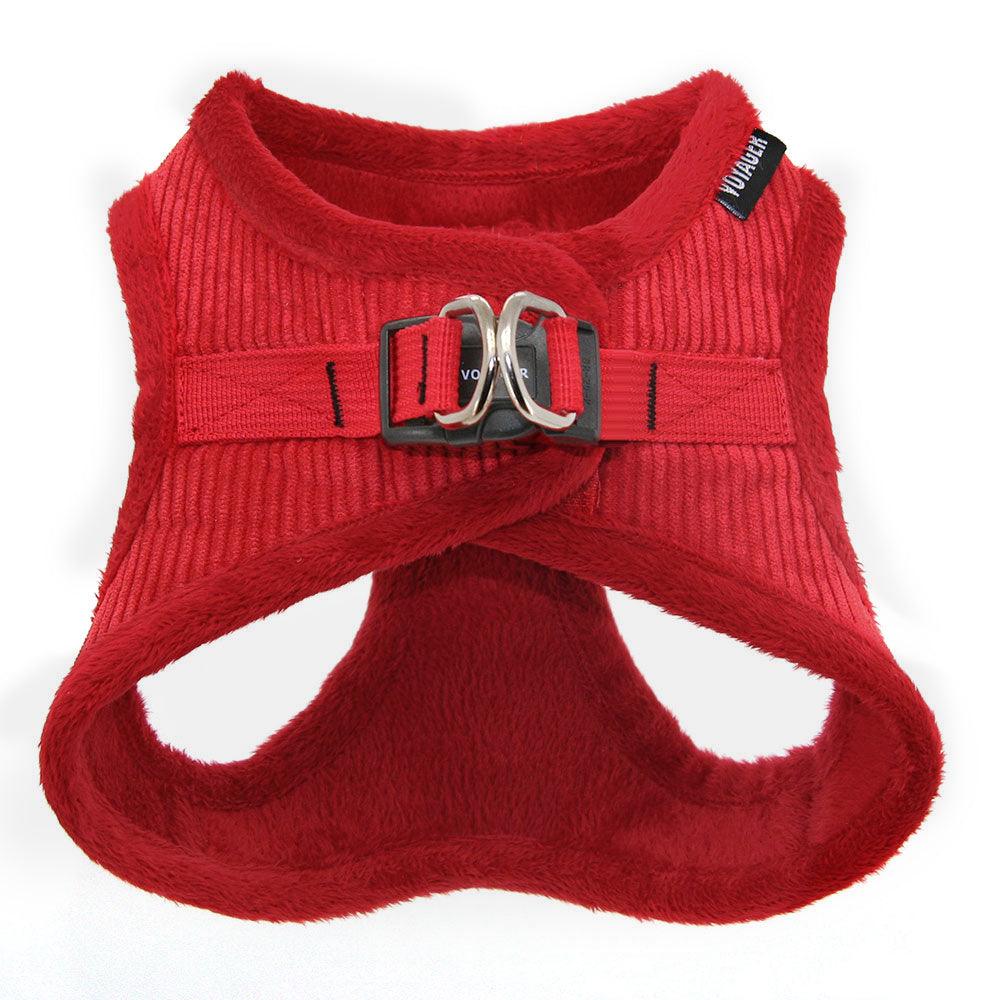
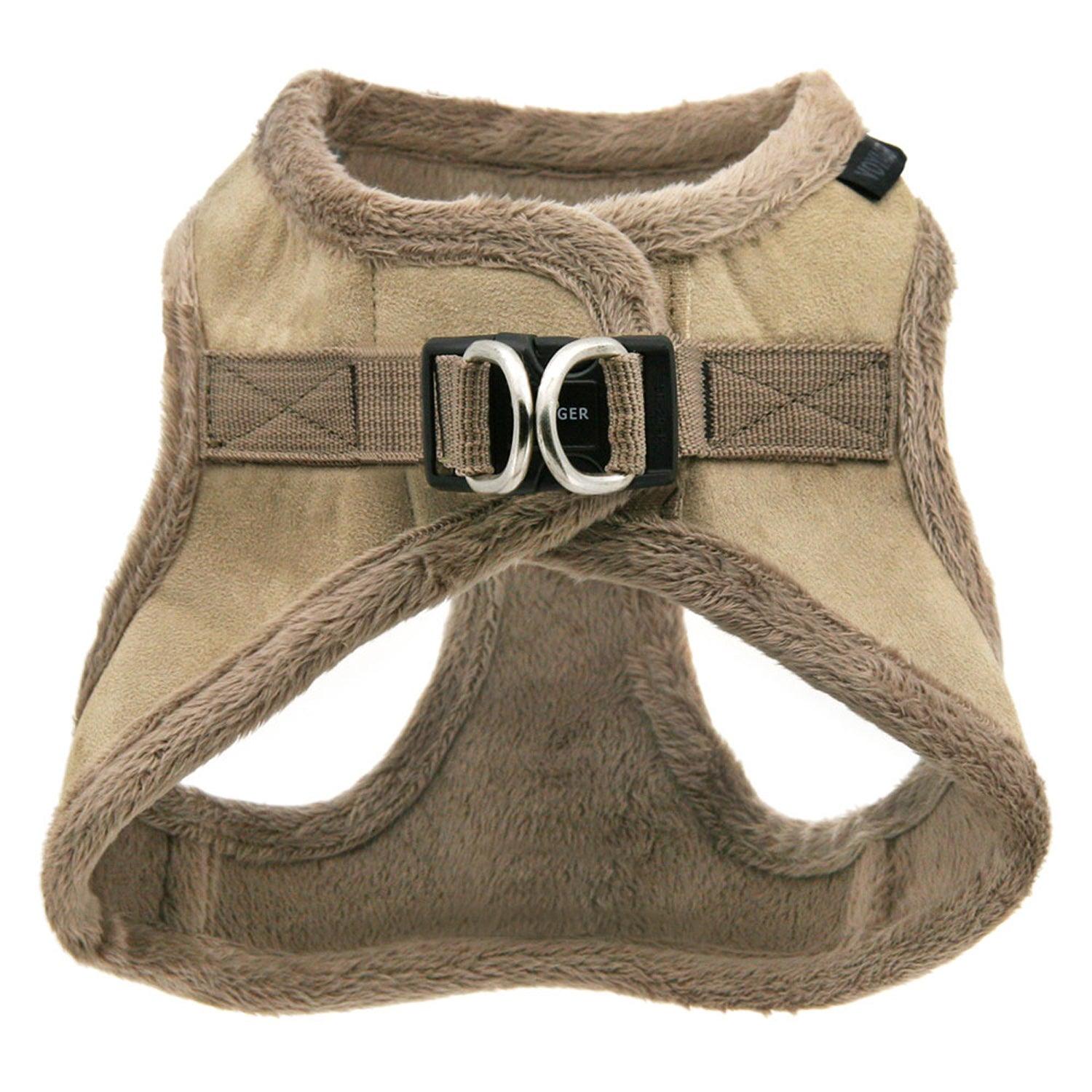
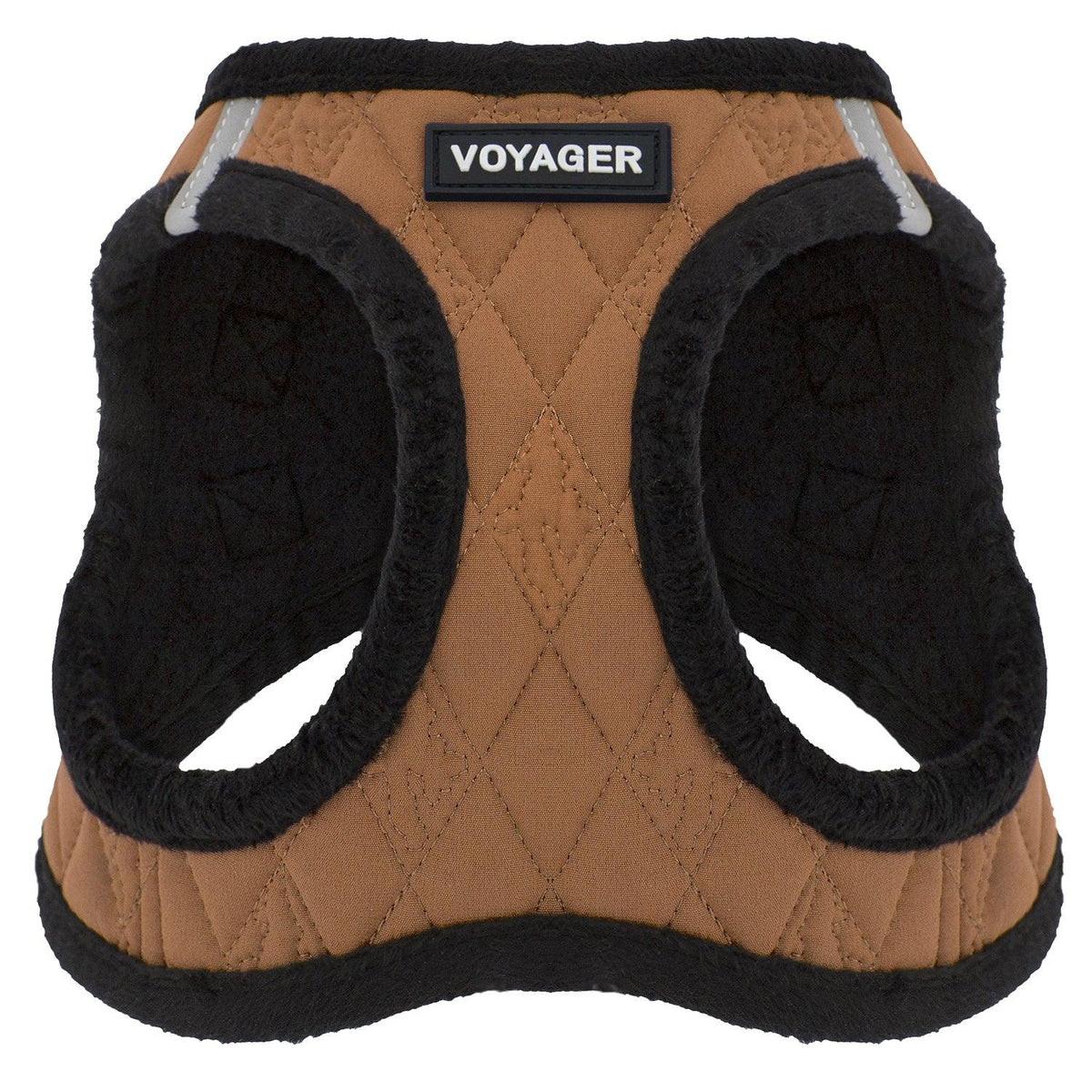
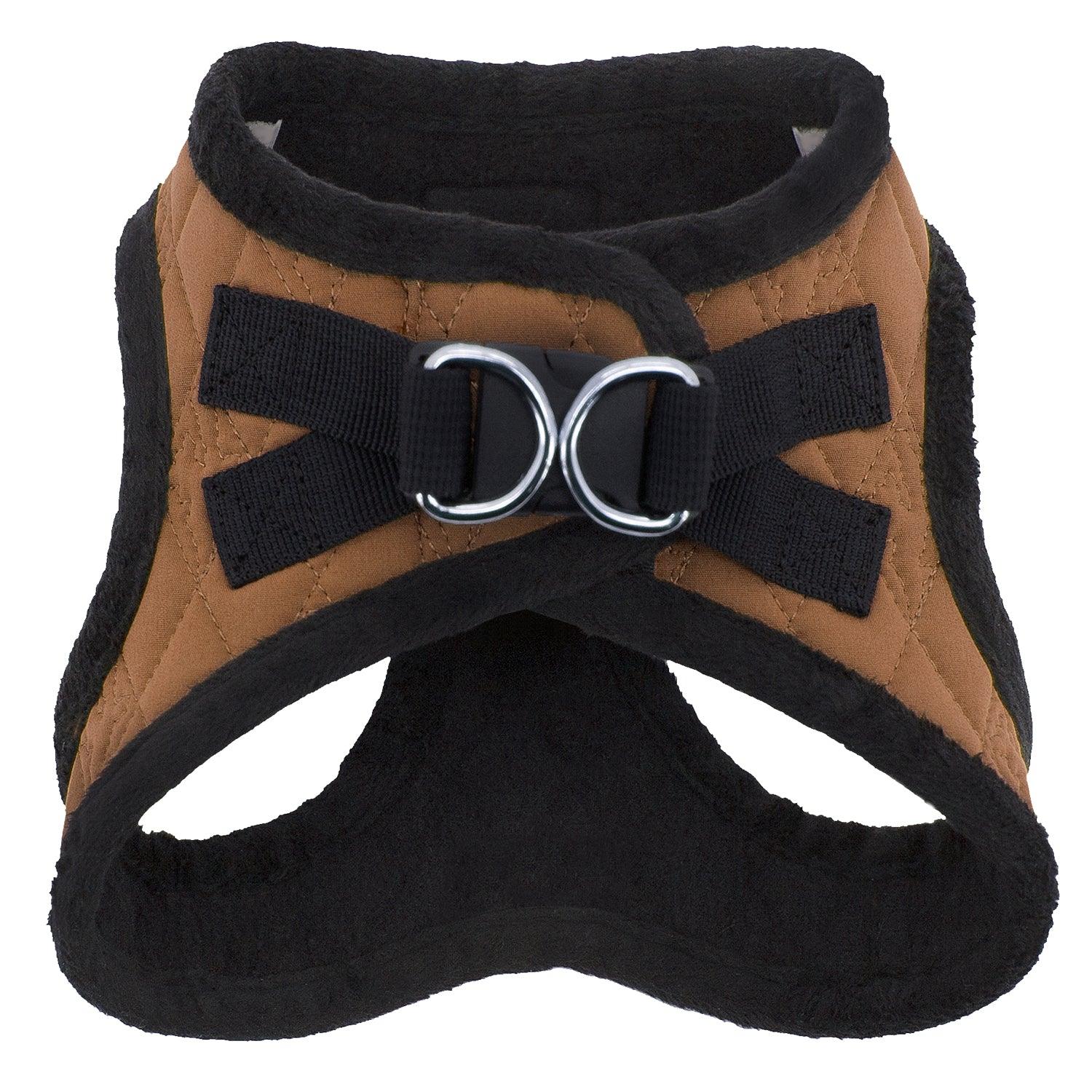
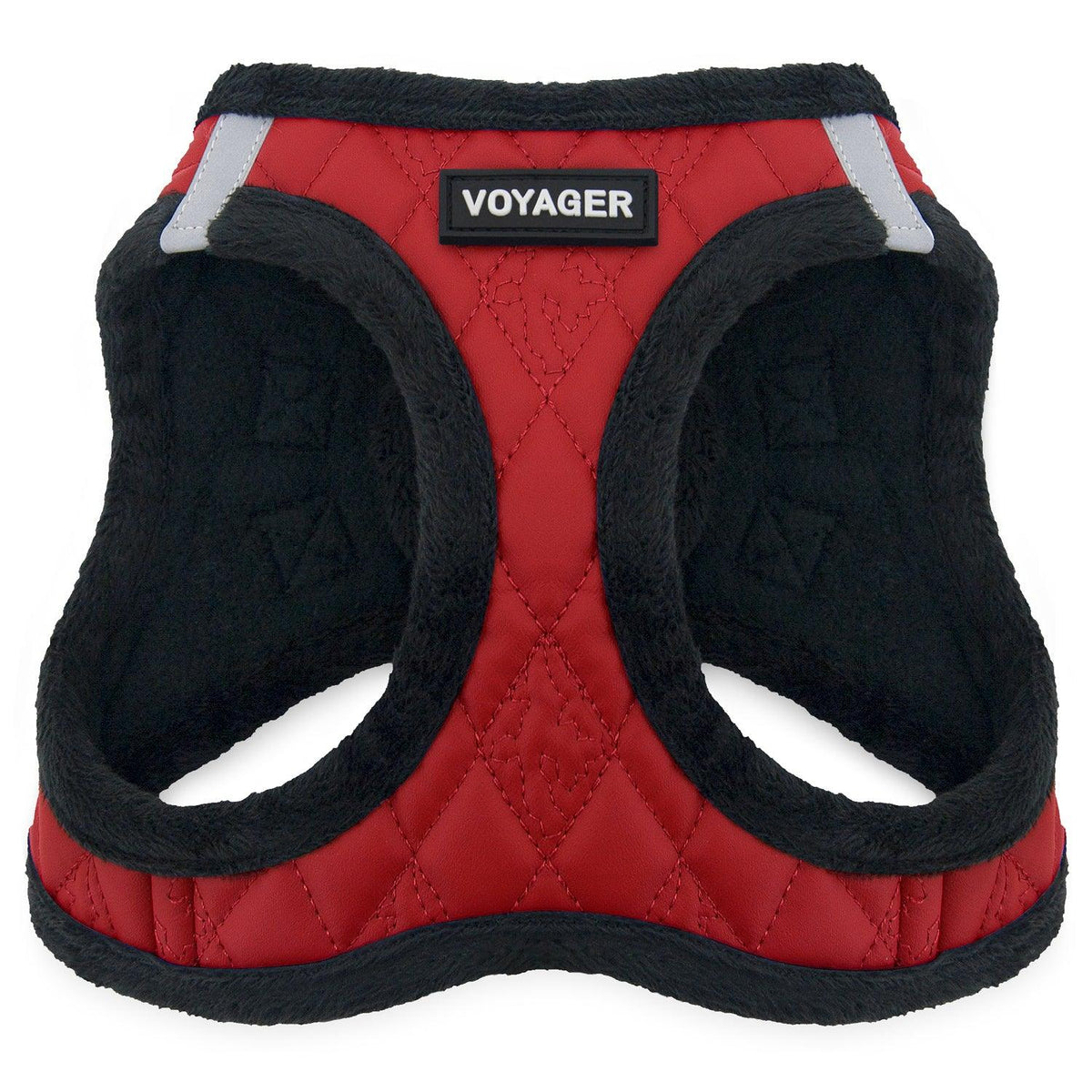
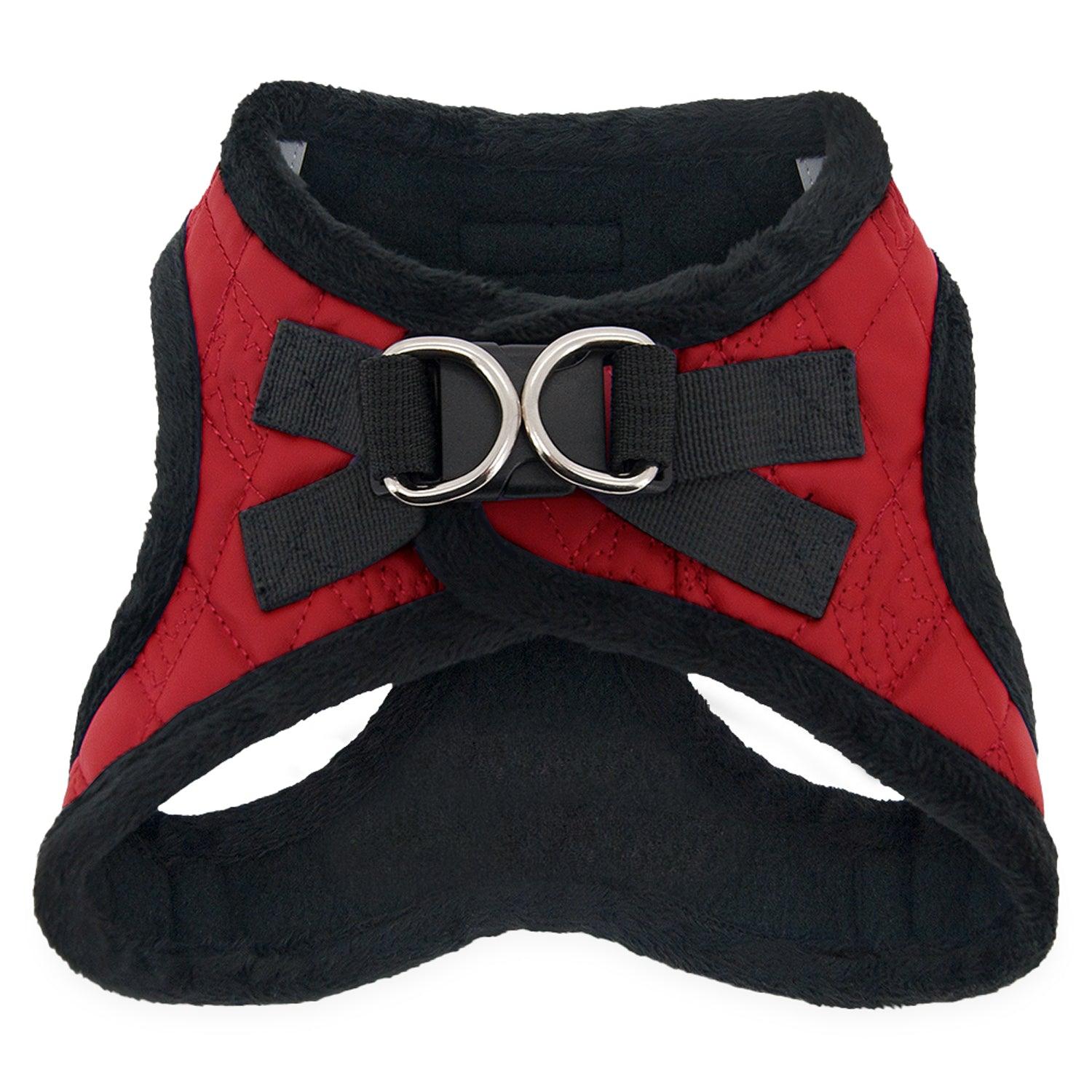
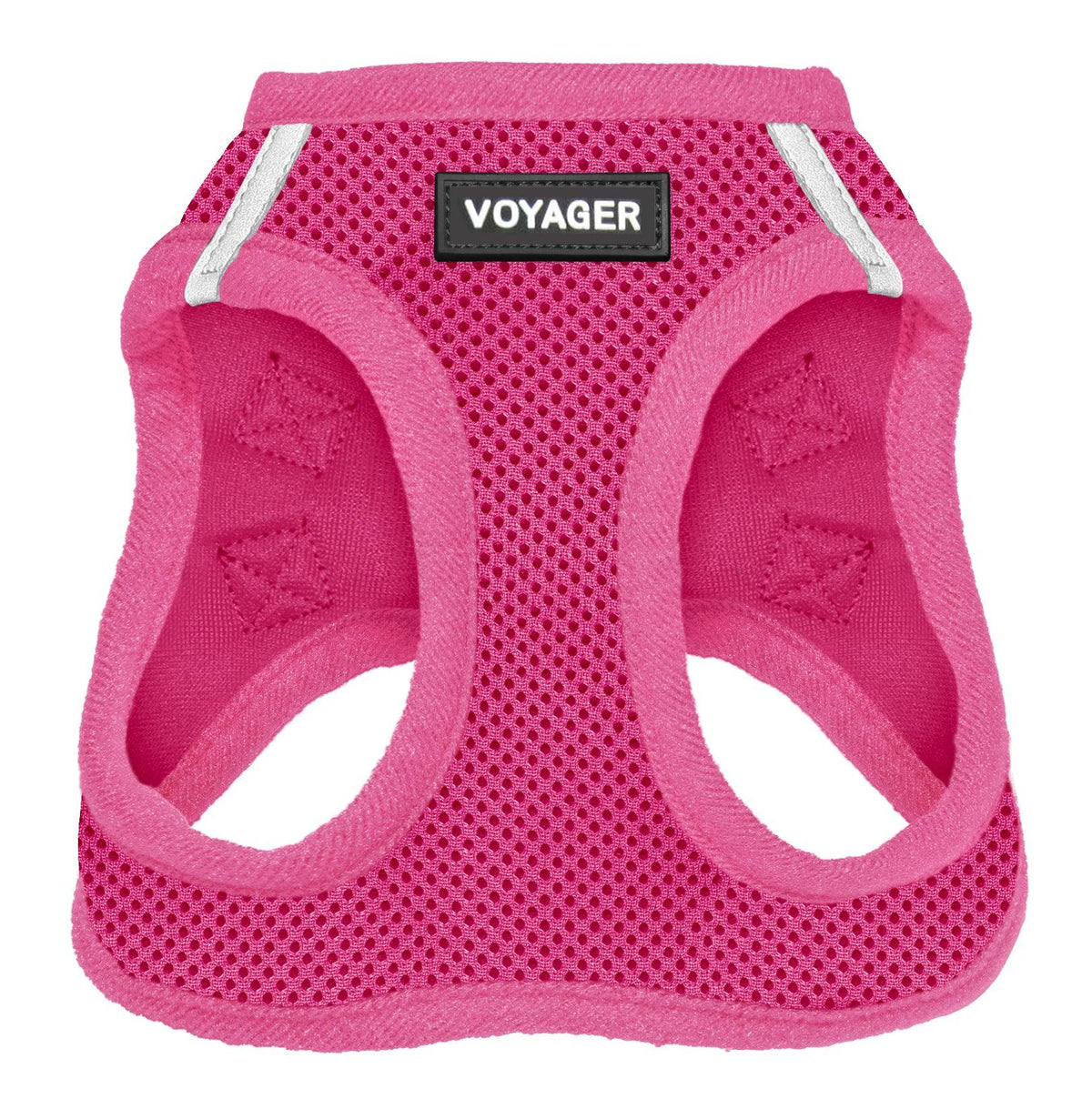
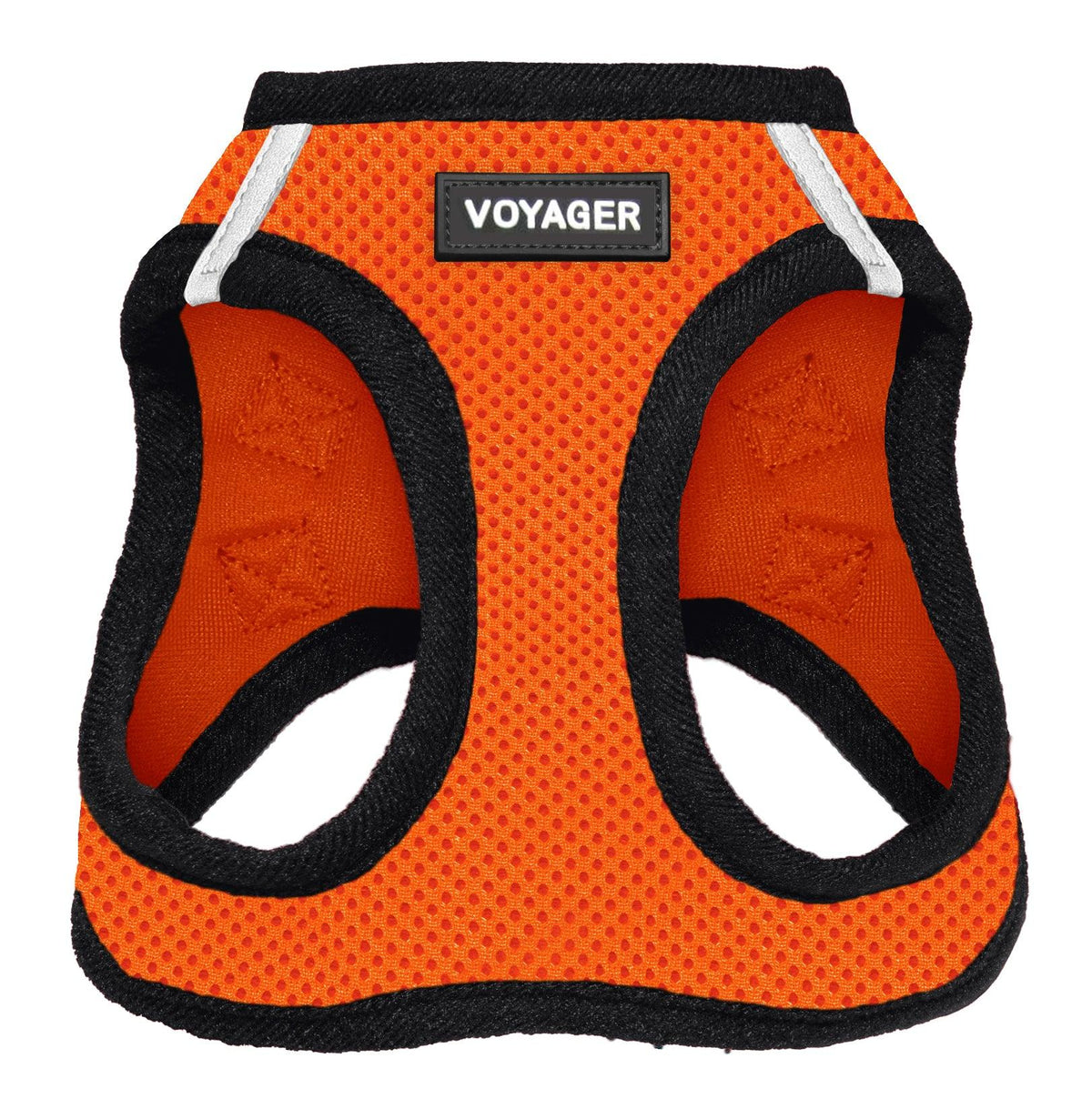
A step-in dog harness is a type of walking gear designed to eliminate the need for equipment to pass over a dog's face or ears. The mechanism is straightforward: the dog simply steps into two leg loops, and the harness is pulled up and secured at the back over the shoulders. Unlike traditional overhead harnesses, which can trigger a stress response in dogs sensitive to being handled near their eyes, the step-in dog harness offers a reduced-resistance entry. This design provides chest-based support, distributing pressure across the strongest part of the dog's frame to ensure comfort and security.
Why a Step-In Dog Harness Is Easier for Dogs
If your dog ducks their head or backs away when they see their gear, it is usually because of the "overhead resistance" that traditional harnesses require. Handling a dog’s face and ears can trigger a minor stress response, making the walk start on a tense note.
The step-in dog harness changes the dynamic. Because there is no equipment moving toward their face, most dogs accept the gear much faster. The cause-and-effect is simple: less handling near the head leads to a calmer, more cooperative dog. This design moves the physical contact to the feet and back—areas where most dogs are far less sensitive—allowing for a stress-free transition from the living room to the sidewalk.
Key Features of a Step-In Dog Harness
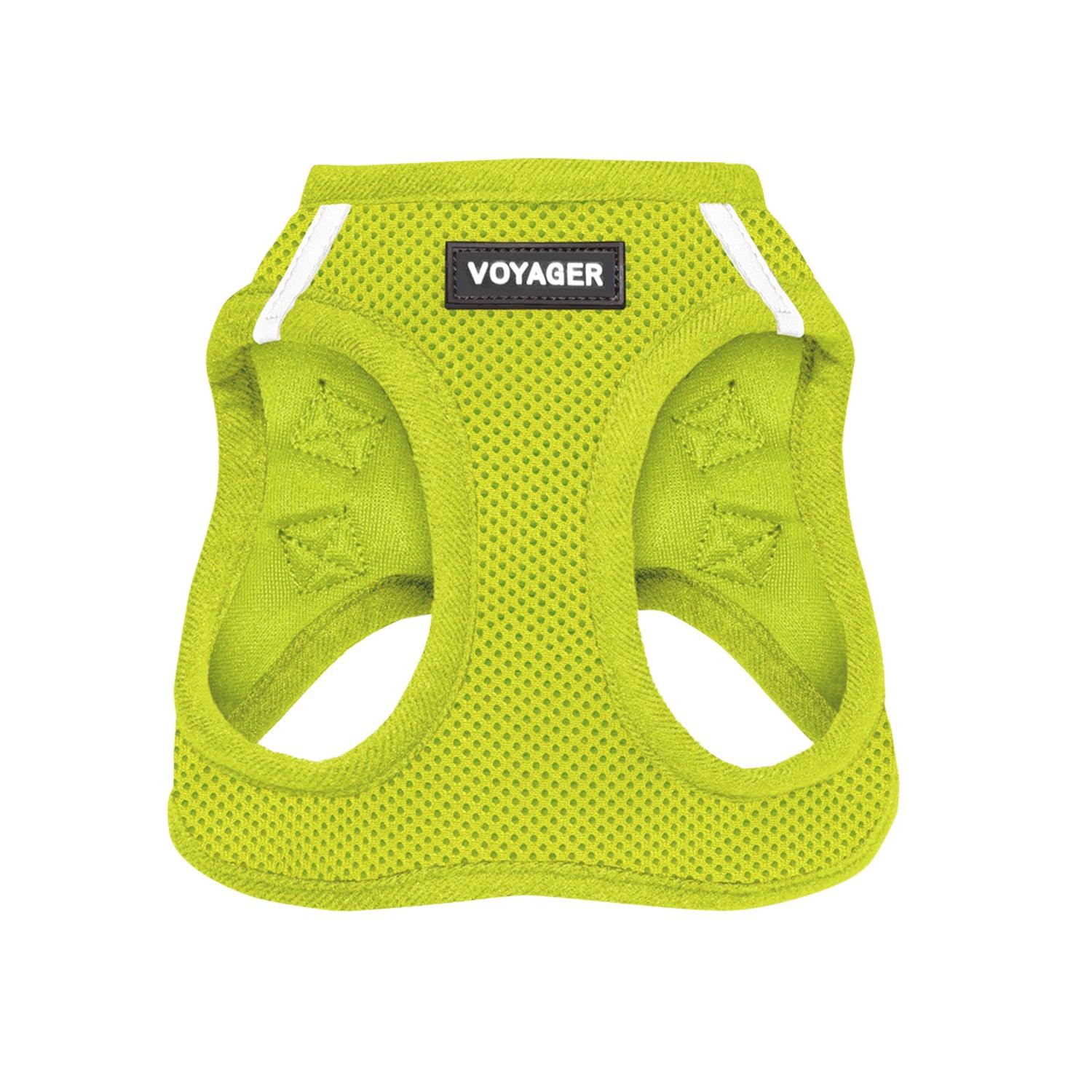
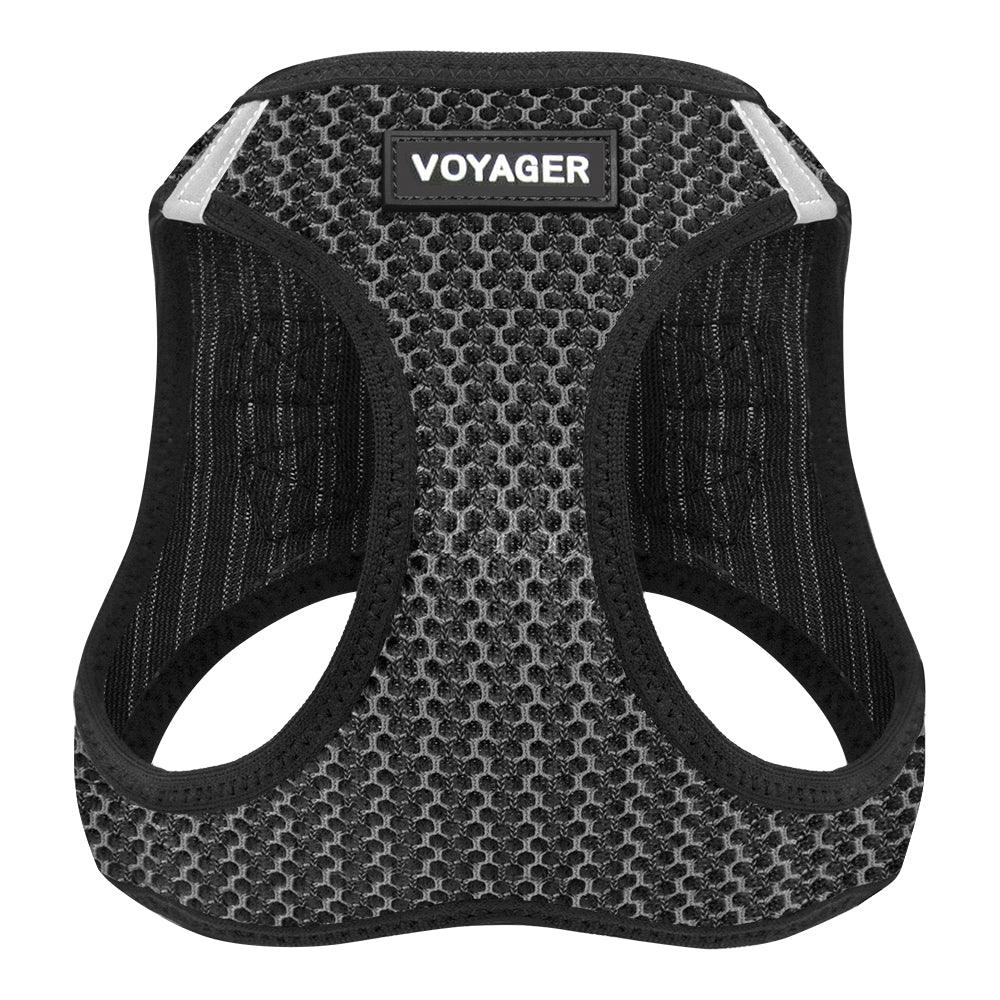
- Lightweight, breathable mesh reduces bulk and prevents overheating on summer walks.
- Chest-based pressure distribution eliminates the choking sensation common with collars by moving the leash attachment point to the back and spreading force across the chest.
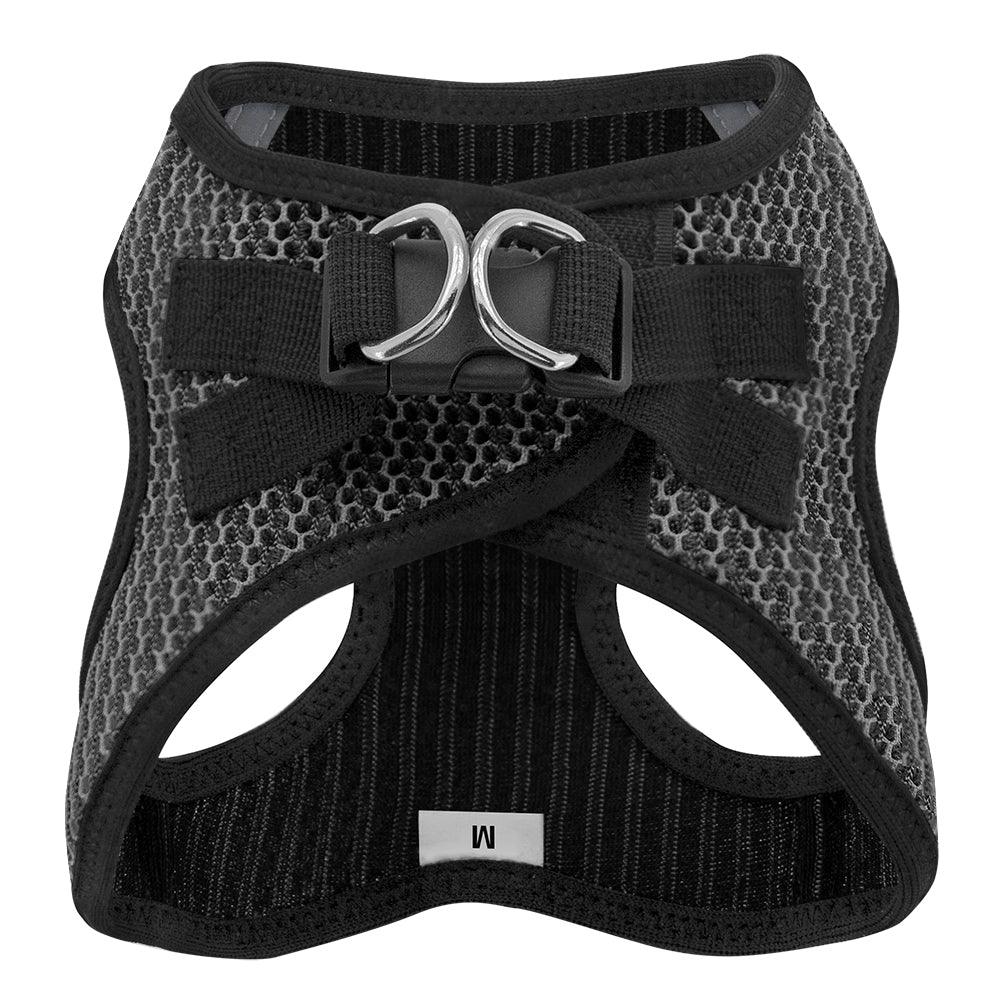
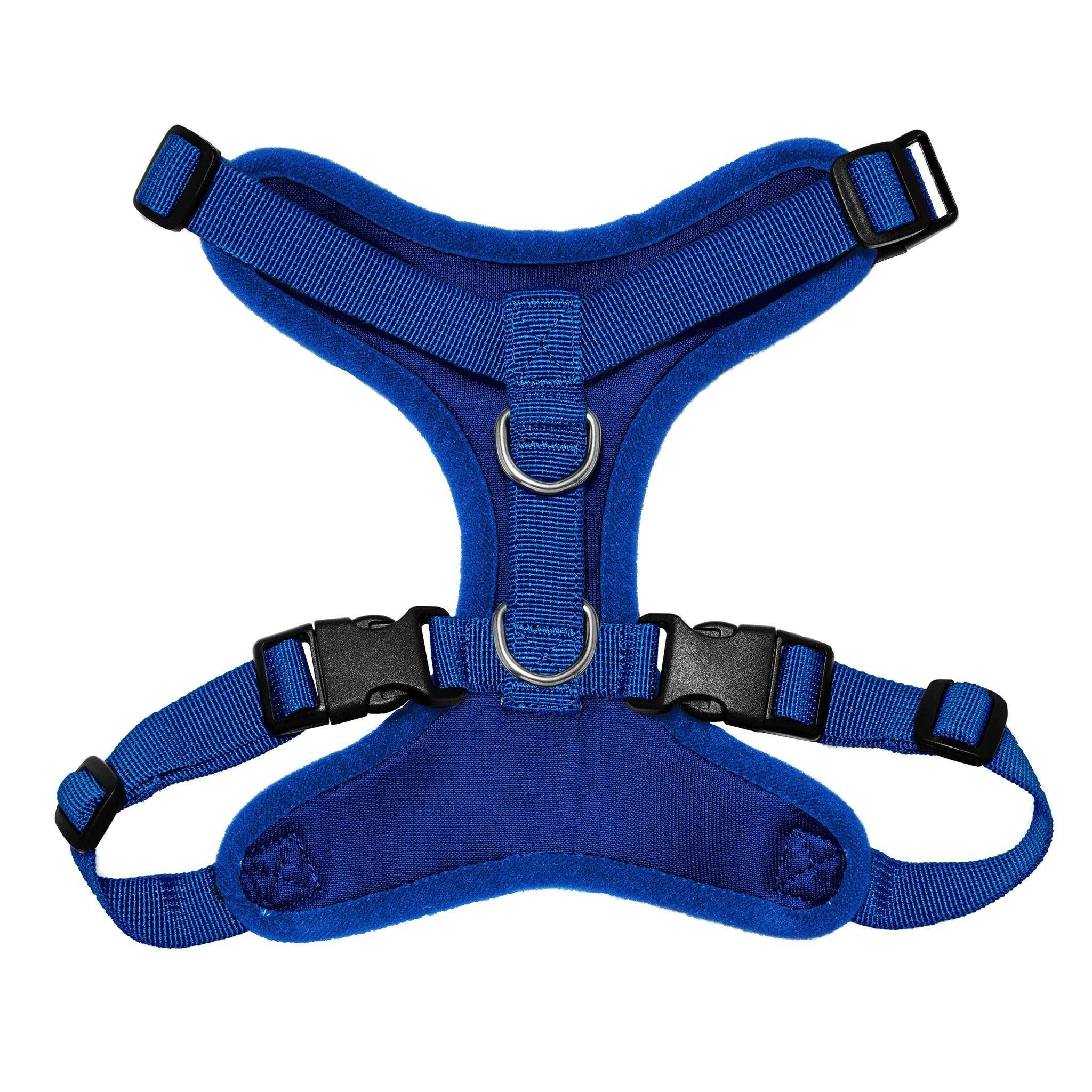
- Secure buckle and hook-and-loop closures ensure the harness stays centered and stable, even if your dog suddenly lunges.
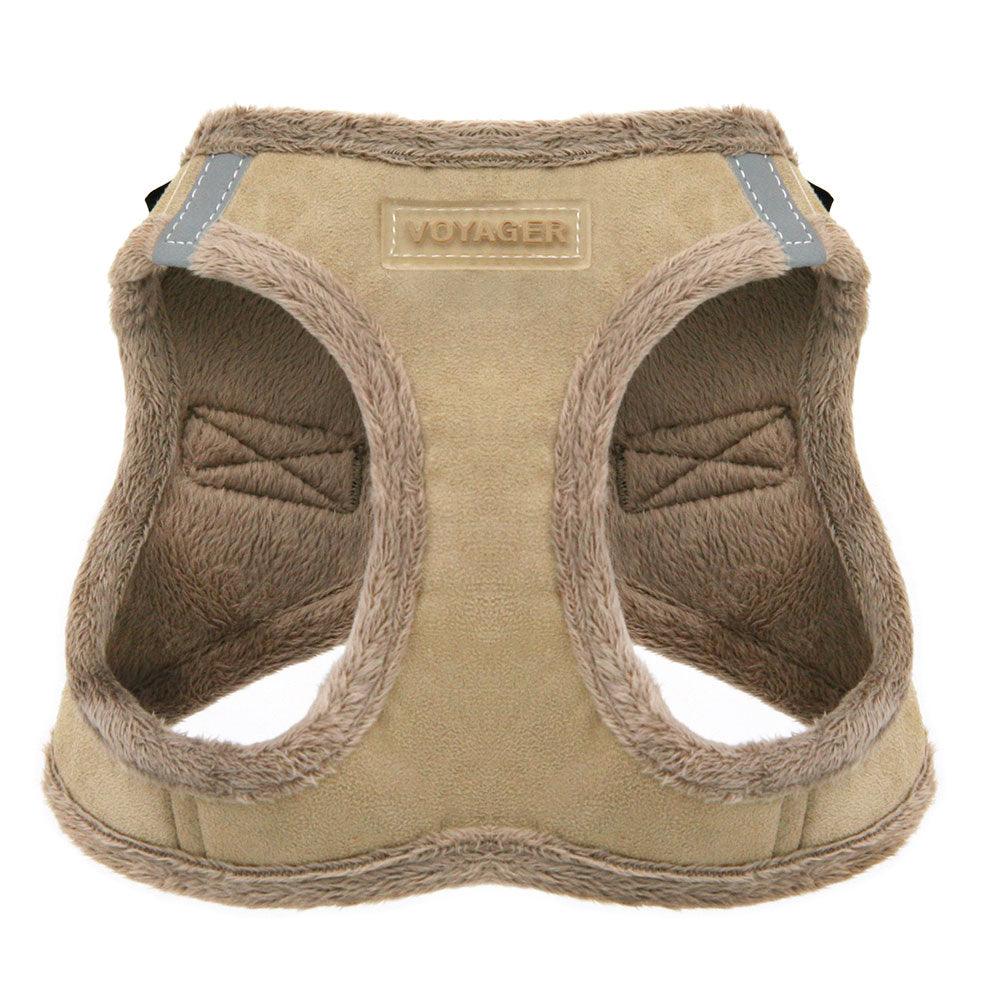
- Padded edges prevent armpit chafing that can happen with cheaper, stiff-webbing designs.
Step-In Dog Harness: Safety and Control Benefits
Beyond comfort, a step-in dog harness offers specific safety outcomes that a standard collar simply cannot provide.
- Reduced Neck Strain: Because the harness sits below the throat, the risk of pressure on the neck and throat is significantly reduced. This is especially vital for small breeds and dogs prone to respiratory issues.
- Predictable Leash Control: When you have a secure point of contact on the back, your dog’s center of gravity is easier to manage. This makes it much harder for them to "twirl" out of your grip or back out of their gear when startled, giving you more consistent control in high-traffic urban environments.
Who Benefits Most from a Step-In Design
- Dogs with Large Heads or Sensitive Ears: Breeds like Bulldogs or those with upright ears often find over-the-head styles painful or annoying.
- Small and Toy Breeds: These dogs have delicate necks that require the gentle pressure distribution of a chest-based design.
- Young Puppies: The step-in design reduces handling resistance, which can make early leash introduction calmer.
Types of Step-In Dog Harnesses
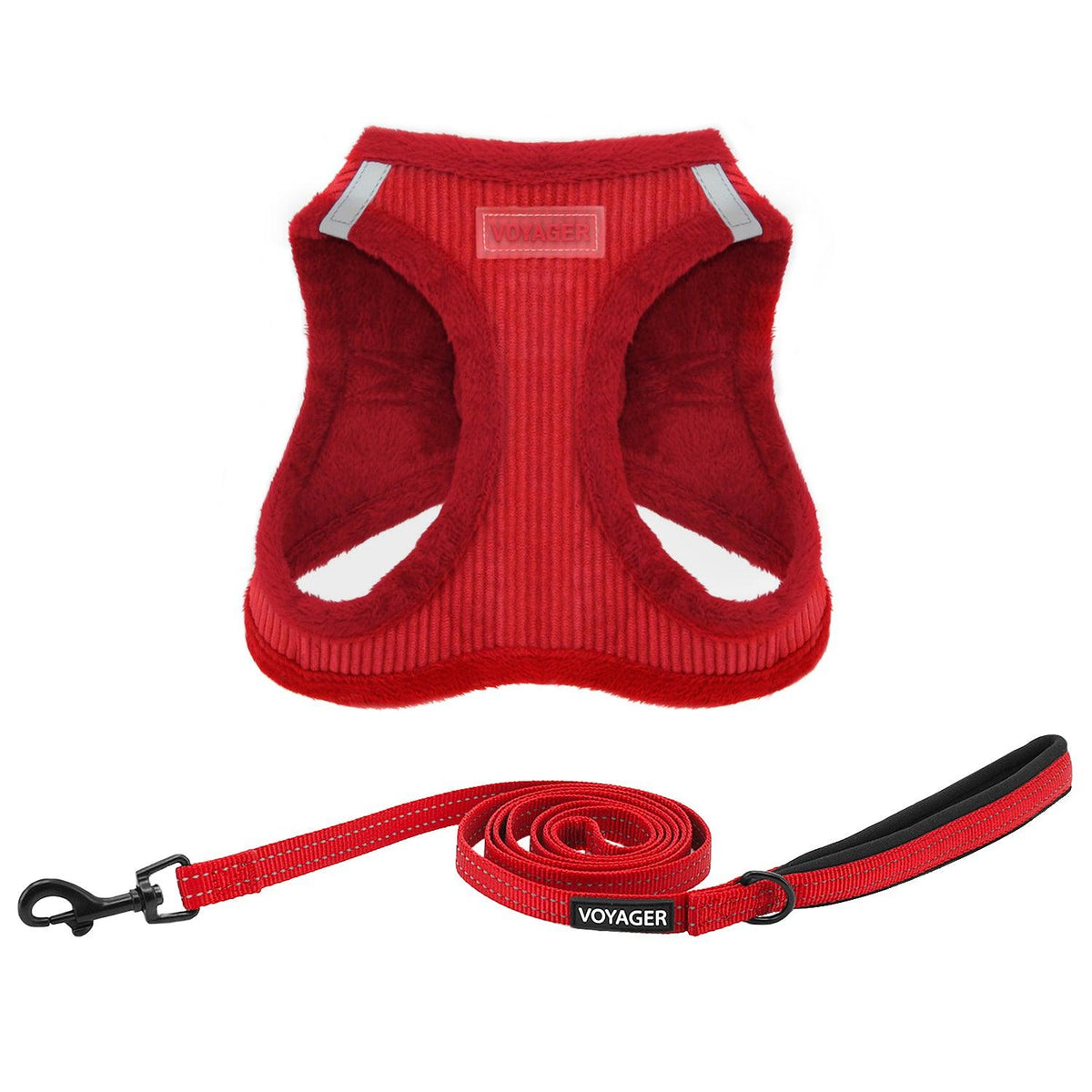
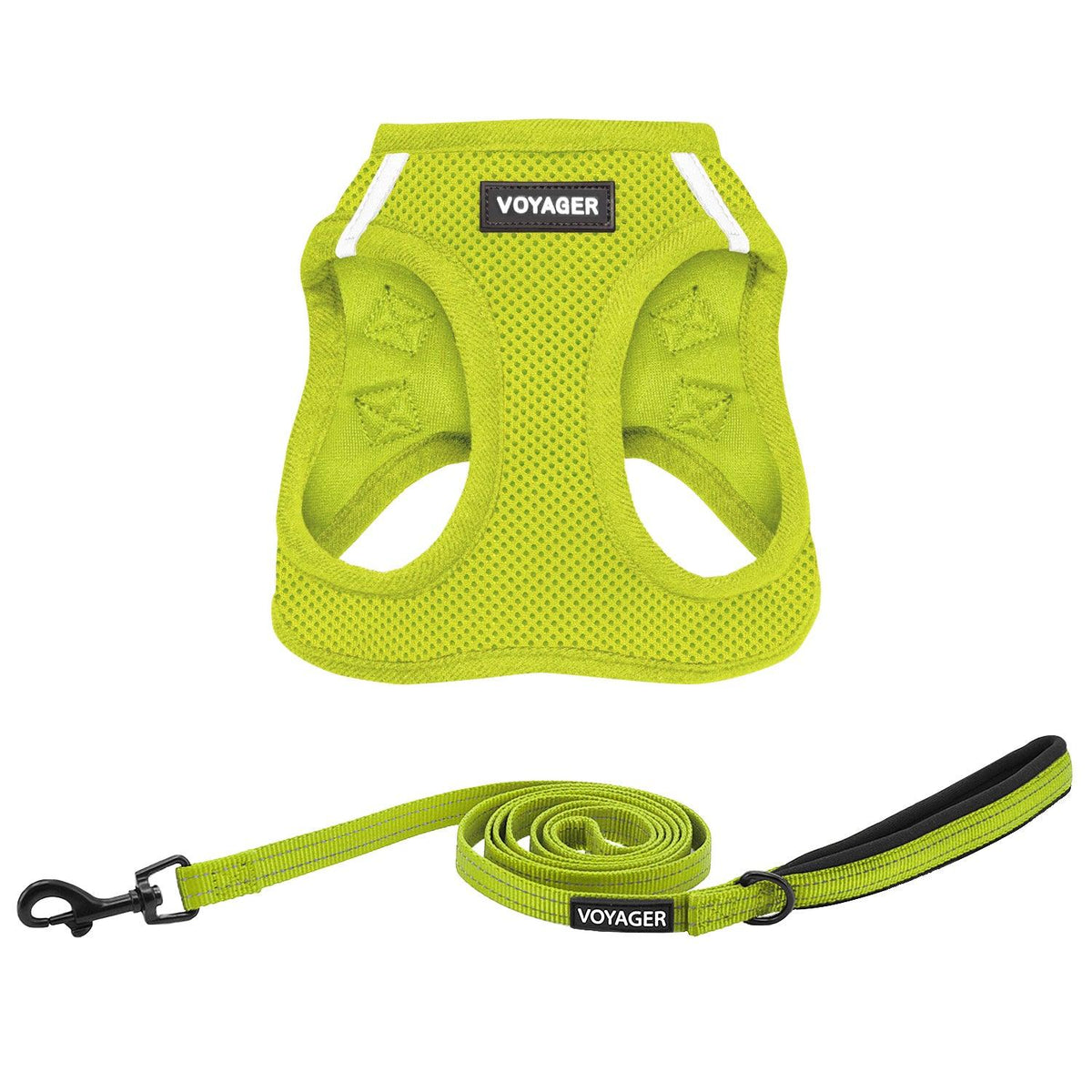
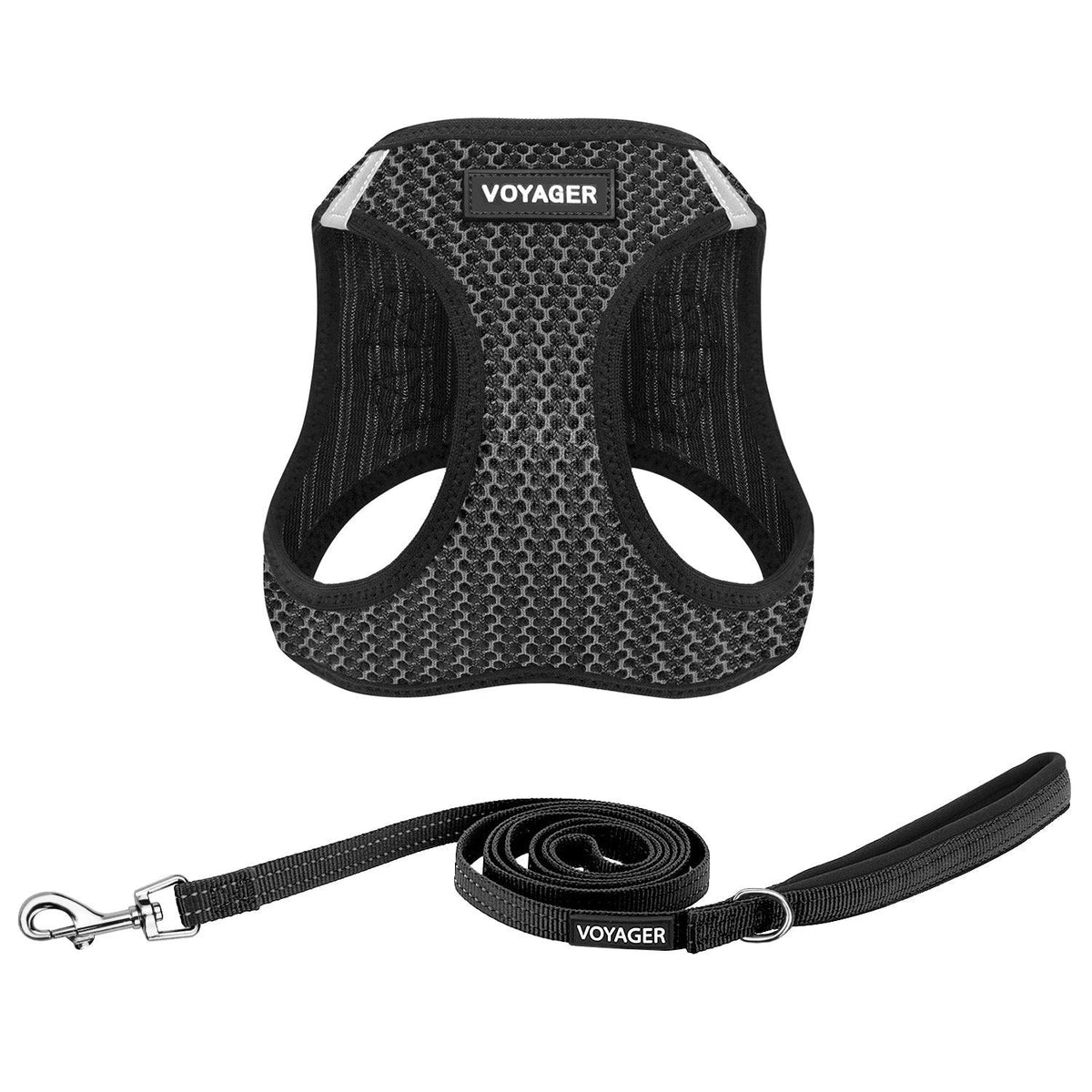
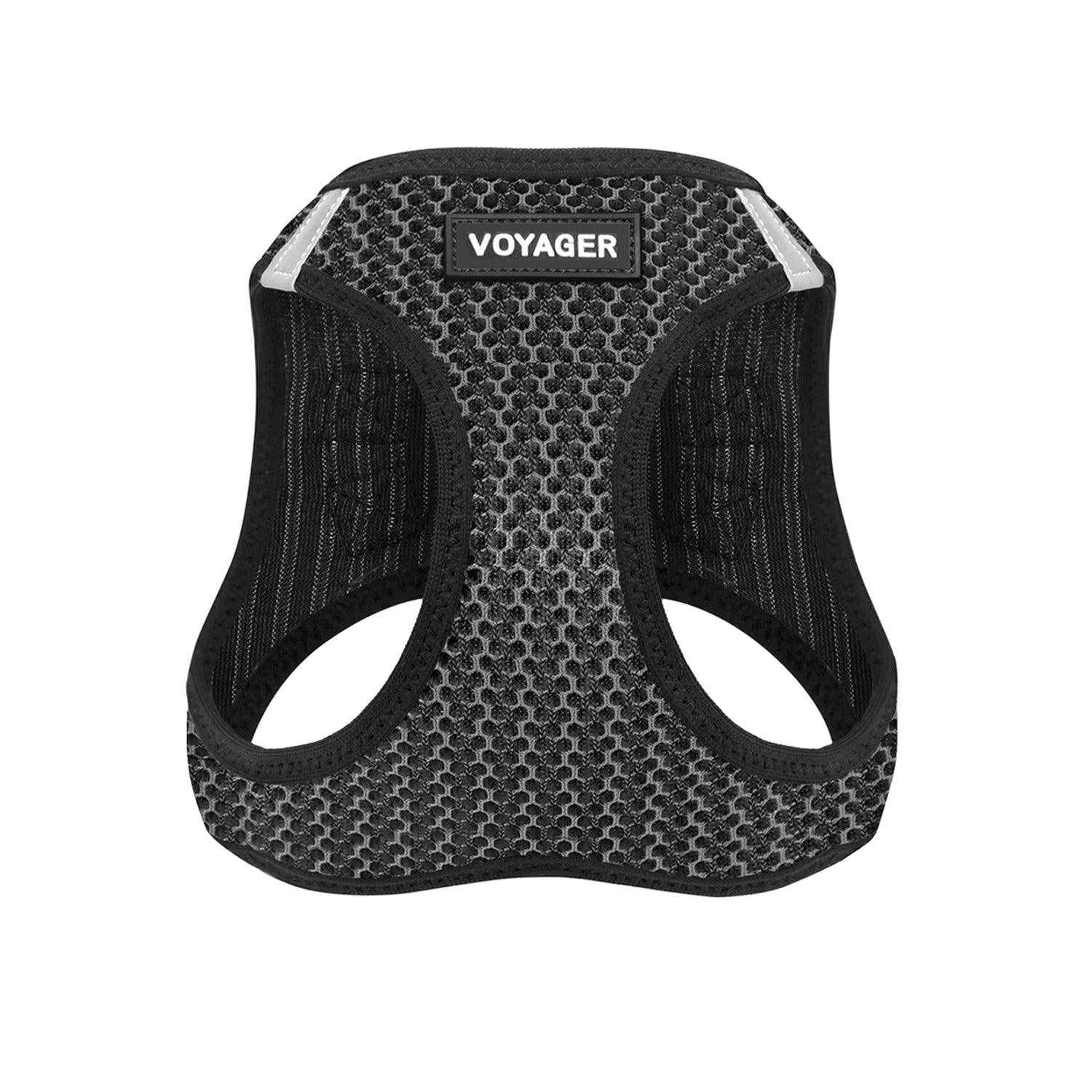
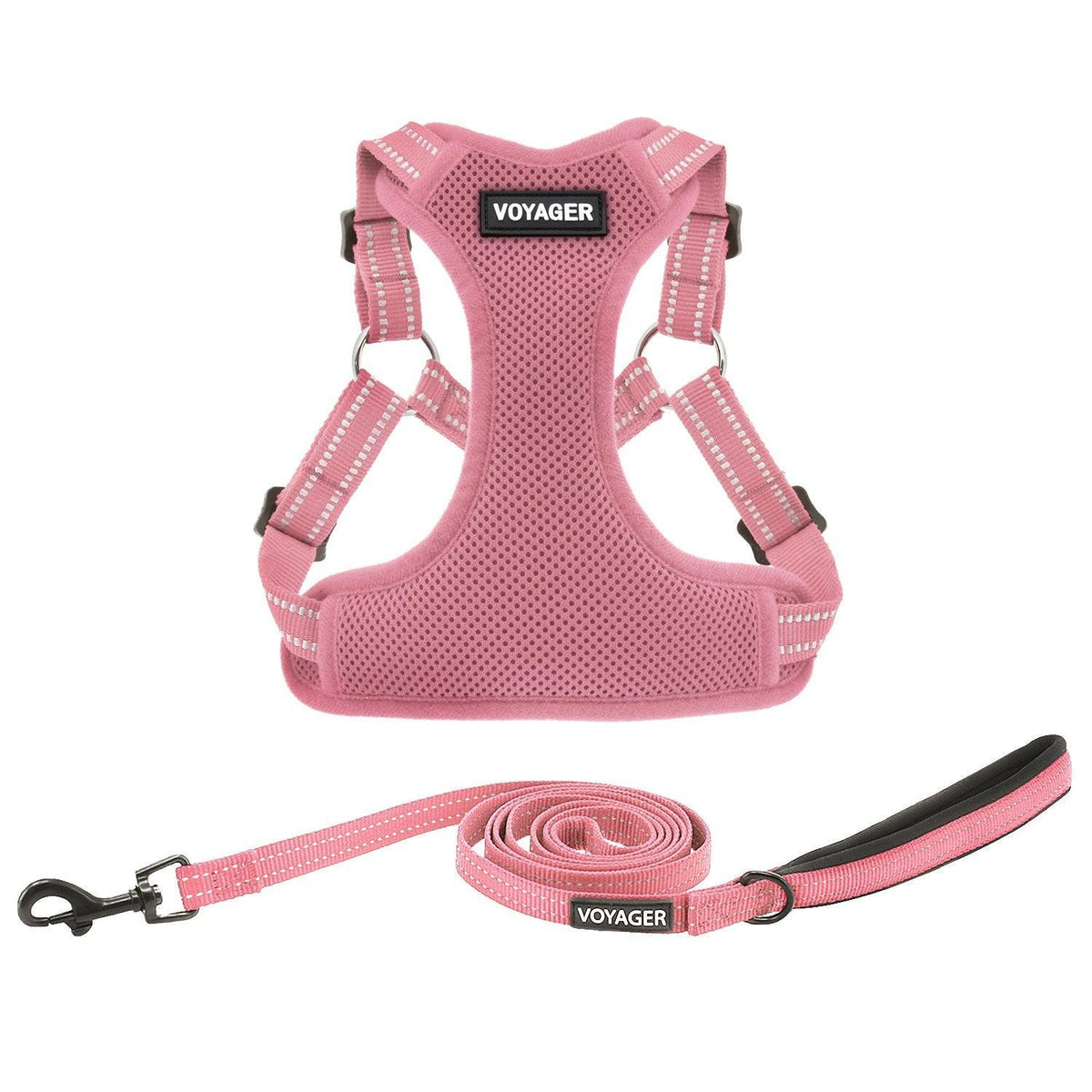
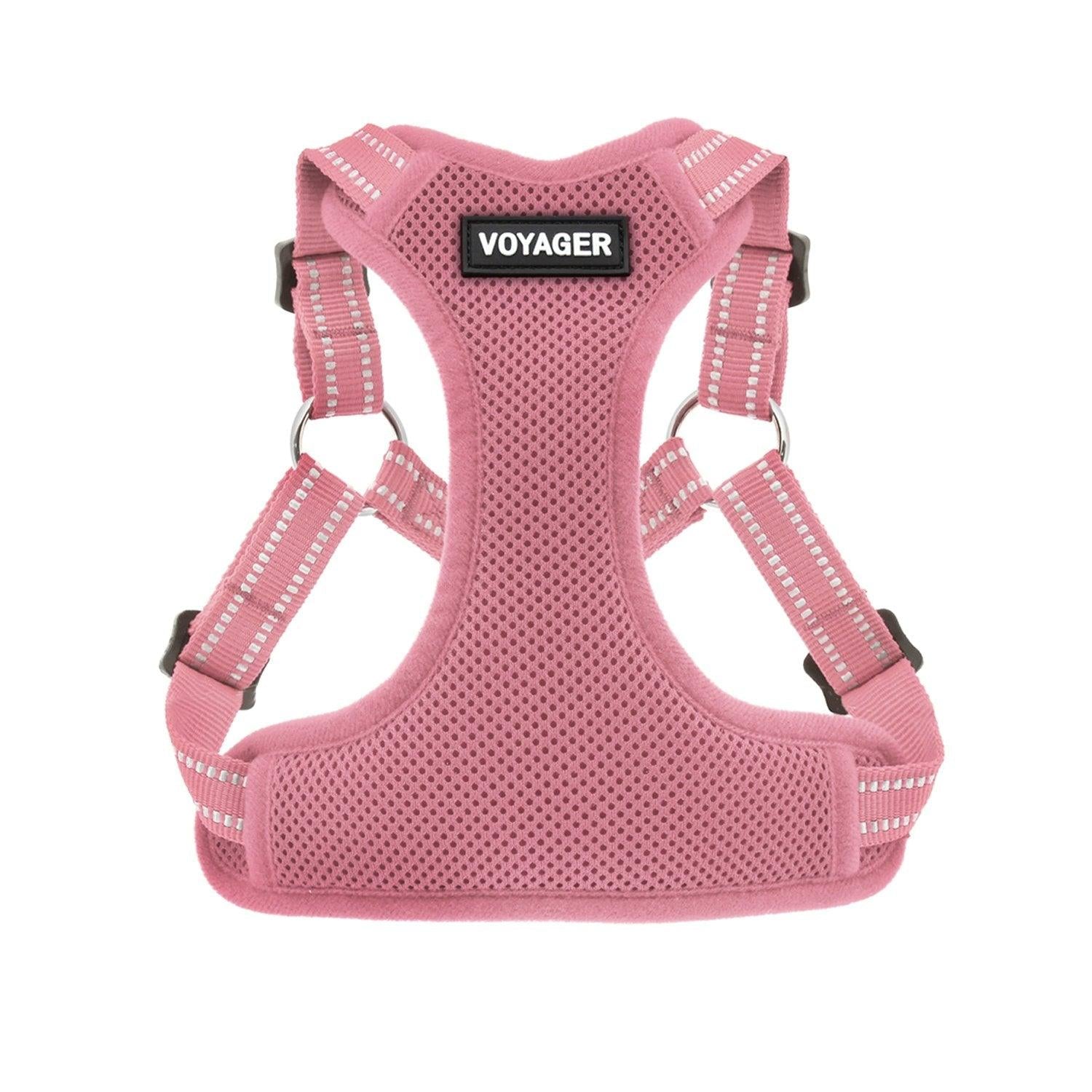
If you live in a humid climate or have a dog that loves to run, a lightweight step-in dog harness made of air mesh is the standard choice. It allows for maximum airflow and dries quickly if it gets damp.
Best for: Warm climates, active dogs, or dogs that run hot.
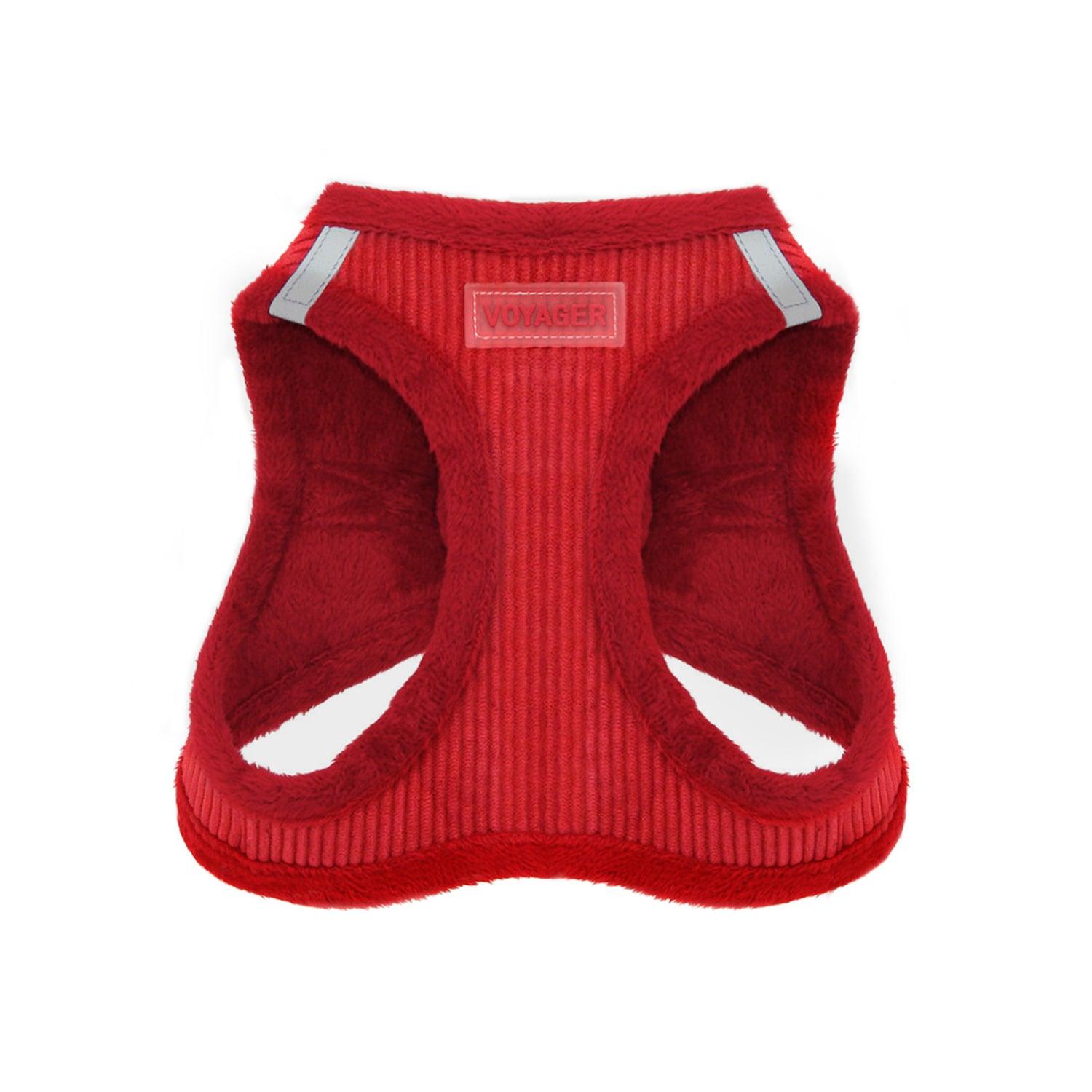
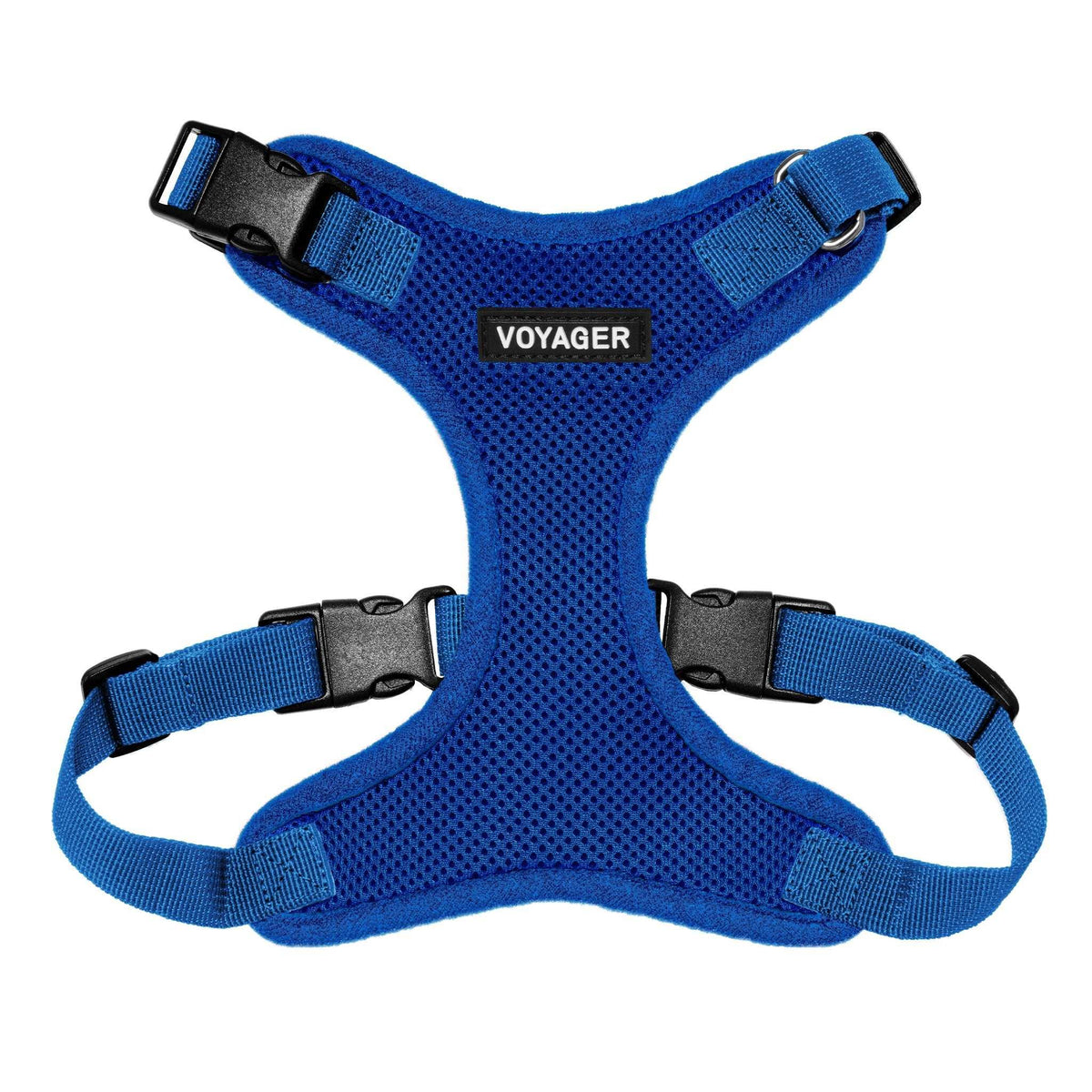
For those looking for a warmer option suited to cooler climates or short-haired breeds, a plush step-in dog harness provides a cushioned feel that "hugs" the dog’s body.
Best for: Cooler weather, short-haired breeds, or dogs that prefer a softer feel.
Getting the Fit Right: Measurement and Validation
A harness only keeps your dog safe if it fits correctly. Start by measuring the widest part of your dog's chest (the girth) while they are standing. Once the harness is on, follow this Fit Validation Checklist:
- The Two-Finger Rule: You should be able to slide two fingers between the harness straps and your dog’s body.
- Leg Clearance: Ensure the harness doesn't sit too close to the "armpits," as this will cause irritation during long walks.
- No Gapping: When the dog is standing naturally, the fabric should lay flat against the chest without significant bunching.
For more detailed visuals, visit our Size & Fit Guide.
How to Clean Your Step-In Dog Harness
To keep your harness in top shape, wipe down the hardware after walks in the rain to prevent grit from sticking. For a deeper clean, hand wash in warm water with mild soap. Avoid machine drying—air dry only. Additionally, inspect buckles and stitching weekly for signs of wear or fraying to ensure continued safety.
Frequently Asked Questions
Usage & Design
- What is a step-in dog harness? It is a design where the dog steps into two leg loops, and the harness is secured over the shoulders, avoiding the head entirely.
- Are step-in harnesses escape-proof? When fitted using the "two-finger rule," they are highly secure, but no harness is 100% escape-proof if the fit is too loose.
- Are these better for dogs that pull? Yes, because they redirect force to the chest rather than the neck to make managing a pulling dog safer.
Sizing & Fit
- How do I know what size to get? Measure the chest girth and refer to our size guide for the best match.
- What if my dog is between sizes? We generally suggest sizing up for comfort, provided the harness can still be adjusted to stay snug.
- Does weight matter more than chest size? No, the chest girth is the most accurate way to ensure a secure fit for most breeds.
Safety & Materials
- Is the mesh breathable? Yes, our air-mesh designs are specifically made to allow heat to escape during activity.
- Can I use this product for car travel? While secure for walking, we recommend using a dedicated car safety harness for vehicle travel.
- How long should the harness last? With regular cleaning and correct sizing, most harnesses last through years of daily use.
FAQs
How does a step-in harness differ from other harness types?
A step-in harness doesn’t go over your dog’s head. Dogs step into it, and it clips around the chest, which many find easier and less stressful.
Are step-in dog harnesses easier for anxious dogs to wear?
Often, yes. Dogs that resist overhead harnesses usually tolerate step-in designs better because there’s less handling around the face and head.
Can a step-in dog harnesses prevent choking and neck injuries?
Step-in harnesses distribute pressure across the chest instead of the neck, which helps reduce strain during pulling or sudden stops.
How do I ensure the step-in dog harnesses fits properly?
Measure your dog’s chest carefully and adjust the straps for a snug fit. The harness should stay in place without restricting movement.
How long does it take for a dog to get used to a step-in dog harnesses?
Some dogs adjust right away, while others need a few short, calm sessions. Comfort usually improves within a few walks.
Can step-in harnesses be used for training purposes?
Yes. While not a training tool on their own, step-in harnesses support leash training by improving comfort and control.