Why Reflective Dog Collars Start Making Sense at Night
Most people don’t think about visibility until something feels off. A car slows down later than expected, or a cyclist passes closer than they should. That’s usually when reflective dog collars stop feeling optional.
At night or early morning, dogs blend into shadows quickly, especially breeds with darker fur coats. Even dogs that stay close can disappear for a second when the lighting changes. Reflective dog collars help catch headlights and streetlight glare just enough to give others time to react. It’s not something you notice right away, but once you’ve walked with one, it’s difficult to ignore the difference.
Key Features of Reflective Dog Collars and Accessories
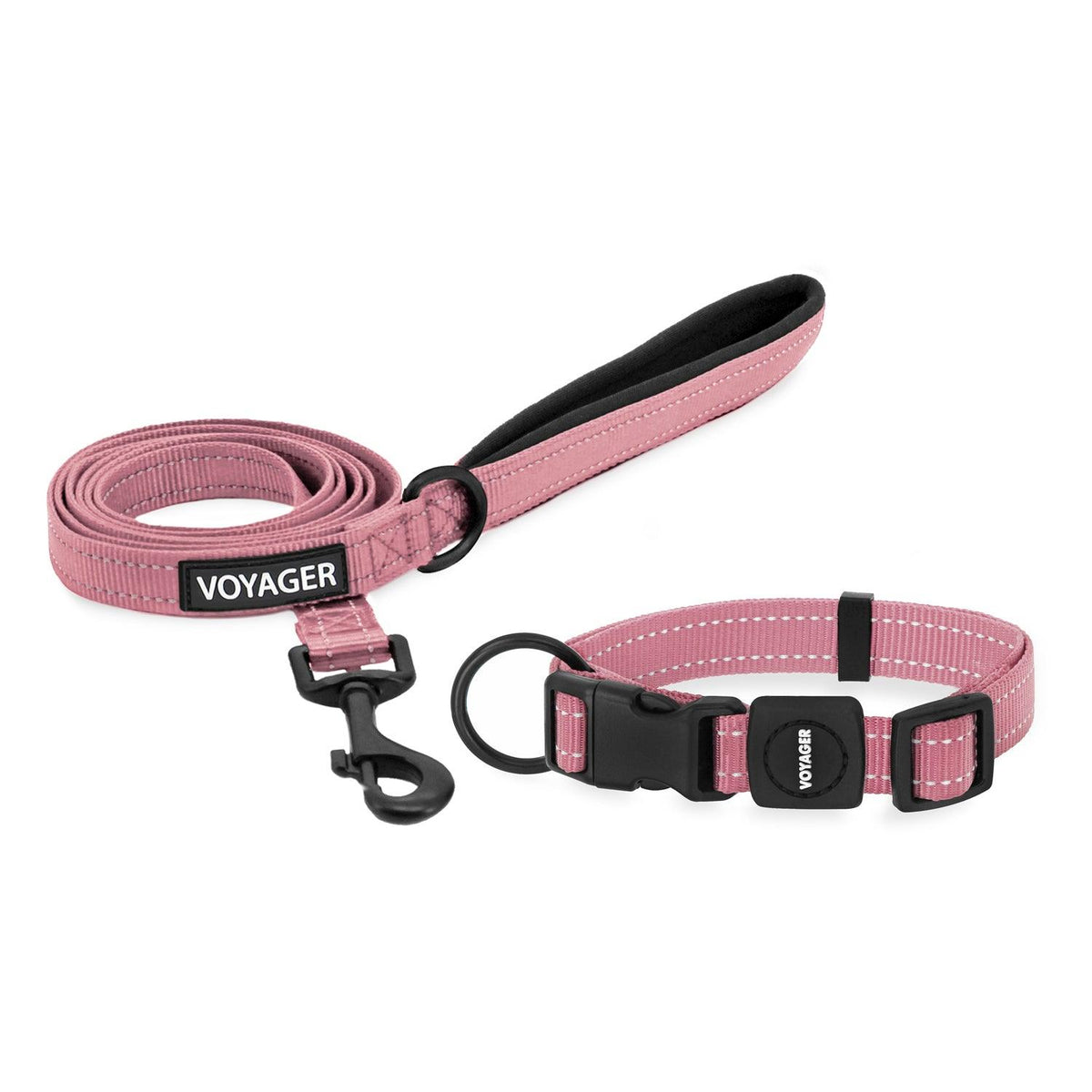
Reflective dog collars are designed to bounce light back rather than glow on their own. Most use reflective stitching, panels, or woven threads that catch headlights and street lamps from different angles. Comfort still matters, though. Collars need to stay flexible enough for everyday wear, especially if your dog keeps it on most of the day.
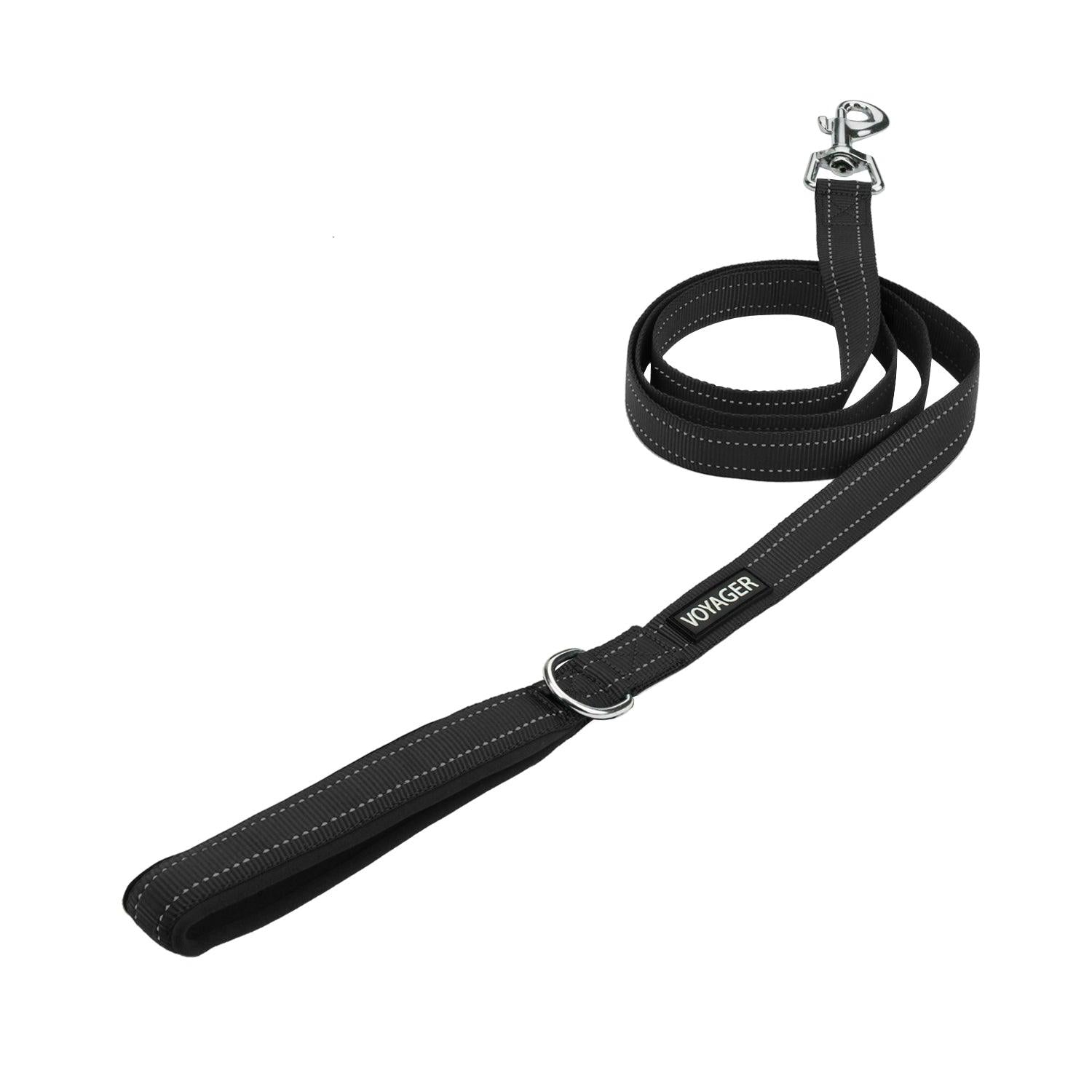
Matching reflective dog accessories, like leashes, add another point of visibility. This helps when dogs move ahead, lag behind, or change direction suddenly during walks.
Benefits of Using Reflective Puppy Collars and Leashes
Puppies are unpredictable. They stop, start, and veer off without much warning. Reflective puppy collars and leashes make those movements easier to track in low light, which usually helps owners relax a bit.
Many people notice they’re less tense during evening walks once their puppy is easier to spot. Over time, that added visibility makes walks feel calmer and more controlled, especially in unfamiliar areas where lighting isn’t great.
When Reflective Dog Collars End Up Being More Useful Than You Expected
Reflective dog collars are especially helpful for people who walk their dogs early in the morning or after sunset. They matter even more in neighborhoods with limited street lighting or near busy roads.
Dogs with darker coats benefit the most since they tend to blend into the background. Even for short nighttime bathroom breaks, reflective dog collars make it easier to keep track of your dog without constantly scanning the ground.
Types of Reflective Dog Collars and Matching Leashes
There are a few different approaches to reflectivity. Some collars use stitched reflective threads, while others rely on wider reflective panels. Matching reflective dog collar and leash sets are popular because the added visibility from the leash helps when your dog moves farther ahead.
Some owners prefer subtle designs that only show up when light hits them, while others choose brighter options that stand out immediately. Both work—it mostly comes down to personal comfort and walking habits.
How to Choose the Best Reflective Dog Collar and Leash Combo
Think about when you usually walk and how visible your surroundings are. Stronger reflective elements matter more in darker areas, while lighter accents may be enough in well-lit neighborhoods.
The collar should feel comfortable enough for regular use, not something you only put on at night. When paired with a reflective dog leash, the combo should feel balanced. If it feels stiff or awkward, it usually shows up in how your dog walks.
Sizing and Fit Guide for Reflective Dog Collars and Leashes
Fit matters just as much as reflectivity. A reflective dog collar should sit snugly without pressing into the neck. You should be able to slide two fingers underneath comfortably.
A collar can be reflective and still be wrong if it shifts or rides up when your dog moves, which is something owners usually notice after a few walks. For puppies or growing dogs, adjustable collars make it easier to maintain the right fit over time.
Care and Maintenance Tips for Reflective Dog Accessories
Reflective dog accessories don’t need complicated care. Wipe collars and leashes with a damp cloth after walks, especially if they’ve been exposed to dirt or rain. For deeper cleaning, hand-wash with mild soap and let everything air dry.
Most people don’t clean reflective gear until it starts feeling stiff or looking dull, and by then the reflectivity usually isn’t what it used to be. Avoid harsh chemicals or heat, which can shorten the life of reflective materials.
What Makes Voyager’s Reflective Dog Collars and Leashes Different
Voyager designs reflective dog collars and leashes for everyday use, not just occasional nighttime walks. The reflective elements are built in without making the gear stiff or bulky.
Materials are chosen to stay comfortable during longer walks while still improving visibility when light hits. For owners who walk in low light often, that balance tends to matter more than anything else.
FAQs
How do reflective dog collars improve my dog’s visibility?
Reflective collars bounce light from headlights, flashlights, or street lamps back toward the source. This makes dogs easier to see from a distance in dark or low-light conditions.
Are reflective dog collars safe for puppies?
Yes, as long as the collar fits properly and isn’t too heavy. Many owners use reflective puppy collars early to keep young dogs visible during training and short walks.
Can I pair reflective dog collars with reflective leashes?
Yes. Using both together increases visibility along your dog’s full movement path, which helps when dogs move ahead or change direction quickly.
What materials ensure the best reflectivity and durability?
Reflective stitching, woven reflective threads, and coated panels tend to hold up well. Nylon bases are common because they stay lightweight and flexible.
How do I properly fit a reflective collar on my dog?
Measure your dog’s neck and adjust the collar so it’s snug but not tight. You should be able to fit two fingers comfortably between the collar and the neck.
How do I clean and maintain a reflective dog collar and leash?
Hand wash with mild soap and water, then air dry. Avoid bleach or high heat, which can reduce reflectivity over time.
Can reflective accessories help prevent accidents during nighttime walks?
They can’t prevent accidents entirely, but better visibility gives drivers and cyclists more time to react, which lowers risk during low-light walks.