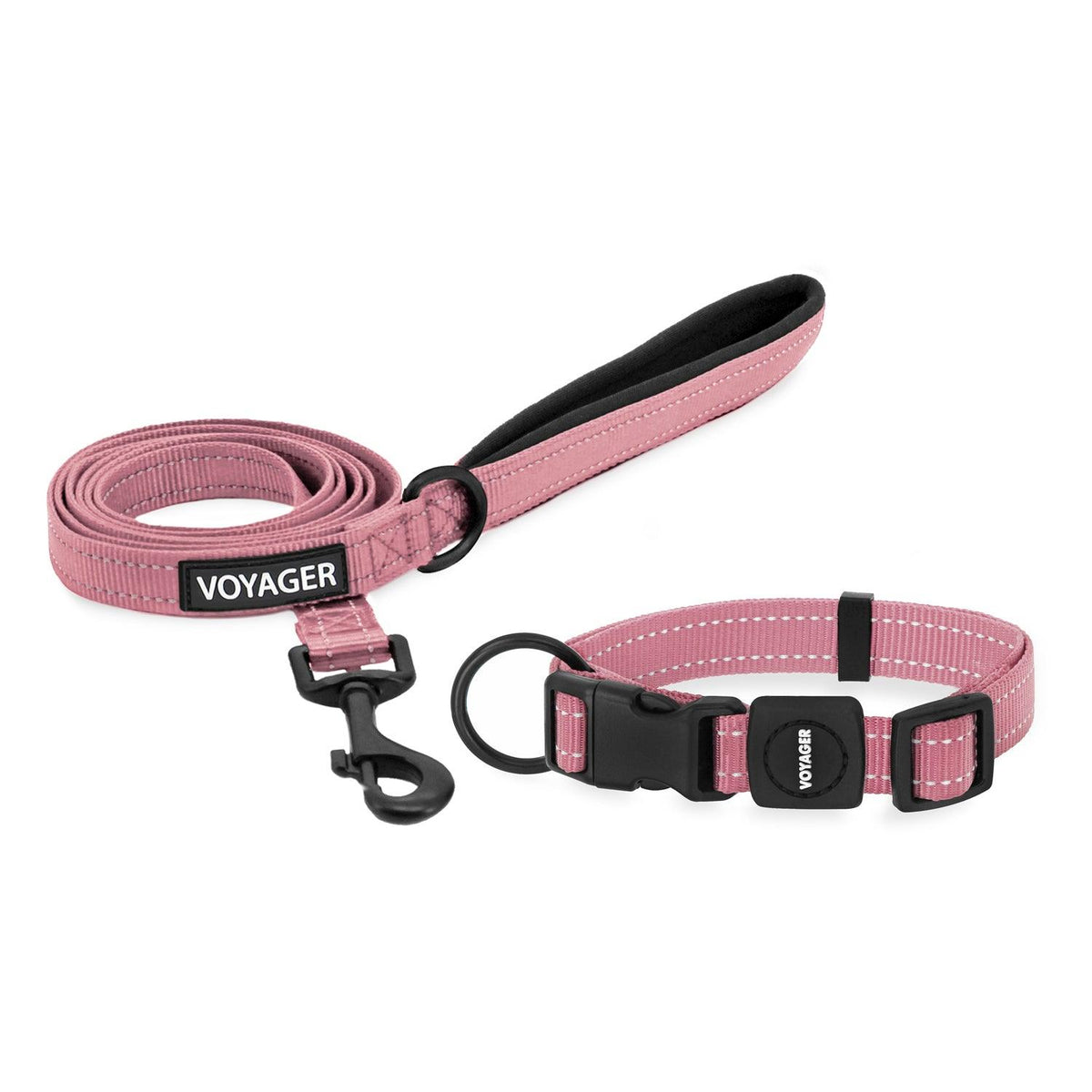
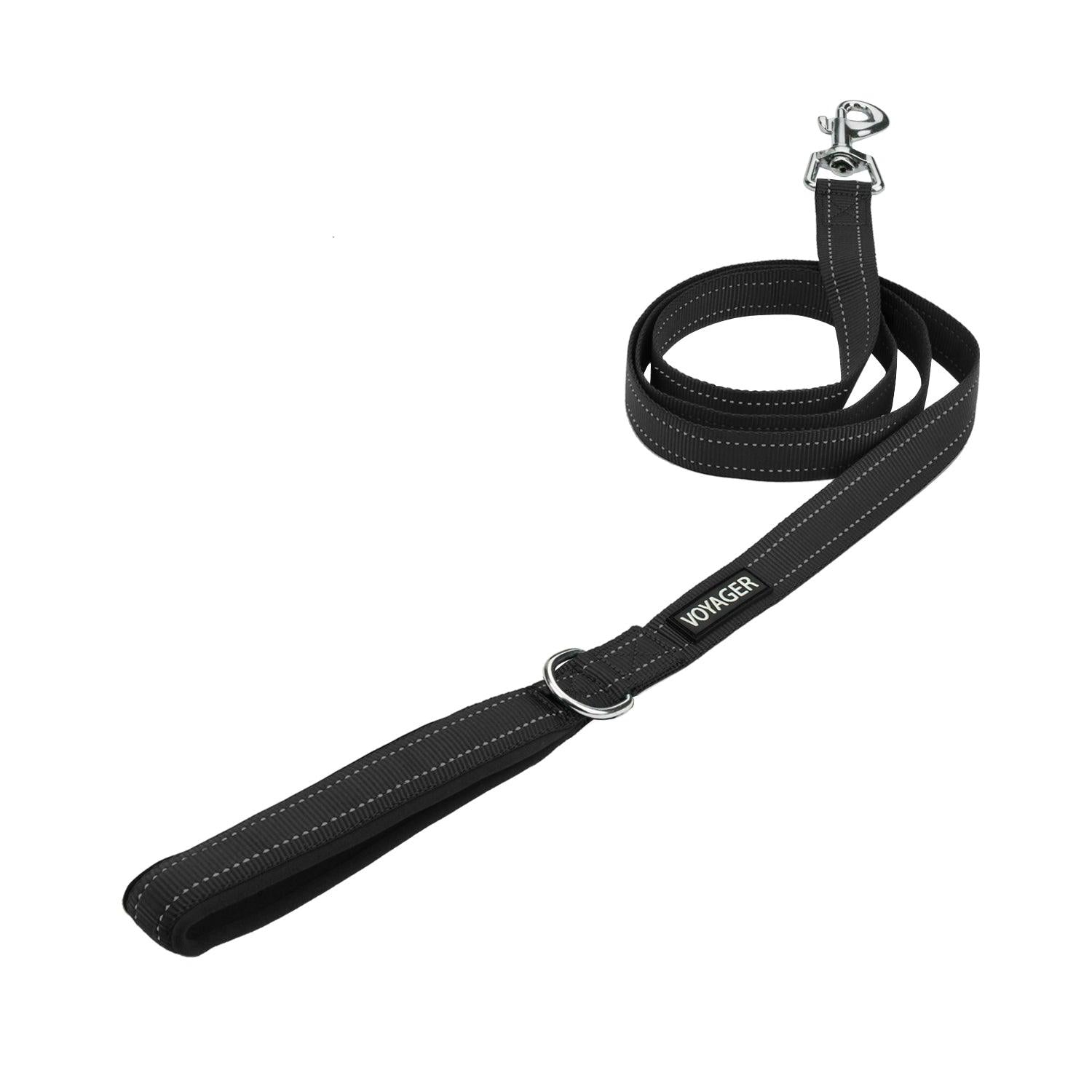
Why Dog Collars for Large Dogs Need Strength and Comfort
Large dogs put different demands on a collar. It’s not just about holding tags or clipping a leash on. One sudden pull or shift in direction is usually enough to show whether a collar is actually built for size and strength. At the same time, a collar that’s too rigid or narrow can get uncomfortable fast, especially if it’s worn most of the day.
Key Features of XL and Large Breed Dog Collars
A good XL dog collar has to walk a line between strength and comfort. Wide bands help spread pressure out, which matters more once dogs get heavier, but the material still needs some give. If it’s too stiff, you feel it after a few hours.
Hardware tends to be the first thing owners notice failing. Buckles and D-rings need to feel solid, not just look the part. When they’re too light or decorative, it usually shows up once the dog starts moving with purpose.
Safety and Practical Benefits of Dog Collars for Large Dogs
Collars don’t usually draw much attention until something goes wrong. Most of the time, they’re just there — holding tags, clipping on when needed, sitting in place through daily movement. When a large dog collar fits properly, it tends to disappear, which is usually the goal.
Poor fit shows up slowly. Rubbing, shifting, or pressure spots don’t always look obvious at first, but over time, they become hard to ignore. A well-made large breed dog collar reduces those issues simply by staying where it should.
Which Dogs Benefit Most from Large Breed Collars
Large breed dog collars tend to work best for dogs with thicker necks and heavier frames. Dogs with strong builds often outgrow standard collars quickly, even if the length technically fits.
They’re also a better option for dogs that wear collars most of the day. When a collar stays on longer than just walk time, comfort and stability matter more than how it looks on the shelf.
Types of Dog Collars That Work Well for Large Dogs
Flat collars are the most common choice for everyday wear and ID tags. Wider collars usually feel more stable on larger necks and help distribute pressure better during movement.
Some owners look for padded collars for added comfort, while others prefer reflective details for visibility. The right style usually depends on how the dog collar for large dogs is used day to day, not just the dog’s size.
How People Usually Pick the Right Large Dog Collar
Most owners start with measurements, then realize structure matters just as much. A large dog collar can technically fit and still feel wrong after a few hours of wear.
Watching how the dog collar for a large dog sits during regular movement tells you a lot. If it stays in place without twisting or needing constant adjustment, that’s usually a good sign. If it shifts or rides up, it rarely fixes itself over time.
Measuring Tips to Get the Right XL Dog Collar Fit
Measure around the thickest part of your dog’s neck, usually near the base. The large dog collar should feel snug without pressing in. Two fingers should fit comfortably between the collar and the neck.
A collar can look fine at first and still feel off after regular wear. Many owners notice fit issues only after a few days, which is normal and usually easy to correct early on.
Maintenance and Care for XL Dog Collars
Large dog collars tend to get dirty gradually, then all at once. Wiping them down occasionally helps keep the material from stiffening or holding odor.
For deeper cleaning, hand washing with mild soap works well. Let the collar air dry completely before putting it back on. Most owners don’t think about cleaning until the collar starts feeling rough or smelling off.
What Sets Voyager’s Large Dog Collars Apart
Voyager’s large dog collar are designed with everyday use in mind. Materials are chosen to stay strong without feeling rigid, even after regular wear.
The focus isn’t on flashy extras. It’s on collars that hold their shape, sit comfortably, and don’t need constant replacing. For many owners, that reliability ends up being what matters most over time.
FAQs
How do I find the right size collar for my large dog?
Measure around the thickest part of your dog’s neck and allow room for two fingers to fit comfortably. If your dog falls between sizes, going slightly larger usually feels better over long-term wear.
What makes XL dog collars better for big breeds?
They’re built wider and stronger. That extra structure helps distribute pressure more evenly and prevents stretching or hardware fatigue that can happen quickly with standard collars on larger dogs.
Are wide collars safer for large dogs?
Often, yes. Wider collars spread pressure out instead of concentrating it in one spot. That can feel easier on the neck, especially for dogs that pull occasionally or move suddenly.
How often should I replace the large dog collar?
There isn’t a set schedule. Many owners replace collars once they notice stiffness, fraying, or hardware that doesn’t feel secure anymore. Regular checks matter more than timing.
What materials tend to last longest for large dog collars?
Reinforced synthetics like heavy-duty nylon usually hold up best. They handle moisture, pulling, and daily wear without breaking down too quickly.
Is it okay for my large dog to wear a collar all day and night?
Most dogs can, but it’s not always ideal. Removing the collar during rest periods gives the neck a break and makes it easier to catch irritation early.